

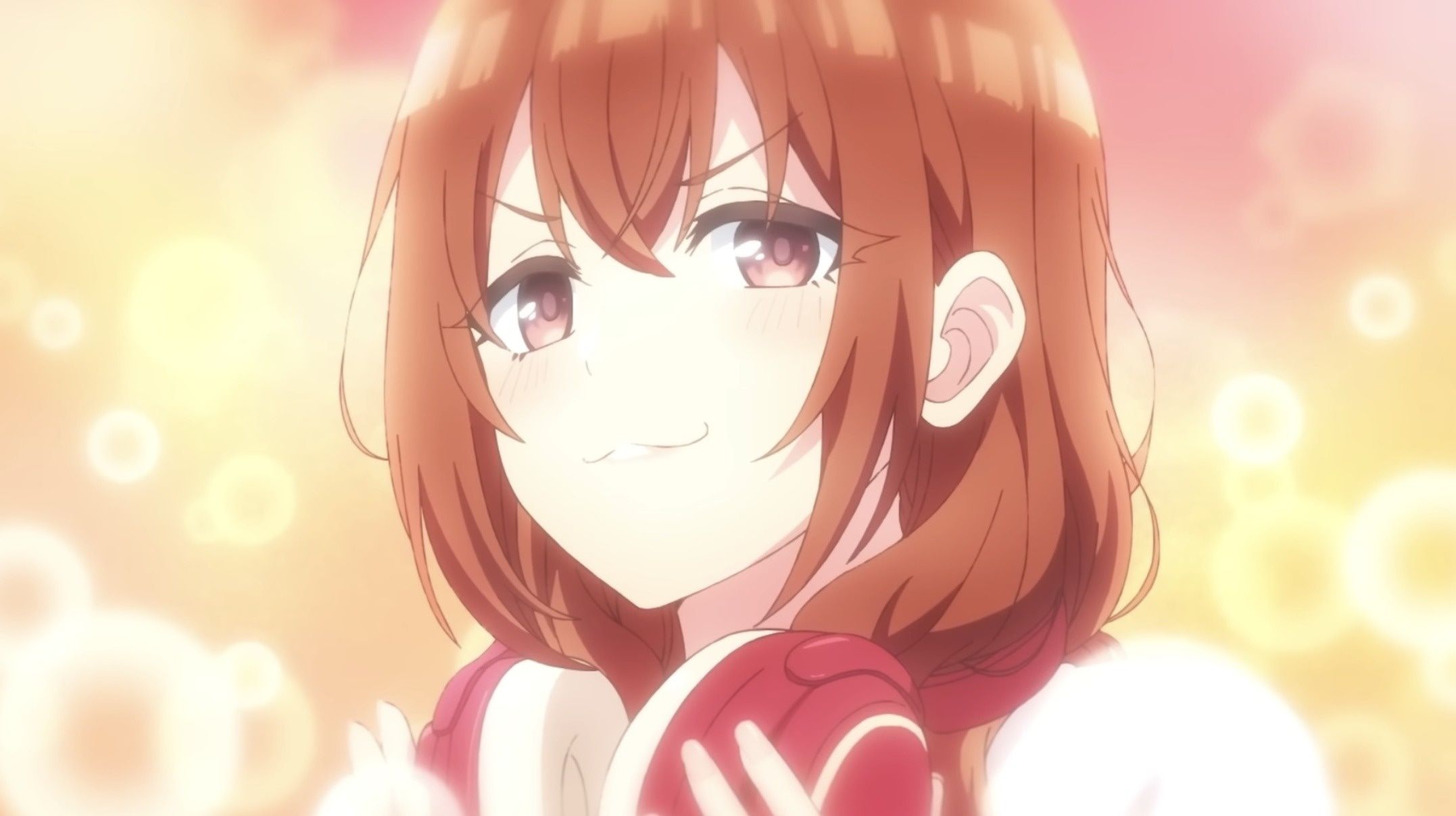
My Friend's Little Sister Has It in for Me! Anime Sets October Premiere with Star-Studded Cast

📷 Image source: otakuusamagazine.com
Premiere Date Announcement
Fall 2024 anime season gains another highly anticipated adaptation
According to otakuusamagazine.com, the anime adaptation of the popular light novel series 'My Friend's Little Sister Has It in for Me!' has officially set its premiere date for October 2025. The announcement came through the anime's official website and social media channels, generating immediate buzz among fans who have been awaiting the series' animated debut since it was first announced.
The series, which originally began as a light novel by Mikawa Ghost with illustrations by Tomari, follows the complicated relationship between protagonist Ooboshi Akiteru and his friend's younger sister, Akiho. The romantic comedy has developed a dedicated following since the first novel's publication, making this anime adaptation one of the more anticipated releases of the upcoming season.
Industry standards suggest that October premieres typically aim to capitalize on both the fall viewing season and the holiday marketing period that follows. The timing positions the series to build momentum through the end of the year, potentially leading to increased light novel sales and merchandise opportunities during the crucial holiday shopping season.
Production Team and Studio Details
Doga Kobo brings the romantic comedy to life with experienced staff
The report states that animation studio Doga Kobo is handling production, with Shinsuke Yanagi serving as director. Yanagi's previous directorial work includes 'Gamers!' and 'If My Favorite Pop Idol Made It to the Budokan, I Would Die,' both romantic comedies that demonstrate his experience with the genre. This suggests the studio has chosen a director well-versed in balancing comedy timing with character-driven storytelling.
Series composition is being handled by Deko Akao, whose credits include 'Noragami' and 'The Case Study of Vanitas.' Akao's experience with adapting light novels to anime format makes her particularly suited to condense the source material's narrative into a cohesive television series. Character design is led by Kazuaki Morita, who previously worked on 'New Game!' and 'Anima Yell!' - both series known for their expressive character animations and appealing visual styles.
Typically, studios like Doga Kobo maintain specific artistic identities, often specializing in slice-of-life and comedy genres with high-quality animation standards. Their involvement suggests the production will prioritize character expressions and comedic timing, both crucial elements for a series relying on interpersonal dynamics and romantic tension.
Voice Cast and Character Profiles
Seasoned seiyuu bring the novel's characters to animated life
According to otakuusamagazine.com, the main cast features some of the industry's most recognizable voice talent. Kana Hanazawa, known for her roles in 'Monogatari Series' and 'Psycho-Pass,' voices Mashiro, while Rie Takahashi, famous for 'Re:ZERO' and 'KonoSuba,' portrays Iroha. The casting of these established seiyuu indicates the production's commitment to quality and market appeal.
Yoshitsugu Matsuoka, whose credits include 'Sword Art Online' and 'Food Wars!,' plays protagonist Ooboshi Akiteru. Matsuoka's experience with male leads in romantic comedies and harem series makes him a natural fit for the role. Sora Amamiya, known for 'The Rising of the Shield Hero' and 'Kaguya-sama: Love Is War,' completes the main cast as Akiho.
In practice, voice casting for light novel adaptations often considers both acting ability and marketability. The selection of such high-profile talent suggests the production committee anticipates significant commercial success and potentially multiple seasons. These seiyuu bring established fan bases that will likely translate to immediate viewer interest and social media engagement.
Source Material and Adaptation Challenges
Translating a popular light novel series to television format
The 'My Friend's Little Sister Has It in for Me!' light novel series began publication in 2019 under the GA Bunko imprint, which is part of SB Creative. As of the anime announcement, the series has released multiple volumes, providing substantial source material for adaptation. Light novel adaptations typically cover 2-3 volumes per 12-episode season, though pacing can vary based on the complexity of the source material.
The series belongs to the romantic comedy genre with harem elements, a category that has seen numerous successful adaptations in recent years. These adaptations often face the challenge of balancing comedy with character development while maintaining the distinctive voice of the original author. The involvement of the original creator, Mikawa Ghost, in an oversight capacity would be standard practice, though the report doesn't specify their level of involvement.
Historical background shows that GA Bunko titles have had mixed success in anime adaptation. While some like 'Gamers!' found dedicated audiences, others struggled to break through in a crowded market. The success often depends on the adaptation's ability to capture the source material's tone while making necessary adjustments for the visual medium.
Industry Context and Market Positioning
Where the series fits in the current anime landscape
The romantic comedy harem genre remains consistently popular in anime, with successful recent examples including 'Kaguya-sama: Love Is War' and 'The Quintessential Quintuplets.' These series demonstrate that well-executed adaptations can achieve both critical acclaim and commercial success. The market for such content includes both domestic Japanese viewers and international audiences through streaming platforms.
According to industry analysis, light novel adaptations typically aim to boost source material sales by 200-300% following anime premieres. This creates a symbiotic relationship where the anime serves as advertising for the novels, while the novels provide ongoing content for potential future seasons. Merchandising opportunities including figures, Blu-ray releases, and mobile games often provide additional revenue streams.
The October 2025 premiere date places the series in competition with other fall season anime, which typically includes 30-40 new series across various genres. Positioning within the season's schedule can significantly impact viewership numbers, with prime time slots on major networks like Tokyo MX, BS11, and AT-X commanding higher advertising rates and potentially larger audiences.
Technical Production Considerations
The animation process behind bringing light novels to screen
Animation production typically follows a rigorous schedule that begins 12-18 months before airing. For a series premiering in October 2025, pre-production likely began in early 2024, with storyboarding, character design finalization, and voice recording occurring throughout the year. The actual animation process involves multiple studios and freelancers, with quality control maintained through a hierarchy of key animators, animation directors, and the series director.
Doga Kobo's production style typically emphasizes character acting and expressive animation, which is particularly important for a series relying on comedic timing and romantic tension. Their previous works demonstrate consistent quality in facial expressions and body language, both crucial for conveying the subtle nuances of romantic comedy interactions.
The shift from light novel to anime requires adapting internal monologues and narrative descriptions into visual storytelling. This often involves creating original scenes or modifying existing ones to show rather than tell character emotions and relationships. The composition staff must balance faithfulness to the source material with the practical requirements of television animation.
Global Distribution and Streaming Implications
How international audiences will access the series
While the report doesn't specify international distribution plans, industry standards suggest the series will likely be licensed by major streaming platforms for simultaneous or near-simultaneous release in key markets. Platforms like Crunchyroll, Funimation, and Netflix have established patterns of acquiring romantic comedy series, particularly those with strong source material popularity and recognizable voice talent.
Simulcasting has become the industry norm for anime distribution, with episodes typically available with subtitles within hours of their Japanese broadcast. This global availability has significantly increased the international impact of anime series, creating worldwide fan communities and merchandise markets that extend far beyond Japan.
The selection of voice actors with international recognition, particularly Kana Hanazawa and Rie Takahashi, suggests the production committee anticipates strong overseas interest. These seiyuu have substantial international fan bases that often translate to immediate engagement on social media platforms and fan communities, driving viewership and discussion across multiple regions.
Cultural Context and Genre Expectations
Understanding the tropes and conventions of romantic comedy anime
The 'little sister' trope has a long history in Japanese media, often representing idealized or complicated familial relationships that extend beyond blood relations. In romantic comedies, the 'friend's little sister' archetype typically involves a character who is both familiar yet inaccessible, creating natural tension and comedic opportunities. This trope resonates with audiences through its blend of familiarity and wish fulfillment.
Romantic comedy anime typically balance humor with emotional depth, using exaggerated situations to explore genuine relationship dynamics. The genre's success often depends on chemistry between characters and the audience's investment in their relationships. Well-executed series can transcend cultural boundaries through universal themes of love, friendship, and personal growth.
The report states that the series involves the protagonist dealing with a little sister who 'has it in for him,' suggesting a tsundere or similarly complex character archetype. These character types have proven popular internationally, with their mixture of apparent hostility and hidden affection creating engaging character dynamics that drive both comedy and emotional moments.
Economic Impact and Future Prospects
What success could mean for the franchise and involved parties
Successful anime adaptations can significantly impact multiple revenue streams. Light novel sales typically see immediate increases, with popular adaptations sometimes boosting sales by 500% or more. Blu-ray and DVD releases, while declining in overall importance, still contribute significantly to revenue, particularly through limited editions with exclusive merchandise.
Merchandising opportunities include figures, keychains, apparel, and collaboration campaigns with other brands. Mobile games and visual novel adaptations have also become common for successful franchises, providing ongoing revenue beyond the initial anime broadcast. The voice actors involved often see increased demand for concert appearances, radio programs, and other media opportunities.
If the series performs well, additional seasons would be likely, given the ongoing nature of the source material. The light novel industry typically views anime adaptations as long-term investments in franchise growth rather than standalone projects. A successful first season can establish a franchise that continues for years through multiple media formats and ongoing story development.
Comparative Analysis with Similar Series
How this adaptation fits within the romantic comedy landscape
The series shares DNA with other romantic comedies involving complicated family or quasi-family relationships, such as 'Oreimo' (My Little Sister Can't Be This Cute) and 'Eromanga Sensei.' However, the dynamic of dealing with a friend's sister rather than a blood relative provides different narrative opportunities and avoids some of the more controversial elements that can accompany actual sibling relationships in media.
Compared to other Doga Kobo productions, the series appears to align with their strengths in character-driven comedy and expressive animation. Their work on 'Gamers!' demonstrated ability with ensemble casts and romantic misunderstandings, while 'Anima Yell!' showed proficiency with energetic character interactions. This suggests the studio is well-positioned to handle the material effectively.
The voice cast composition mirrors successful patterns from other romantic comedies, combining established veterans with popular current talent. This balance provides both reliability and contemporary appeal, potentially attracting multiple generations of anime viewers. The specific combination of Kana Hanazawa and Rie Takahashi in particular has proven successful in previous collaborations, suggesting strong chemistry that will benefit the series.
Production Timeline and Development Process
The journey from light novel to animated series
According to industry standards, anime adaptations typically begin development when a light novel series reaches a certain level of popularity or volume count. The decision to adapt is made by a production committee comprising the publisher, animation studio, and other investors who share costs and potential profits. This committee structure spreads financial risk while ensuring multiple parties have incentive to promote the series.
The development process involves multiple stages including concept approval, staff selection, series composition planning, and production scheduling. For a series premiering in October 2025, these decisions likely occurred throughout 2024, with full production accelerating in the months leading up to the announcement. The actual animation process involves hundreds of artists working across multiple episodes simultaneously, with careful coordination to maintain consistency and quality.
The October premiere date suggests the production is on a standard television anime schedule, with episodes completed shortly before airing. This tight timeline requires efficient production pipelines and experienced staff capable of working under pressure while maintaining creative vision and technical quality.
Audience Expectations and Potential Reception
What viewers might anticipate from the adaptation
Fans of the light novel series will likely have specific expectations regarding character portrayal, story pacing, and adaptation choices. Faithfulness to source material is often a primary concern for existing fans, though successful adaptations sometimes make changes that improve the story for the visual medium. The involvement of experienced staff suggests the adaptation will balance respect for the original with necessary adjustments for television.
New viewers unfamiliar with the source material will approach the series based on genre expectations, promotional materials, and word-of-mouth. Strong first episodes are crucial for building audience retention, particularly in a crowded season where viewers have numerous options. The romantic comedy genre typically relies on strong character introductions and immediate establishment of central relationships to hook viewers.
The combination of proven voice talent, experienced staff, and popular source material creates reasonable expectations for quality. However, the competitive nature of the anime industry means success is never guaranteed, and reception will ultimately depend on execution quality, timing, and audience response to the specific interpretation of the material.
#MyFriendsLittleSister #Anime #RomCom #Seiyuu #DogaKobo #LightNovel


