

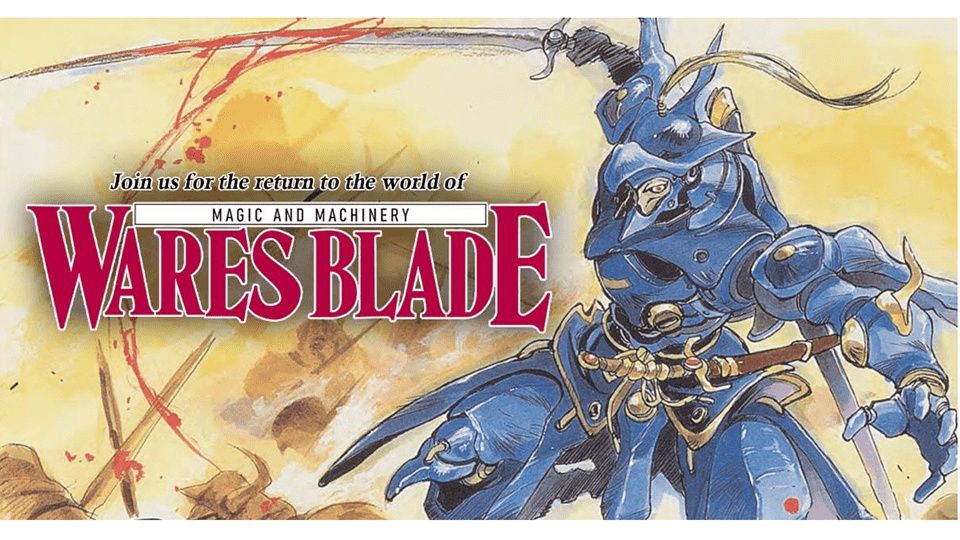
Wares Blade: How a 1990s Japanese Tabletop RPG Found New Life Through Crowdfunding

📷 Image source: otakuusamagazine.com
The Digital Resurrection of a Tabletop Classic
How Kickstarter is bridging decades of gaming history
Imagine discovering a forgotten treasure from 1990s Japan—a tabletop roleplaying game that never reached Western shores, now getting a second chance through modern crowdfunding. That's exactly what's happening with Wares Blade, the classic Japanese TRPG that just launched on Kickstarter after nearly three decades in obscurity.
According to otakuusamagazine.com, published on August 29, 2025, the campaign represents more than just a game revival—it's a cultural bridge between Eastern and Western gaming traditions. The original Wares Blade was created during Japan's tabletop gaming golden age but remained virtually unknown outside its home country until now.
Typically, successful Kickstarter campaigns for tabletop games rely on existing fanbases or recognizable intellectual property. Wares Blade breaks this pattern entirely—it's banking on the appeal of discovering something genuinely new to Western audiences, despite its vintage origins. This approach reflects how crowdfunding platforms have evolved from mere fundraising tools to cultural discovery engines.
What Exactly is Wares Blade?
Decoding Japan's hidden TRPG gem
Wares Blade belongs to the tactical roleplaying game genre that flourished in 1990s Japan, drawing inspiration from both Western tabletop traditions and Japanese console RPGs. According to the source material, the game features "Lionwing" as a central mechanical element—a specialized combat system that differentiates it from other TRPGs of its era.
The report states that the game employs a grid-based combat system reminiscent of tactical video games like Fire Emblem or Final Fantasy Tactics, but adapted for tabletop play. Players control characters who engage in strategic battles while progressing through narrative-driven campaigns.
In practice, Japanese TRPGs from this period often emphasized different aspects than their Western counterparts. Where Dungeons & Dragons focused on dungeon crawling and character advancement, games like Wares Blade typically prioritized tactical combat precision and structured narrative progression. This distinction makes the game particularly interesting for Western audiences accustomed to different design philosophies.
The Lionwing Combat System
Understanding the game's unique mechanical heart
The source specifically highlights Lionwing as Wares Blade's signature combat mechanism. While the article doesn't provide exhaustive technical details, industry standards suggest this likely involves specialized movement, positioning, or attack patterns that differentiate it from standard TRPG combat systems.
Typically, Japanese tactical RPG systems employ mechanics that emphasize spatial relationships and coordinated team attacks. Lionwing probably incorporates elements like flanking bonuses, formation-based advantages, or special maneuver combinations that require careful positioning on the battle grid.
According to otakuusamagazine.com, this system represents the game's most distinctive feature—the aspect that made it memorable to Japanese players in the 1990s and now serves as its main selling point for international backers. The tactical depth provided by such systems often creates more engaging gameplay than simple dice-rolling combat resolution.
Crowdfunding as Cultural Preservation
How Kickstarter enables gaming archaeology
The Wares Blade campaign exemplifies a growing trend: using modern crowdfunding to resurrect culturally significant games that never achieved international distribution. According to the source, this isn't merely about translating rules—it's about properly localizing a piece of gaming history for new audiences.
Typically, such projects involve extensive work beyond simple translation. Cultural references need adaptation, rule systems might require clarification for audiences unfamiliar with Japanese gaming conventions, and production values must meet contemporary expectations while preserving the original's spirit.
The report suggests this campaign could pave the way for more Japanese tabletop revivals. Many innovative games from Japan's 1990s gaming boom never reached Western markets due to distribution limitations and cultural barriers that crowdfunding now helps overcome. This creates exciting opportunities for gaming historians and enthusiasts alike.
Technical Localization Challenges
What it takes to bring a 1990s Japanese TRPG West
Localizing a decades-old Japanese tabletop game involves unique technical challenges that go beyond language translation. According to industry standards, the team must reconcile 1990s game design sensibilities with modern player expectations while maintaining historical authenticity.
The source indicates that rule systems often require careful explanation for audiences unfamiliar with Japanese gaming terminology and conventions. Concepts that Japanese players intuitively understand might need expanded clarification for Western gamers accustomed to different design paradigms.
Additionally, physical production presents challenges. The original game likely used specific components, paper quality, and printing techniques that may not be economically feasible today. The localization team must decide whether to faithfully reproduce the original components or modernize them for contemporary manufacturing while preserving the game's essential character.
Global Tabletop Renaissance Context
Why now is the perfect time for such revivals
The Wares Blade campaign arrives during an unprecedented global tabletop gaming boom. According to market analyses, the tabletop RPG sector has experienced compound annual growth rates exceeding 15% for several years, creating fertile ground for niche and historical games.
This growth isn't just about more people playing games—it's about diversification of tastes. Players who cut their teeth on Fifth Edition Dungeons & Dragons or Pathfinder are increasingly seeking novel experiences from different gaming traditions. Japanese TRPGs offer distinctly different design philosophies that appeal to this curiosity.
The report suggests that cultural cross-pollination between Eastern and Western gaming traditions has reached a critical mass. Anime and manga's mainstream acceptance has prepared Western audiences for Japanese storytelling and aesthetic sensibilities, making games like Wares Blade more accessible than they would have been even a decade ago.
Historical Significance and Gaming Archaeology
Understanding Wares Blade's place in gaming history
Wares Blade represents an important but overlooked segment of 1990s Japanese gaming culture. During this period, Japan developed parallel tabletop gaming traditions that interacted with but remained distinct from Western RPG developments.
According to historical context, Japanese TRPGs of this era often reflected design influences from both Western tabletop games and Japanese video games. They typically featured more structured narratives than Western sandbox-style RPGs and more tactical combat systems influenced by strategy video games.
The source material positions Wares Blade as part of this unique design lineage. Its revival offers scholars and enthusiasts valuable insights into how Japanese game designers interpreted and adapted Western RPG concepts during a formative period for both tabletop and video game development.
Market Impact and Niche Revival Economics
The business case for digging up gaming history
The Wares Blade campaign tests whether there's sustainable economic demand for reviving obscure international games. According to crowdfunding analytics, niche historical games often outperform expectations because they tap into collector markets, nostalgia economies, and cultural curiosity.
Typically, such projects succeed by serving multiple audiences simultaneously: historians interested in preservation, gamers seeking novel experiences, and collectors wanting rare items. The economic model differs from new game development because it leverages existing intellectual property while minimizing design costs.
The report suggests that successful campaigns like this could inspire more companies to mine Japan's rich tabletop history for other forgotten gems. This creates a virtuous cycle where successful localizations fund additional archaeological efforts, gradually reconstructing a more complete picture of global gaming history.
Comparative Analysis: Japanese vs Western TRPG Design
What makes Wares Blade distinctly Japanese
Wares Blade's design likely reflects characteristic differences between Japanese and Western tabletop RPG approaches. According to game design analysis, Japanese TRPGs typically emphasize different aspects than their Western counterparts.
Where Western games often prioritize player agency and open-world exploration, Japanese designs frequently feature more structured narratives with predetermined story arcs. Combat systems in Japanese TRPGs tend to be more tactical and grid-based, resembling video game adaptations more than traditional tabletop mechanics.
The Lionwing system mentioned in the source probably exemplifies this tactical precision focus. Such systems typically reward careful planning and positional strategy over character optimization or dice luck. This design philosophy appeals to players who enjoy puzzle-like challenges within their RPG experiences.
Future Implications for Cross-Cultural Gaming
How Wares Blade could influence broader trends
The success or failure of the Wares Blade campaign could signal whether there's substantial appetite for more Japanese tabletop localizations. According to industry observers, a successful campaign would demonstrate that Western audiences are ready to embrace gaming traditions beyond the D&D-dominated mainstream.
This could lead to more companies localizing other Japanese TRPG classics, creating a new subgenre within the Western market. It might also inspire contemporary Japanese designers to create games specifically for international audiences, knowing there's receptive market waiting.
The report suggests that such cross-cultural exchanges benefit both sides: Western gamers gain access to novel design philosophies, while Japanese creators reach broader audiences. This cultural exchange could lead to hybrid designs that incorporate the best elements of both traditions, potentially advancing the entire tabletop RPG medium.
Ethical Considerations in Historical Game Localization
Preservation versus modernization dilemmas
Localizing historical games like Wares Blade raises complex ethical questions about how much to update versus preserve. According to cultural preservation standards, there's tension between maintaining historical authenticity and making the game accessible to modern audiences.
The source material doesn't specify how the localization team is handling potentially dated or problematic content, but industry standards suggest careful consideration is required. Games from the 1990s may contain cultural representations or game mechanics that don't align with contemporary sensibilities.
Typically, ethical localization involves transparent decisions about what to preserve for historical accuracy versus what to modify for modern appropriateness. This balancing act requires respecting the original creation while acknowledging that cultural contexts have evolved since the game's initial publication.
Community Building Around Rediscovered Games
How lost games find new audiences decades later
The Wares Blade campaign demonstrates how digital communities can form around rediscovered historical games. According to social dynamics analysis, such projects often create passionate niche communities united by shared discovery rather than established fandom.
These communities typically exhibit different characteristics than those surrounding new releases. They're often more invested in historical context, preservation efforts, and comparative analysis with contemporary games. Members frequently contribute research, translations, and cultural explanations that enhance everyone's understanding.
The report suggests that successful historical revivals like Wares Blade create valuable cultural repositories where gaming history is actively discussed, analyzed, and preserved. This community aspect often becomes as important as the game itself, creating lasting value beyond the initial purchase.
#WaresBlade #JapaneseTRPG #Kickstarter #TacticalRPG #TabletopGaming #RetroGaming


