

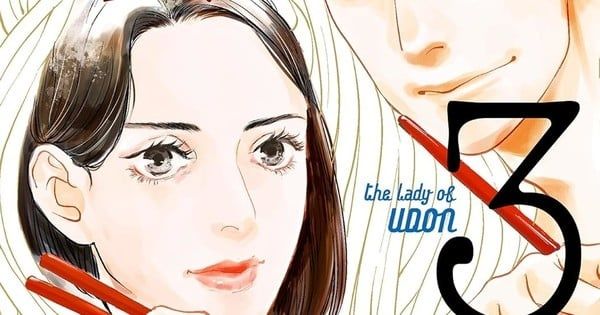
Est Em's Culinary Masterpiece Udon no Hito Concludes After 15-Year Journey

📷 Image source: animenewsnetwork.com
The Final Chapter
A Bittersweet Farewell to Beloved Characters
Manga artist est em has concluded her acclaimed culinary series Udon no Hito, marking the end of a 15-year journey that captivated readers with its unique blend of food culture and human drama. The final chapter appeared in the October issue of Feel Young magazine, published by Shodensha on September 8, 2025, according to animenewsnetwork.com.
The series followed the story of Naoe, a former motorcycle gang member who finds redemption and purpose through mastering the art of udon noodle making. The manga's conclusion wraps up Naoe's transformation from a troubled youth to a respected artisan, though specific details about the final story developments remain unclear from available sources.
Est Em's Artistic Legacy
From BL Manga to Culinary Storytelling
Est Em, known professionally by her pen name, began her career creating boys' love (BL) manga before venturing into more diverse storytelling with Udon no Hato. Her distinctive artistic style, characterized by detailed linework and expressive character designs, earned her recognition within the manga industry. The artist maintained a consistent publication schedule throughout the series' run, demonstrating remarkable dedication to her craft.
Prior to Udon no Hito, est em gained attention for works like Seduce Me After the Show and Red Blinds the Foolish, which showcased her ability to blend emotional depth with compelling narratives. Her transition to food-themed manga represented a significant evolution in her storytelling approach, expanding her audience beyond traditional BL readership.
The Udon no Hito Phenomenon
More Than Just a Cooking Manga
Udon no Hito distinguished itself within the food manga genre by focusing specifically on udon noodles, a staple of Japanese cuisine. The series explored the technical aspects of noodle making while weaving in themes of personal growth, tradition, and community. Unlike many culinary manga that feature multiple dishes, est em's work maintained a specialized focus throughout its run.
The manga's appeal extended beyond food enthusiasts to readers interested in character-driven stories about second chances and craftsmanship. Naoe's journey from delinquency to mastery resonated with audiences seeking narratives about personal transformation and the redemptive power of dedication to a craft.
Publication History and Format
A Decade and a Half in Feel Young
Udon no Hito serialized in Feel Young magazine, a monthly josei (women's) manga publication known for hosting diverse genres targeting adult female readers. The magazine, published by Shodensha, provided a platform for est em's work to reach its intended audience over 15 years. The consistent monthly publication allowed for gradual character development and detailed exploration of udon-making techniques.
The series spanned multiple volumes, though the exact number remains unspecified in available sources. Each volume likely collected several chapters, allowing readers to follow Naoe's progression from novice to master noodle maker. The extended serialization period enabled est em to develop secondary characters and subplots that enriched the main narrative.
Cultural Impact and Reception
Bringing Udon Culture to International Audiences
Udon no Hito contributed to the global appreciation of Japanese food culture, particularly the artisanal aspects of noodle making. The manga educated international readers about the craftsmanship involved in creating perfect udon noodles, from flour selection to kneading techniques and broth preparation. This educational aspect complemented the emotional narrative, creating a unique reading experience.
The series received positive recognition for its authentic portrayal of culinary techniques and its respectful treatment of traditional food culture. While specific award information isn't available from sources, the manga's 15-year run suggests strong reader support and critical acceptance within the josei manga community.
The Food Manga Genre Context
Where Udon no Hito Fits In
Food manga represents a significant subgenre within Japanese comics, with popular titles like Oishinbo and Iron Wok Jan! achieving long-running success. Udon no Hito carved its niche by specializing in a single dish rather than covering multiple culinary topics. This focused approach allowed for deeper exploration of technical details and cultural significance.
The series differed from many food manga by incorporating strong character drama and personal transformation elements alongside culinary content. While cooking competitions and restaurant management are common themes in food manga, est em's work emphasized individual craftsmanship and personal redemption through mastery of a traditional skill.
Artistic Approach and Visual Storytelling
Est Em's Distinctive Style
Est Em's artwork in Udon no Hito combined realistic food illustrations with expressive character designs. The detailed depictions of udon-making processes—from flour milling to noodle stretching—provided visual education alongside narrative development. Her ability to convey texture and movement through linework enhanced the sensory experience of reading about food preparation.
The character designs evolved throughout the series, reflecting Naoe's personal growth and aging. Secondary characters received distinctive visual treatments that complemented their roles in the story. Est Em's panel composition effectively balanced technical demonstrations with emotional moments, creating a rhythm that maintained reader engagement across both culinary and dramatic sequences.
Thematic Depth and Narrative Structure
Beyond the Kitchen
Udon no Hito explored several recurring themes beyond its culinary surface, including redemption, mentorship, and the relationship between tradition and innovation. Naoe's journey from social outsider to respected craftsman served as the central narrative arc, with udon making functioning as both plot device and metaphor for personal development.
The series likely addressed questions about preserving traditional methods while adapting to modern tastes and business realities. These themes resonate with broader discussions about cultural heritage in contemporary Japan, though specific narrative treatments remain unclear from available information. The extended serialization allowed for exploration of how traditional crafts evolve while maintaining their essential character.
Reader Engagement and Community Response
Fifteen Years of Loyal Readership
The manga maintained a consistent reader base throughout its publication, as evidenced by its long run in Feel Young magazine. Readers attracted to the unique combination of food culture and character drama likely formed a dedicated community around the series. The monthly publication schedule allowed for ongoing discussion and anticipation between chapters.
While specific reader response data isn't available from sources, the series' longevity suggests strong engagement with both the culinary educational aspects and the character-driven narrative. The conclusion of such a long-running series typically generates significant response from longtime readers, though the nature of this response remains undocumented in available information.
Future of Culinary Manga
Udon no Hito's Place in the Genre's Evolution
Udon no Hito's specialized focus on a single food item represents a trend toward niche culinary topics within food manga. This approach allows for deeper exploration of specific culinary traditions and techniques than broader food manga can provide. The series demonstrated that focused subject matter could sustain reader interest over an extended period when combined with strong character development.
The manga's success may influence future culinary manga to explore specialized food topics with similar depth. However, the availability of information about its commercial performance and exact influence on the genre remains limited. The conclusion of such a long-running specialized series leaves questions about whether similar projects will emerge to continue exploring specific culinary traditions in depth.
Est Em's Future Projects
What Comes Next for the Creator
With Udon no Hito concluded, attention turns to est em's future creative directions. The artist may return to BL manga, explore other food-related topics, or venture into completely new genres. Her demonstrated ability to sustain reader interest over a long serialization suggests capacity for future successful projects.
The conclusion of a major long-running series often marks a transitional period for manga creators. Some return to shorter works or one-shots before committing to another extended serialization. Est Em's next project remains unannounced, leaving readers and industry observers curious about how her storytelling approach might evolve following this significant career achievement.
Global Accessibility and Translations
International Reach of Udon no Hito
The availability of Udon no Hito in languages other than Japanese remains unclear from sources. Many specialized manga, particularly those focusing on culturally specific topics like traditional Japanese food, face challenges in international licensing due to perceived niche appeal. However, the growing global interest in Japanese cuisine might make the series attractive to overseas publishers.
Digital distribution platforms have made specialized content more accessible internationally in recent years. If licensed, the series could find audience among food enthusiasts and manga readers interested in cultural exploration. The educational aspects of udon making might appeal to culinary students and professionals seeking to understand Japanese noodle traditions beyond superficial knowledge.
Culinary Accuracy and Technical Detail
The Educational Value of Food Manga
Udon no Hito likely maintained high standards of culinary accuracy, as food manga traditionally involve consultation with culinary experts. The detailed depiction of udon-making processes suggests thorough research into traditional methods, ingredient selection, and technical precision. This educational component added value beyond entertainment, serving as a virtual apprenticeship in artisan noodle making.
The series potentially introduced readers to regional variations in udon preparation and serving styles across Japan. Such detailed exploration of a single food item contributes to preserving and disseminating knowledge about traditional culinary techniques that might otherwise remain specialized knowledge within professional kitchens or specific regions.
Perspective Pembaca
Share Your Culinary Manga Experience
What aspects of food culture would you like to see explored in future manga series? Are there specific traditional dishes or culinary techniques from your region that would make compelling subjects for similar detailed exploration? How do you balance entertainment and education when reading manga about specialized topics like traditional crafts or cuisine?
We invite readers to reflect on how specialized knowledge manga like Udon no Hito have influenced their understanding of different cultures or crafts. Have you ever tried recreating techniques or recipes learned from manga, and what was that experience like? What makes a successful educational manga that maintains reader engagement over multiple volumes?
#UdonNoHito #EstEm #MangaEnding #CulinaryManga #JoseiManga


