

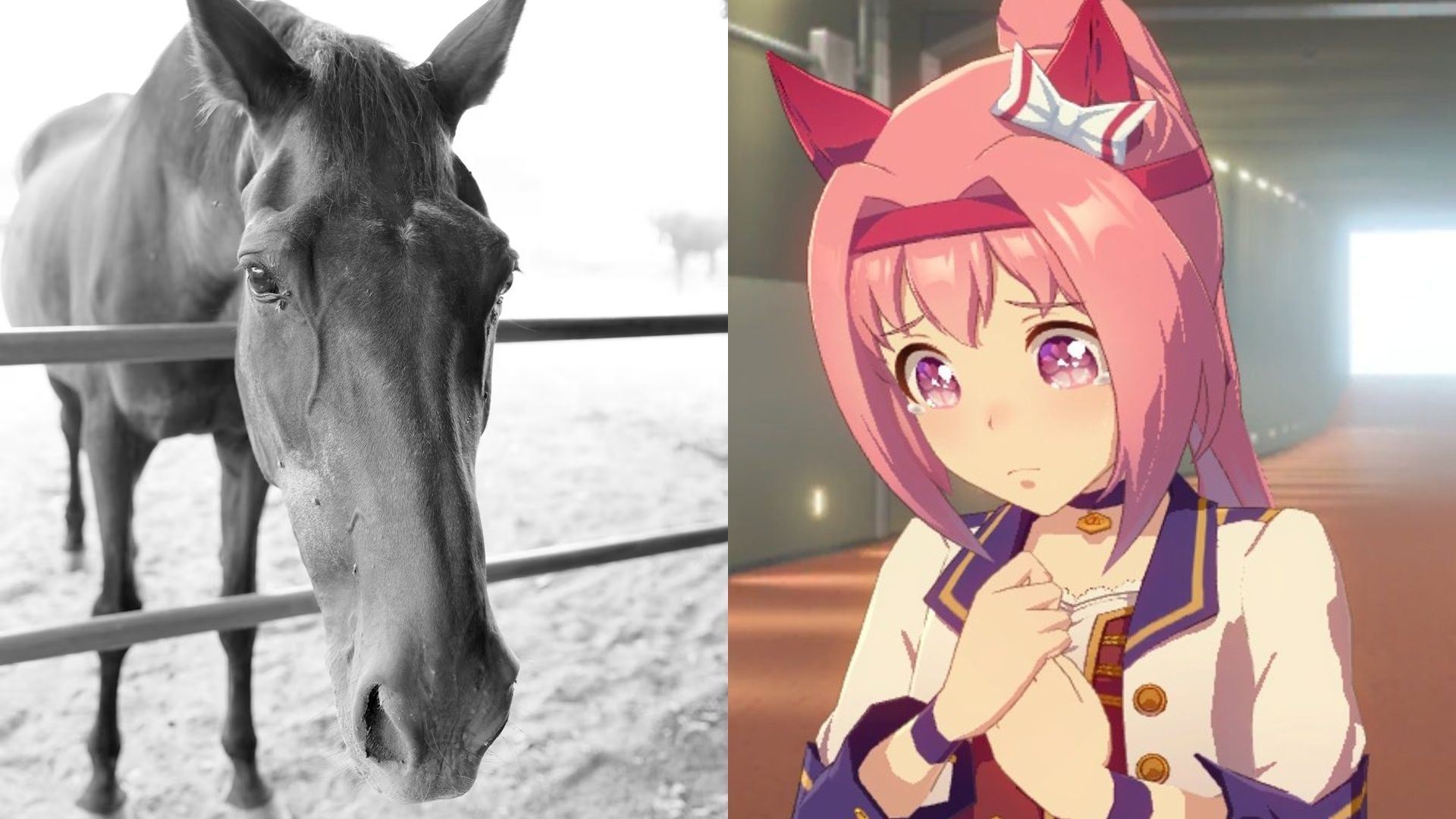
Haru Urara, the Real-Life Racehorse Who Inspired a Cultural Phenomenon, Dies at 29

📷 Image source: static.animecorner.me
The End of an Era
Beloved Equine Icon Succumbs to Age
Haru Urara, the thoroughbred racehorse whose underdog story captivated Japan and inspired a popular character in the multimedia franchise Uma Musume, has died at age 29. The mare passed away on September 8, 2025, at the Tokachi Ranch in Hokkaido, Japan, where she had lived in retirement since 2004. Her advanced age equates to approximately 80-90 human years, making her longevity remarkable for a horse.
According to animecorner.me, which reported the news on September 9, 2025, at 10:48 UTC, the ranch announced her death was due to natural causes associated with old age. The horse had been receiving palliative care in her final years as her health gradually declined. Her passing marks the conclusion of an extraordinary life that transcended sports and entered the realm of cultural symbolism.
Racing Career and Unlikely Fame
From Last Place Finishes to National Celebrity
Haru Urara's racing career began in 1998 and continued through 2004, during which she started in 113 races without achieving a single victory. Her consistent losses, rather than diminishing her popularity, became the source of her widespread appeal. Japanese fans began cheering for her not despite her failures, but because of them, seeing in her persistence a reflection of human resilience.
The mare's breakthrough moment came during a race at Kochi Racecourse in March 2004, when spectators created handmade cheer cards that read 'Haru Urara, do your best!' This spontaneous display of support transformed her from merely another losing racehorse into a national symbol of perseverance. The event was widely covered by media, creating a phenomenon that would eventually extend far beyond the racing world.
Cultural Impact Beyond the Track
How a Losing Horse Won Hearts Nationwide
Haru Urara's story resonated deeply with the Japanese public during a period of economic stagnation in the late 1990s and early 2000s. Her continued effort despite repeated failures became a metaphor for perseverance during difficult times. The phenomenon was notable for how it inverted traditional sports narratives that typically celebrate only winners and champions.
Merchandise featuring Haru Urara, including good luck charms, dolls, and fan memorabilia, generated significant revenue despite her poor racing record. Her popularity demonstrated how stories of determination could capture public imagination more powerfully than conventional success stories. This cultural impact would eventually pave the way for her inclusion in the Uma Musume franchise years later.
The Uma Musume Connection
Bridging Reality and Virtual Stardom
The Uma Musume: Pretty Derby franchise, launched by Cygames in 2016, features anthropomorphized horse girls based on real-life racehorses. Haru Urara was incorporated into this universe as a character who maintains the original horse's persistent and cheerful personality despite poor racing performance. The character design incorporates elements of the real horse's appearance and racing colors.
According to animecorner.me, the virtual Haru Urara character became particularly popular among fans who appreciated her underdog story. The franchise includes mobile games, anime series, manga, and other media formats, making the character accessible to audiences beyond traditional horse racing enthusiasts. This cross-media presence significantly extended the legacy of the original horse.
Retirement Years and Care
Life After Racing at Tokachi Ranch
Following her retirement from racing in 2004, Haru Urara lived at Tokachi Ranch in Hokkaido, where she received care tailored to her advanced age. The ranch, known for housing retired racehorses, provided specialized nutrition and veterinary attention to ensure her comfort. Visitors frequently traveled to see the famous mare, making her a tourist attraction in her own right.
The ranch staff reported that Haru Urara maintained her gentle temperament throughout her retirement years. Her care involved regular health monitoring and age-appropriate exercise routines. The longevity she achieved is uncommon for thoroughbred racehorses, who typically live 25-30 years, with retirement often beginning around age 15-20 depending on their racing career.
Global Perspective on Racehorse Retirement
Comparing International Approaches to Equine Aftercare
Japan's approach to racehorse retirement, as demonstrated by Haru Urara's case, involves both private ranches and dedicated retirement facilities. The country has developed structured aftercare programs particularly for famous horses that have captured public attention. This system contrasts with approaches in other racing nations where retirement outcomes vary significantly based on the horse's success and owner resources.
Internationally, racehorse retirement and aftercare have become increasingly important welfare issues. Organizations in various countries work to ensure retired racehorses transition to second careers or peaceful retirement. Haru Urara's case represents one of the more successful examples of long-term care for a retired athlete, though the level of attention she received was unusual due to her celebrity status.
The Economics of Equine Celebrity
How Cultural Status Transcends Racing Performance
Haru Urara's case demonstrates how cultural significance can create economic value independent of athletic achievement. Despite her poor racing record, the horse generated substantial revenue through merchandise, visitor fees at her retirement ranch, and media coverage. This economic model differs dramatically from typical racehorse economics based primarily on prize money and breeding value.
The commercialization of her story included various licensed products that capitalized on her underdog narrative. This phenomenon shows how cultural narratives can create sustainable economic support systems for animals that would otherwise have limited financial value after retirement. The pattern has parallels with other famous animals that achieve celebrity status despite not being traditionally 'successful' in their fields.
Media Representation and Public Perception
How Coverage Shaped the Haru Urara Narrative
Media coverage played a crucial role in transforming Haru Urara from an unsuccessful racehorse into a cultural icon. Initial racing reports focused on her losing streak, but gradually shifted to emphasize her perseverance and the public's affectionate response. This narrative evolution demonstrates how media framing can significantly alter public perception of sports figures, whether human or animal.
The consistency of her story across various media formats—from sports reporting to cultural features—helped maintain public interest over many years. The transition from physical racing coverage to digital representation in Uma Musume further extended her media presence. This multi-platform approach to storytelling contributed to the longevity of her cultural relevance beyond her active racing years.
Animal Welfare Considerations
Long-Term Care for Aging Equine Athletes
Haru Urara's extended retirement raises important considerations regarding long-term care for aging racehorses. Her case demonstrates the specialized needs of elderly equines, including dietary adjustments, hoof care, dental maintenance, and mobility support. These requirements become increasingly complex as horses advance into their late 20s, requiring dedicated resources and expertise.
The financial implications of long-term equine care present challenges for many owners and facilities. While Haru Urara benefited from her celebrity status, most retired racehorses do not receive comparable resources. This disparity highlights ongoing discussions within the racing industry about sustainable funding models for retirement care that don't depend on individual animals achieving unusual fame or commercial success.
Legacy and Cultural Memory
Enduring Impact Beyond a Lifetime
Haru Urara's legacy extends beyond her physical life through her continued presence in popular culture. The Uma Musume character ensures that new audiences will encounter her story for years to come. This digital immortality represents a modern approach to preserving cultural memory, where virtual representations extend the impact of real-life figures.
The intersection of real-world sports and digital entertainment that Haru Urara represents has created a template for other cross-media collaborations. Her story demonstrates how authentic narratives can enrich fictional universes while preserving historical and cultural significance. This blending of reality and fiction creates unique opportunities for education and engagement with sports history.
Reader Perspective
Join the Conversation
What aspects of underdog stories do you find most compelling in sports or entertainment? Does knowing a character is based on a real animal or person change how you engage with their story?
Have you encountered other examples where real animals achieved cultural significance beyond their primary purpose? How do these stories influence public perception of animal welfare and our relationships with animals in sports and entertainment?
#HaruUrara #UmaMusume #HorseRacing #JapaneseCulture #UnderdogStory


