

Magical Girl Franchise Returns with Dark Twist in 2026 Revival

📷 Image source: static.animecorner.me
Teaser Reveal Signals Franchise Revival
First Look at Magical Girl Raising Project Restart
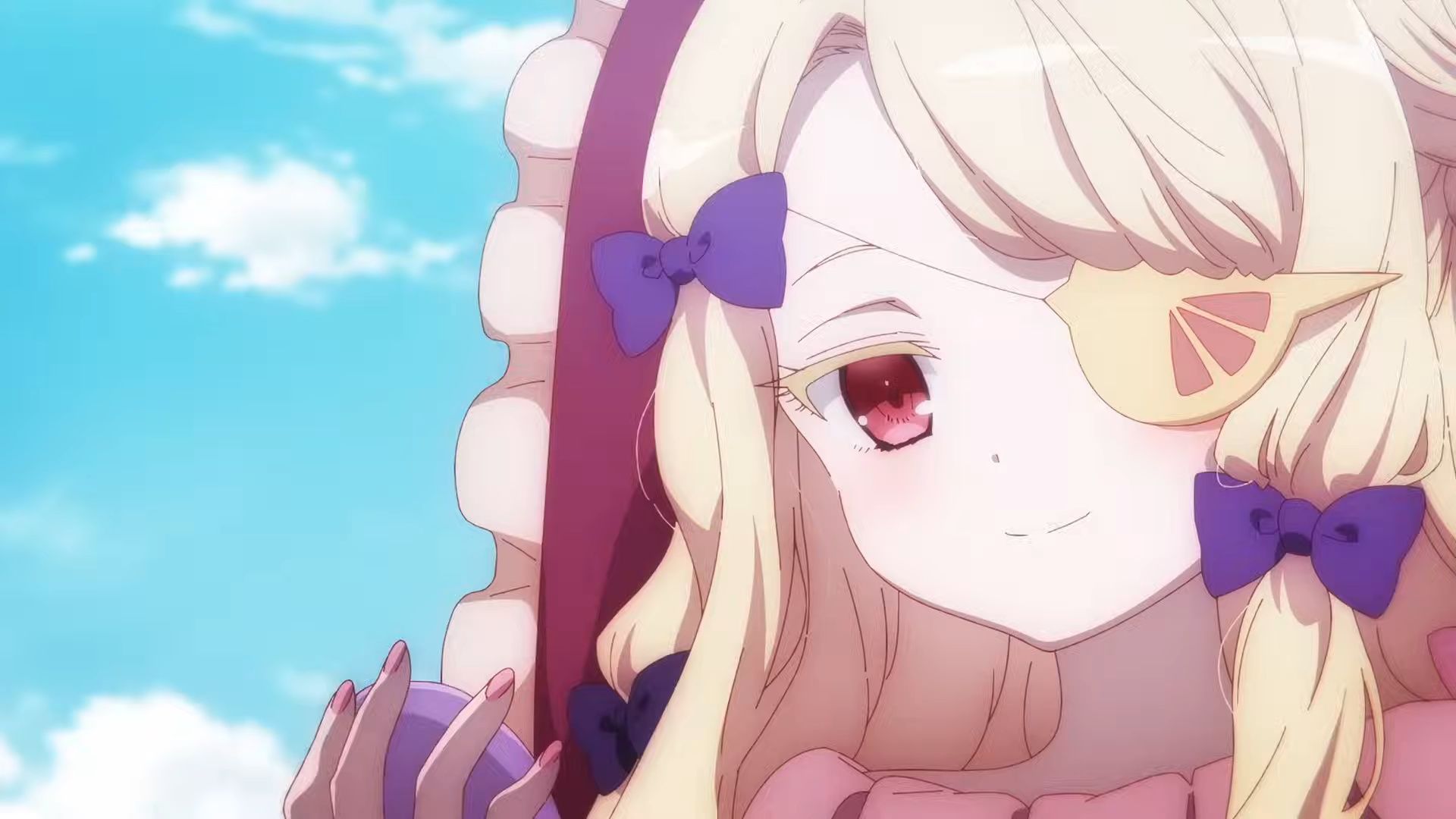
The magical girl genre prepares for a dramatic return as production company Lerche unveils the first teaser trailer for Magical Girl Raising Project Restart. According to animecorner.me, the trailer offers glimpses of both transformed magical forms and civilian identities, suggesting the series will maintain its signature blend of ordinary life and supernatural conflict. The visual style appears consistent with the franchise's established aesthetic while introducing new character designs that hint at expanded world-building.
Scheduled for a 2026 premiere, the announcement has generated immediate attention within international anime communities. The teaser's release timing, reported by animecorner.me on September 1, 2025, strategically positions the project nearly a year ahead of its debut, allowing substantial time for marketing buildup. This extended lead time contrasts with industry trends toward shorter announcement-to-release windows, suggesting confidence in the franchise's enduring appeal.
Musical Identity Established Early
Opening Theme Announcement Breaks Convention
In an unusual move for anime productions, the creative team revealed the opening theme artist simultaneously with the initial trailer. Japanese musical unit Run Girls, Run! will perform the series' opening song, marking their continued involvement in the anime industry after previous contributions to other projects. Early musical releases often help build anticipation and allow fans to connect auditory themes with visual elements before the full premiere.
The selection of Run Girls, Run! suggests a deliberate artistic direction that balances energetic pop sensibilities with the franchise's darker narrative undertones. This approach mirrors how many magical girl series use musical contrast to heighten emotional impact, a technique that resonates across cultural boundaries. International audiences often appreciate how Japanese anime uses music thematically rather than merely as background accompaniment.
Production Team Brings Experience and New Vision
Lerche Studios Handles Animation Duties
Animation production company Lerche returns to helm the new installment, bringing continuity from their work on previous series entries. The studio has developed a reputation for handling dark fantasy themes while maintaining visual polish, as seen in their work on series like Given and Classroom of the Elite. Their involvement suggests a consistent visual language with prior installations while allowing for technical improvements gained through recent projects.
Director Hiroyuki Hashimoto resumes his role, ensuring directorial consistency with the 2016 television adaptation. Hashimoto's filmography includes diverse genres from comedy to horror, giving him the range to handle the series' tonal shifts. This continuity in key creative positions indicates a deliberate effort to maintain the franchise's distinctive identity while expanding its narrative scope for both existing fans and new audiences.
Franchise History and Global Reception
From Light Novels to International Phenomenon
The Magical Girl Raising Project franchise originated as a light novel series written by Endou Asari and illustrated by Maruino, beginning publication in 2012. The series gained attention for subverting magical girl tropes by incorporating survival game elements and psychological tension. This approach arrived during a period of genre experimentation that saw similar dark twists in other franchises, reflecting broader creative trends in Japanese media.
Internationally, the franchise found audiences through streaming platforms and translated manga adaptations. The 2016 anime adaptation particularly resonated with Western viewers who appreciated its deconstruction of genre conventions. This global reception demonstrates how Japanese narrative innovations often find enthusiastic international audiences, especially when they reimagine familiar tropes through fresh perspectives that cross cultural boundaries.
Cultural Context of Magical Girl Evolution
Beyond Sparkles and Transformation Sequences
The magical girl genre has evolved significantly since its early days of straightforward hero narratives. Beginning with series like Sailor Moon in the 1990s, the genre gradually incorporated more complex themes and darker storytelling elements. This evolution reflects both changing audience expectations and creators' desires to explore the psychological implications of granting young characters extraordinary powers and responsibilities.
Magical Girl Raising Project occupies a specific niche within this evolution, pushing the boundaries of how dark these stories can become while maintaining the visual and thematic elements that define the genre. This balancing act between tradition and innovation has become increasingly common as creators seek to both honor genre conventions and surprise audiences with unexpected developments that challenge their expectations.
Technical and Artistic Considerations
Modern Animation Techniques Meet Established Style
Contemporary anime production incorporates increasingly sophisticated digital tools while maintaining hand-drawn aesthetic principles. The teaser suggests Lerche will continue using traditional animation techniques enhanced by digital coloring and effects, creating the crisp visual style that characterizes modern anime. This approach balances efficiency with artistic integrity, allowing for both detailed character expressions and dynamic action sequences.
The production likely benefits from lessons learned during the COVID-19 pandemic, which forced many studios to develop more robust remote collaboration workflows. These technological adaptations have permanently changed how anime is produced, potentially allowing for more consistent quality control despite the complex coordination required between directors, animators, and sound designers across different locations and companies.
Global Market Considerations
International Distribution in the Streaming Era
Anime distribution has transformed dramatically since the franchise's previous adaptation, with streaming services now dominating international access. Major platforms like Crunchyroll, Netflix, and HIDIVE compete for licensing rights to anticipated series, often securing deals before production completes. This changed landscape affects everything from production budgets to release scheduling, as simultaneous worldwide premieres become increasingly common.
The 2026 release window positions Magical Girl Raising Project Restart within a increasingly crowded market for dark fantasy anime. International success often depends on effective localization, including quality subtitle translations and sometimes dubbed versions for different regions. These considerations increasingly influence production decisions as the international market grows more important financially than the domestic Japanese market for many anime properties.
Thematic Expectations and Narrative Directions
Anticipating the New Installment's Approach
Based on the franchise's established patterns, the new installment will likely continue exploring themes of power, responsibility, and the psychological toll of violence on young characters. The series has distinguished itself by not shying away from the emotional consequences of its deadly game mechanics, creating tension between magical fantasy and harsh reality. This thematic seriousness has been key to its international appeal among audiences seeking more mature storytelling.
The 'Restart' subtitle suggests either a narrative reboot or a continuation that recontextualizes previous events. Either approach offers opportunities to attract new viewers while satisfying existing fans. Successful franchise revivals often balance familiarity with innovation, providing enough connection to established lore while offering fresh perspectives that justify the new installation rather than simply repeating what came before.
Industry Impact and Future Implications
What Restart Means for the Broader Anime Landscape
The decision to revive Magical Girl Raising Project reflects broader industry trends toward leveraging established intellectual properties rather than developing entirely new concepts. This conservative approach minimizes financial risk while capitalizing on existing audience awareness. However, it also requires delivering something sufficiently new to justify the revival, creating tension between commercial safety and creative ambition.
Successful revivals can demonstrate the enduring appeal of certain narrative approaches while introducing them to new generations of viewers. The 2026 premiere will test whether the dark magical girl subgenre maintains relevance nearly a decade after the previous adaptation. The results may influence decisions about other potential revivals and similar genre experiments, making this project significant beyond its immediate commercial performance.
Audience Expectations and Community Response
Early Reactions and Speculation
Initial reactions from international fans have mixed excitement about the franchise's return with curiosity about how the new installment will distinguish itself. Online communities are already analyzing the teaser frame-by-frame for clues about character designs, potential story directions, and how the animation quality compares to previous adaptations. This intense scrutiny reflects how engaged anime fandom has become in the social media era.
Long-term fans express hope that the new series will maintain the emotional intensity and character development that distinguished earlier installations. Meanwhile, newcomers wonder about accessibility—whether prior knowledge will be necessary to appreciate the story. These concerns reflect broader challenges facing franchise expansions in an era of abundant content options and increasingly sophisticated audience expectations across global markets.
Global Perspectives
How does your cultural background influence your perception of magical girl stories? Do you prefer traditional heroic narratives or darker deconstructions of the genre?
What aspects of Japanese storytelling conventions most effectively cross cultural boundaries, and which elements tend to get lost in translation? Share your perspective from your national or cultural context.
#MagicalGirlRaisingProject #Anime2026 #Lerche #RunGirlsRun #DarkFantasy #AnimeNews


