

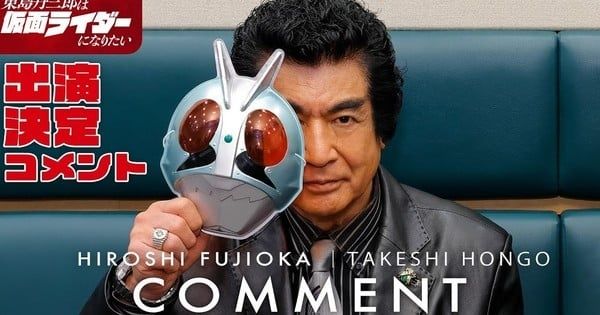
Original Kamen Rider Returns: Hiroshi Fujioka Revives Iconic Role in New Anime Project

📷 Image source: animenewsnetwork.com
Legendary Actor Makes Historic Comeback
Hiroshi Fujioka returns as Takeshi Hongo after decades
In a stunning development for tokusatsu and anime enthusiasts worldwide, Hiroshi Fujioka, the original Kamen Rider actor, is returning to voice his iconic character Takeshi Hongo in the upcoming anime series 'Tojima Wants to Be a Kamen Rider.' The announcement, made by animenewsnetwork.com on September 26, 2025, marks a significant moment in Japanese pop culture history as Fujioka reprises the role that launched the legendary franchise in 1971.
What does it mean for a cultural icon to return to his roots after more than five decades? For fans who grew up watching the original series, this represents more than just another casting announcement—it's a bridge connecting generations of Kamen Rider enthusiasts. The original series, created by manga legend Shotaro Ishinomori, revolutionized the superhero genre in Japan and spawned one of the most successful media franchises in history.
Tojima's Ambitious Journey
New protagonist seeks Kamen Rider transformation
The anime centers around protagonist Tojima, whose burning desire to become a Kamen Rider drives the narrative forward. According to animenewsnetwork.com's report, Tojima's journey will explore what it truly means to embody the ideals of a Kamen Rider in contemporary society.
Production I.G, the acclaimed studio behind numerous successful anime productions, is handling the animation, ensuring high-quality visuals that will complement the compelling storyline. The series promises to examine the psychological and emotional challenges of aspiring to heroism in a world that has evolved significantly since the original Kamen Rider's debut.
Fujioka's Enduring Legacy
From physical performer to voice actor
Hiroshi Fujioka's connection to the Kamen Rider franchise spans an remarkable 54 years, beginning when he originated the role of Takeshi Hongo in the live-action television series. His portrayal established the template for all subsequent Kamen Riders, blending heroic determination with human vulnerability.
The transition from live-action performance to voice acting represents a natural evolution for Fujioka, who has maintained his connection to the franchise through various appearances and voice roles over the decades. His return to a central role demonstrates the production team's commitment to honoring the franchise's roots while exploring new narrative territory.
Production Details and Creative Vision
Behind the scenes of the new anime adaptation
While specific plot details remain closely guarded, animenewsnetwork.com confirms that the series will explore themes of heroism, sacrifice, and the evolving nature of justice in modern society. The creative team aims to balance nostalgic elements with contemporary storytelling approaches.
The involvement of original cast members alongside new talent creates an interesting dynamic that could appeal to both long-time fans and newcomers to the franchise. This strategic approach acknowledges the franchise's rich history while ensuring accessibility for modern audiences who may be encountering Kamen Rider for the first time.
Cultural Impact of Kamen Rider
Understanding the franchise's enduring appeal
Since its debut in 1971, Kamen Rider has become a cultural phenomenon in Japan and across Asia, with merchandise, video games, manga adaptations, and numerous television series continuing the legacy. The franchise has consistently evolved while maintaining core themes of justice, transformation, and fighting for humanity's future.
The original series emerged during a period of rapid technological advancement and social change in Japan, reflecting contemporary anxieties about science and humanity's relationship with technology. These themes remain remarkably relevant today, providing fertile ground for new interpretations and stories within the Kamen Rider universe.
Voice Acting Challenges and Opportunities
Translating physical performance to vocal expression
Fujioka's transition from physical performer to voice actor presents unique creative challenges. In the original series, much of his characterization came through body language and stunt work, complemented by the distinctive helmet that concealed his facial expressions during action sequences.
Voice acting requires conveying the same intensity and emotional depth through vocal performance alone. For an actor so closely associated with physical embodiment of a character, this shift in performance medium represents both a challenge and an opportunity to explore new dimensions of a character he knows intimately.
Fan Expectations and Community Response
Anticipation builds for historic return
The announcement has generated significant excitement across social media platforms and fan communities, with many expressing appreciation for the production's decision to include the original actor. Long-time fans see this as validation of the franchise's commitment to its heritage.
Younger fans who may have encountered Fujioka through his various cameos and special appearances in later Kamen Rider series now have the opportunity to experience his performance in a substantial role. This bridging of generational gaps represents one of the project's most promising aspects, potentially introducing classic elements to new audiences while satisfying veteran enthusiasts.
Future Implications for the Franchise
What Fujioka's return means for Kamen Rider's evolution
The successful integration of original franchise elements with new creative directions could establish a template for future Kamen Rider projects. If 'Tojima Wants to Be a Kamen Rider' resonates with audiences, it may encourage producers to explore similar approaches that honor the franchise's history while pushing narrative boundaries.
Fujioka's participation also sets a precedent for involving legacy actors in new interpretations of their classic roles, potentially opening doors for other original cast members to contribute to the franchise's ongoing evolution. This approach maintains continuity while allowing for creative innovation, ensuring that Kamen Rider remains relevant for future generations.
Technical and Artistic Considerations
Balancing nostalgia with contemporary animation
Production I.G faces the challenge of creating visual elements that acknowledge the series' tokusatsu origins while leveraging modern animation techniques. The studio must decide how closely to reference the practical effects and cinematography of the original live-action series within the animated medium.
Character design represents another crucial consideration, particularly for Takeshi Hongo's appearance. The creative team must determine whether to create a youthful representation matching Fujioka's original performance or reflect the character's age progression, potentially aligning with Fujioka's current vocal qualities. These artistic decisions will significantly impact how audiences receive the final product.
#KamenRider #HiroshiFujioka #Anime #TojimaWantsToBeAKamenRider #ProductionIG


