

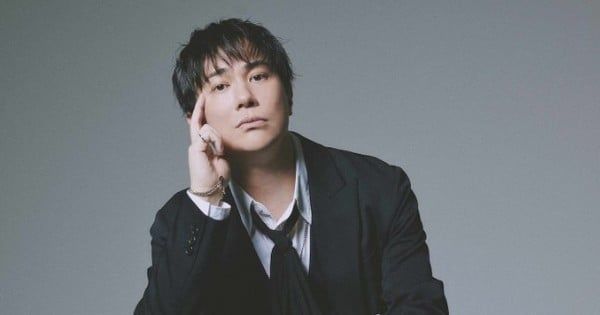
Voice Actor Tatsuhisa Suzuki Returns to Music After Hiatus With New Project SHINKIRO&Co.

📷 Image source: animenewsnetwork.com
The Comeback Announcement
After years away from music, a prominent voice actor returns with a new creative direction
According to animenewsnetwork.com, voice actor Tatsuhisa Suzuki has officially resumed his musical activities after a significant hiatus, launching a new music project called SHINKIRO&Co. The announcement, made on September 1, 2025, marks a pivotal moment in the career of an artist known for his work across both voice acting and music industries.
This development represents more than just another celebrity project—it signals the return of one of Japan's most recognizable vocal talents to the musical arena where he previously achieved considerable success. The timing and nature of this comeback raise questions about how artists navigate career transitions in Japan's highly competitive entertainment industry, particularly when moving between different creative domains.
Understanding SHINKIRO&Co.
Decoding the new musical identity and its potential significance
The report states that Suzuki's new venture operates under the name SHINKIRO&Co., though specific details about the musical direction, genre, or participating members beyond Suzuki himself remain undisclosed. The name itself offers clues—'Shinkiro' translates to 'mirage' or 'fata morgana' in Japanese, suggesting perhaps an ethereal or illusionary thematic approach to the music.
Typically, Japanese music projects involving established voice actors incorporate elements that complement their existing fan base while exploring new creative territory. The '&Co.' suffix indicates this likely represents a collaborative effort rather than a solo endeavor, potentially involving other musicians, producers, or creative partners who haven't yet been publicly revealed.
Suzuki's Musical Legacy
Tracing the voice actor's previous accomplishments in the music industry
Before his hiatus, Tatsuhisa Suzuki had established himself as a significant musical presence beyond his voice acting work. He was previously part of the musical unit OLDCODEX, which achieved considerable success in the anime music scene. The group provided theme songs for numerous popular anime series, building a dedicated following among anime and music fans alike.
Industry standards in Japan often see voice actors transitioning into music careers, leveraging their existing popularity to reach broader audiences. Suzuki's case was particularly notable because he managed to achieve parallel success in both fields simultaneously—a challenging feat in Japan's entertainment industry where specialization is often emphasized over diversification of talents.
The Hiatus Context
Understanding the circumstances surrounding Suzuki's pause from musical activities
The animenewsnetwork.com report doesn't specify the exact duration or reasons for Suzuki's hiatus from music, but industry observers note that voice actors sometimes pause certain activities due to scheduling conflicts, personal reasons, or strategic career decisions. In practice, Japanese entertainment contracts often require artists to focus on specific projects for extended periods, potentially limiting their ability to maintain multiple active careers simultaneously.
While the source material doesn't provide details about what prompted the break from music, such pauses are not uncommon in the industry. Many artists periodically step back from certain activities to regroup, retrain, or simply avoid creative burnout in an industry known for its demanding schedules and high-pressure environment.
Voice Acting Career Intersection
How Suzuki's primary profession influences his musical return
Tatsuhisa Suzuki remains primarily known as a voice actor with an impressive portfolio of roles in popular anime series and games. His vocal training and performance experience undoubtedly influence his musical approach, particularly in terms of vocal technique, emotional expression, and audience connection. The report doesn't specify whether his voice acting work will continue alongside his musical resurgence, but typically, established voice actors maintain their primary career while pursuing musical projects.
This intersection between voice acting and music represents a significant trend in Japan's entertainment industry. Many successful voice actors develop musical careers that complement their acting work, often performing theme songs for the very series they voice characters in, creating a synergistic relationship between their different creative outputs.
Industry Impact and Reception
How the music and voice acting communities might respond to this development
According to industry observers, the return of an established artist like Suzuki to music could have ripple effects across both the voice acting and music industries. His existing fan base, built through years of voice work and previous musical projects, provides a ready audience for SHINKIRO&Co.'s upcoming releases. This built-in audience advantage often determines the commercial viability of such projects from their inception.
The Japanese entertainment market typically responds positively to comebacks and reinventions, particularly when involving artists with proven track records. However, the success of SHINKIRO&Co. will ultimately depend on the quality of the music, the effectiveness of the new artistic direction, and how well it resonates with both existing fans and potential new audiences discovering Suzuki's work for the first time.
Global Implications for Anime Music
What Suzuki's return means for international fans and the worldwide anime community
While the animenewsnetwork.com report focuses on the Japanese context, Tatsuhisa Suzuki's return to music carries significance for the global anime community. International fans increasingly follow Japanese voice actors' musical projects, often streaming their music globally and attending concerts during international anime conventions and tours. This global audience has become an important revenue stream for Japanese artists, influencing career decisions and project viability.
Typically, music projects associated with popular voice actors gain immediate international attention through anime fan communities, social media, and specialized streaming platforms catering to Japanese music. SHINKIRO&Co. will likely benefit from this existing international infrastructure, potentially reaching audiences far beyond Japan's borders from the project's inception.
The Future of Cross-Disciplinary Entertainment Careers
How Suzuki's career path reflects broader trends in Japanese entertainment
Tatsuhisa Suzuki's career exemplifies a growing trend in Japanese entertainment where artists successfully navigate multiple creative disciplines. The traditional boundaries between voice acting, music, and other performance arts have become increasingly porous, with many artists building what industry professionals call 'portfolio careers' that span multiple domains. This approach offers creative fulfillment and financial stability but requires careful management to avoid overextension.
In practice, successful cross-disciplinary careers like Suzuki's require exceptional talent management, strategic timing of projects, and maintaining artistic integrity across different mediums. The launch of SHINKIRO&Co. represents not just a musical comeback but a case study in how modern Japanese entertainers navigate the complex landscape of contemporary media careers while maintaining relevance across multiple creative fields.
Ethical Considerations in Entertainment Comebacks
The responsibilities and challenges facing artists returning after hiatus
While the source material doesn't address specific ethical dimensions, any artist's return after a significant pause raises questions about audience expectations, artistic integrity, and commercial pressures. Artists like Suzuki must balance fan expectations built on previous work with the creative freedom to explore new directions. There's also the practical matter of managing public perception and media scrutiny that often accompanies high-profile returns.
Industry standards have evolved regarding how artists manage comebacks, with increased attention to transparent communication, realistic expectation setting, and maintaining artistic authenticity. The choice of the name SHINKIRO&Co. suggests a conscious effort to establish a distinct identity separate from previous projects, potentially addressing some of these considerations by signaling a fresh start rather than simply continuing past work.
Technical Aspects of Music Project Launches
The behind-the-scenes reality of starting a new musical venture
Although the report provides limited technical details, launching a music project like SHINKIRO&Co. involves numerous practical considerations beyond the creative aspects. Typically, such ventures require securing recording contracts, assembling production teams, developing marketing strategies, and establishing distribution channels—all while navigating the complex copyright and licensing landscape of the Japanese music industry.
The music industry in Japan operates through established systems involving record labels, talent agencies, and production committees that often share ownership and revenue from musical projects. For an established artist like Suzuki, these arrangements might differ from those of newcomers, potentially offering more creative control or different financial structures based on past success and negotiating power.
Comparative Analysis: Other Voice Actor Musicians
How Suzuki's musical journey compares to peers in the industry
Tatsuhisa Suzuki joins numerous other Japanese voice actors who have pursued parallel music careers. The phenomenon of voice actors transitioning into music—or maintaining both careers simultaneously—has become increasingly common in Japan's entertainment landscape. However, each artist's approach differs based on their vocal style, musical preferences, and career strategy.
Some voice actors maintain clear separation between their acting and musical personas, while others integrate them closely, often performing theme songs for series they voice characters in. The establishment of SHINKIRO&Co. as a distinct project rather than a solo endeavor under his own name suggests Suzuki may be opting for greater separation between his voice acting identity and musical output, potentially allowing for more creative experimentation without being constrained by audience expectations based on his acting roles.
Historical Context of Musical Hiatuses and Returns
Precedent cases and patterns in Japanese entertainment industry pauses
While the source doesn't provide historical context, hiatuses and comebacks are not uncommon in the Japanese entertainment industry. Many artists periodically step away from certain activities for personal growth, health reasons, or strategic repositioning. These pauses can last from months to years, with successful returns often depending on maintaining fan engagement during the absence and effectively communicating the comeback narrative.
The music industry particularly has seen numerous successful returns after hiatuses, with some artists even leveraging their time away to generate anticipation and renewed interest in their work. The key factors typically involve managing audience expectations, delivering quality work that justifies the wait, and effectively communicating the artistic vision behind the return—elements that will likely determine the reception of SHINKIRO&Co. among both existing fans and new listeners.
#TatsuhisaSuzuki #SHINKIROandCo #VoiceActorMusic #AnimeMusic #JapaneseEntertainment #CareerComeback


