

Disney's Twisted-Wonderland Anime Expands with Second Season Confirmation

📷 Image source: animenewsnetwork.com
Magical Announcement
Disney's Gaming Phenomenon Continues Animated Journey
The enchanting world of Twisted-Wonderland has officially secured its future in animation. According to animenewsnetwork.com, Disney has confirmed production of a second season for its popular anime adaptation, continuing the story based on the hit mobile game that reimagines Disney villains as charismatic male characters. The announcement came through official channels on November 13, 2025, though specific release dates remain undisclosed.
This confirmation follows the successful first season that premiered earlier in 2025, bridging Disney's Western animation legacy with Japan's anime storytelling traditions. The series represents a significant cross-cultural collaboration, merging Disney's character universe with Japanese game developer f4samurai's expertise in mobile gaming and animation studio BONES' renowned production quality. The continuation signals Disney's commitment to expanding its animated content beyond traditional Western audiences.
Game Origins and Global Impact
From Mobile Screens to Animation Studios
Twisted-Wonderland began as a Japanese mobile game in March 2020, developed by f4samurai in collaboration with Disney. The game quickly gained popularity for its unique premise of transforming classic Disney villains into handsome male students at the prestigious Night Raven College. Players assume the role of a mysterious character who becomes the school's prefect, navigating magical conflicts and personal dramas.
The game's international release followed in subsequent years, building a dedicated global fanbase that spans North America, Europe, and Southeast Asia. According to animenewsnetwork.com, the anime adaptation represents Disney's strategic push to leverage its intellectual property across different media formats and cultural contexts. The transition from game to anime follows a pattern seen in other successful Japanese media franchises but marks one of Disney's most substantial collaborations with Japanese animation studios.
Production Team and Creative Vision
Behind the Magic Curtain
Animation studio BONES, known for acclaimed series like Fullmetal Alchemist and My Hero Academia, continues its involvement in the second season production. The studio has built a reputation for high-quality animation and faithful adaptations, bringing their expertise to Disney's unique vision. Director Noriyuki Abe returns to helm the project, maintaining visual consistency with the first season's distinctive art style that blends Disney character design elements with anime aesthetics.
Character designer Yoko Sato continues her work adapting the original game designs for animation, preserving the distinctive visual identity that fans appreciate. The production committee includes representatives from Disney, Aniplex, and f4samurai, ensuring the adaptation remains true to the game's spirit while expanding its narrative possibilities. This collaborative structure represents a significant departure from Disney's traditional solo production approach, demonstrating their adaptation to global media partnerships.
Story Continuation and Character Arcs
What Lies Beyond the First Season
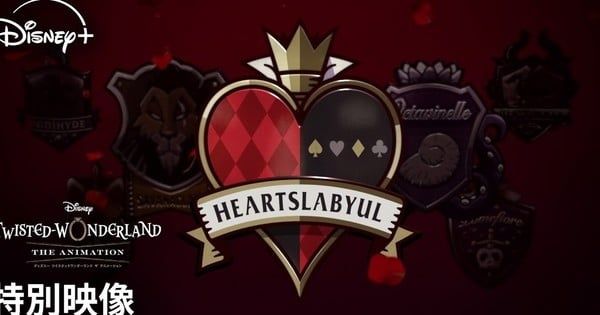
The first season covered the initial story arcs from the mobile game, focusing on students from different dormitories based on Disney villain archetypes. These included Heartslabyul (inspired by the Queen of Hearts from Alice in Wonderland), Savanaclaw (Scar from The Lion King), and Octavinelle (Ursula from The Little Mermaid). Each dormitory represents different personality traits and magical specialties within the academy's competitive structure.
While specific plot details for the second season remain confidential, the continuation will likely explore remaining dormitories and their associated storylines from the game. This includes Pomefiore (inspired by the Evil Queen from Snow White), Ignihyde (Hades from Hercules), and Diasomnia (Maleficent from Sleeping Beauty). The narrative is expected to deepen the mystery surrounding the protagonist's arrival at Night Raven College and the magical disturbances affecting the school.
Cultural Fusion in Animation
East Meets West in Character Design
Twisted-Wonderland represents a fascinating case study in cultural exchange within animation. The character designs maintain recognizable elements from Disney's classic villain designs while incorporating Japanese bishōnen (beautiful young man) aesthetics that appeal to anime audiences. This fusion creates a unique visual language that distinguishes the series from both traditional Disney animation and conventional anime productions.
The storytelling approach similarly blends Western narrative structures with Japanese character-driven drama. While Disney animations typically focus on clear moral narratives and protagonist journeys, Twisted-Wonderland incorporates more ensemble casting and relationship dynamics characteristic of Japanese media. This cultural hybridity has proven successful in attracting diverse audience demographics across different regions, though specific viewership numbers for the first season remain undisclosed by the production committee.
Music and Sound Design
Auditory Magic Behind the Scenes
Music continues to play a crucial role in the Twisted-Wonderland experience, with composer Yuki Hayashi returning for the second season. Hayashi's previous work includes acclaimed soundtracks for My Hero Academia and Haikyu!!, bringing his expertise in creating emotional and dynamic musical scores. The soundtrack blends orchestral arrangements reminiscent of Disney's musical traditions with contemporary Japanese anime music styles.
Voice acting remains consistent with the original Japanese cast from both the game and first season, featuring popular seiyū (voice actors) who have become closely associated with their characters. The audio production maintains high standards for both musical composition and voice performance, creating an immersive auditory experience that complements the visual storytelling. Sound director Yoshikazu Iwanami continues his involvement, ensuring audio continuity between seasons.
Global Distribution Strategy
Reaching International Audiences
The first season reached global audiences through streaming platforms including Disney+ and various regional services, though specific platform availability varied by territory. This distribution strategy represents Disney's evolving approach to anime content, positioning it within their broader streaming ecosystem while acknowledging the genre's specific audience expectations. The second season is expected to follow similar distribution patterns.
International licensing arrangements for the second season remain unconfirmed at this early production stage. However, the success of the first season across multiple regions suggests that Disney will maintain or expand its global distribution network. The company faces the challenge of balancing centralized control through Disney+ with the established anime distribution networks that have proven effective for reaching dedicated anime fans worldwide.
Merchandising and Expanded Universe
Beyond Screen Entertainment
The Twisted-Wonderland franchise extends far beyond the game and anime, encompassing extensive merchandise lines including figures, apparel, stationery, and collaboration events. This merchandising ecosystem has proven particularly successful in Japan, where character goods represent a significant revenue stream. The anime's second season will likely drive renewed interest in existing merchandise while inspiring new product developments.
The franchise has also expanded into manga adaptations, novelizations, and live events featuring voice actors and musical performances. These multimedia extensions create a comprehensive entertainment experience that engages fans across different platforms and formats. The confirmation of a second season suggests Disney's confidence in the franchise's long-term viability and its potential for continued expansion into additional media and merchandise categories.
Industry Impact and Precedents
Changing Landscape of Animation Collaboration
Twisted-Wonderland represents part of a growing trend of Western entertainment companies collaborating with Japanese studios to create content that bridges cultural divides. Similar partnerships have included Netflix's collaborations with multiple anime studios and Warner Bros.' involvement in various anime productions. These collaborations reflect the globalization of animation production and consumption patterns.
The success of such ventures influences how traditional Western animation companies approach international markets and creative partnerships. Disney's specific involvement with Twisted-Wonderland demonstrates their recognition of anime's global appeal and their willingness to adapt their content creation strategies accordingly. This approach differs significantly from their historical practice of localizing existing Western content for international markets rather than creating culturally hybrid content from inception.
Technical Animation Evolution
Production Quality and Innovation
The first season of Twisted-Wonderland showcased BONES' signature animation quality, combining traditional hand-drawn techniques with digital enhancements. The character animation particularly emphasized expressive movements and detailed magical effects that brought the game's visual elements to life. The second season is expected to maintain these technical standards while potentially introducing new visual innovations.
Animation production faces ongoing challenges in balancing quality with production schedules, particularly for series with complex character designs and magical effects. The continuation of the series suggests that the production team has established efficient workflows during the first season that can be maintained or improved for subsequent installments. The specific technical approaches for the second season remain undisclosed, though the consistent creative team suggests visual continuity with the established style.
Future Franchise Possibilities
Beyond the Second Season
The confirmation of a second season naturally raises questions about the franchise's long-term trajectory. The mobile game continues to release new story content and characters, providing ample material for additional anime adaptations. The success of the second season will likely influence decisions regarding further animated projects, whether as additional seasons or alternative formats such as films or special episodes.
The franchise's structure, with multiple dormitories and character groups, creates natural segmentation for seasonal storytelling. This organizational approach mirrors successful anime franchises that have maintained audience engagement across multiple seasons through clearly defined story arcs. While specific plans beyond the second season remain unconfirmed, the franchise's ongoing popularity suggests potential for continued expansion, though the production committee has not disclosed detailed long-term roadmaps.
Perspektif Pembaca
Share Your Viewpoint
Which aspect of the Twisted-Wonderland franchise resonates most with your entertainment preferences? Do you find the character redesigns of classic Disney villains creatively successful, or does the transformation diminish their original menacing qualities that made them memorable antagonists? How does this cultural fusion between Western character origins and Japanese storytelling aesthetics compare to other cross-cultural collaborations in animation?
From a global animation perspective, what potential do you see for similar collaborations between Western intellectual property and Japanese production studios? Do such partnerships enrich both animation traditions, or do they risk diluting distinctive cultural elements? Considering the evolution of streaming platforms and international content distribution, how might such collaborations influence future animation production models and audience expectations worldwide?
#TwistedWonderland #Anime #Disney #Season2 #BONES


