

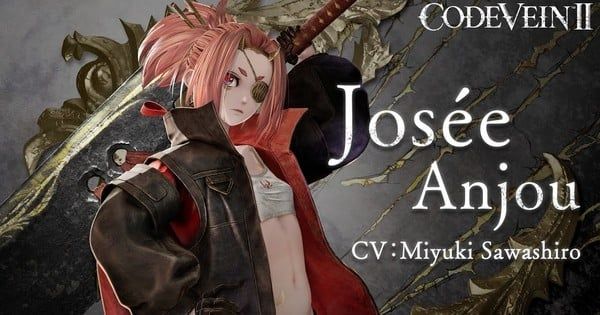
Code Vein II Unveils New Character Josée Anjou in Latest Gameplay Trailer

📷 Image source: animenewsnetwork.com
Vampiric Sequel Returns with New Blood
Bandai Namco's Gothic Action RPG Continues Its Legacy
Bandai Namco Entertainment has released a substantial new trailer for Code Vein II, showcasing the game's latest playable character Josée Anjou according to animenewsnetwork.com. The trailer, published on November 27, 2025, provides the most comprehensive look yet at the sequel's expanded gameplay mechanics and character roster since its initial announcement earlier this year.
The three-minute trailer reveals Josée as a formidable addition to the game's cast of Revenants, vampire-like beings struggling for survival in a post-apocalyptic world. Her combat style appears to blend swift melee attacks with unique blood-based abilities, suggesting she'll offer distinct gameplay options compared to previously revealed characters. The footage also hints at her narrative significance within the game's dark, interconnected world structure that characterized the original title.
Josée Anjou's Combat Capabilities
Analyzing the New Character's Fighting Style
Josée's combat mechanics demonstrate a focus on agility and precision strikes. The trailer shows her wielding what appears to be a specialized rapier-style weapon, allowing for quick thrusting attacks and defensive parries. Her movement speed seems noticeably faster than other characters shown in previous footage, potentially making her ideal for players who prefer hit-and-run tactics over brute force approaches.
Her blood-based abilities, referred to as 'Gifts' within the game's terminology, include what appears to be a projectile attack that temporarily immobilizes enemies. Another showcased ability creates a defensive barrier that absorbs incoming damage while simultaneously healing Josée. These abilities align with the original Code Vein's class-based 'Blood Code' system, though it remains uncertain how extensively this system has been revised for the sequel.
Visual and Environmental Evolution
Enhanced Graphics and Expanded World Design
The trailer reveals significant graphical improvements over the 2019 original, with more detailed character models and enhanced lighting effects that heighten the game's gothic atmosphere. Environmental destruction appears more dynamic, with structures showing realistic damage during combat sequences. The color palette remains predominantly dark and moody, consistent with the series' aesthetic, but with greater contrast and visual clarity.
New environments shown include ruined urban landscapes overgrown with crystalline formations and underground facilities featuring complex industrial machinery. These settings suggest the game world has expanded beyond the cathedral-like structures that dominated the first game. The level design appears to maintain the interconnected, maze-like layouts that fans appreciated while potentially introducing more verticality and multi-path approaches to navigation.
Character Development and Customization
Deepening the RPG Elements
Character customization options appear more extensive than in the original Code Vein. The trailer briefly shows equipment menus with numerous slots for different armor pieces and weapons, suggesting players will have greater control over their character's appearance and statistical development. The interface indicates multiple equipment loadouts can be saved and swapped quickly, addressing a limitation noted in the first game.
The footage also hints at expanded companion interaction systems. In several scenes, Josée coordinates attacks with AI-controlled partners, executing combination moves that weren't present in the original game. These synchronized attacks appear to build upon the 'Partner' system from the first title but with more complex mechanics and visual feedback. The exact nature of these improvements remains unspecified in the current reveal.
Narrative Implications
Josée's Role in the Expanding Story
While the trailer focuses primarily on gameplay, it offers glimpses of narrative context through brief cutscenes featuring Josée interacting with other characters. Her dialogue suggests she may serve as a mediator between different factions of Revenants, potentially introducing political elements to the story. Her background appears connected to the mysterious 'Queen' referenced throughout the original game's lore.
The scenes hint at ongoing conflicts between various Revenant groups with differing ideologies about how to handle their cursed existence and the dwindling blood supply. Josée's position seems to place her at the center of these tensions, possibly making her a pivotal character for understanding the game's central themes of sacrifice, morality, and survival. How her personal journey intersects with the player character's remains to be fully revealed.
Technical Performance and Platform Considerations
Optimizing the Gothic Experience
The trailer demonstrates smooth performance even during intense combat sequences with multiple enemies and elaborate particle effects. Frame rate appears consistent throughout the various scenarios shown, suggesting significant optimization work since the original game's sometimes uneven performance. Load times between areas seem reduced based on the seamless transitions shown between exploration and combat.
While specific platform capabilities weren't detailed in the trailer, the visual quality suggests the game is being developed for current-generation consoles and high-end PC hardware. Ray tracing effects appear present in reflective surfaces and shadow rendering, though Bandai Namco hasn't confirmed technical specifications. The absence of last-generation console footage in this trailer may indicate the developer is prioritizing modern hardware capabilities over cross-generation compatibility.
Combat System Refinements
Building Upon the Original Formula
The combat mechanics shown build upon the 'Blood Code' system from the original while introducing apparent refinements. Enemy attack patterns appear more varied and unpredictable, requiring greater situational awareness from players. The parry system seems to have expanded timing windows and more visible cues, potentially making it more accessible to players who struggled with the original's precise deflection requirements.
Boss encounters showcase multi-phase battles with changing attack patterns and environmental hazards. One sequence shows a massive creature that must be weakened by destroying specific body parts before becoming vulnerable to direct attacks. This approach to boss design suggests development inspiration from other successful action RPGs while maintaining Code Vein's distinctive gothic-horror aesthetic and blood-themed mechanics.
Multiplayer and Cooperative Features
Expanding Beyond Solo Play
While the trailer focuses on single-player content, brief glimpses of interface elements suggest the cooperative multiplayer from the original game will return in expanded form. Icons indicating other players' positions appear during one exploration sequence, and the HUD shows additional status bars that typically represent companion characters in Code Vein's multiplayer mode.
The original game allowed players to summon assistance for challenging areas and boss fights, and the sequel appears to be building upon this foundation. New mechanics may include shared blood reserves between cooperative players or combination attacks that require coordination between multiple participants. However, specific details about multiplayer improvements remain unconfirmed beyond what can be inferred from the trailer's visual evidence.
Audio Design and Musical Score
Enhancing the Atmospheric Experience
The trailer's audio design features a mix of haunting orchestral compositions and intense combat music that dynamically shifts between exploration and battle sequences. Voice acting for Josée displays emotional range, transitioning from calm determination during dialogue scenes to fierce intensity during combat. The audio mixing emphasizes environmental sounds that reinforce the desolate setting, from howling winds in open areas to echoing drips in cavernous spaces.
Weapon sounds carry distinctive weight and impact, with different blade types producing unique auditory feedback when striking enemies or surfaces. The blood-based abilities feature visceral, liquid-like sound effects that reinforce their thematic connection to the game's core mechanics. While the original Code Vein received praise for its soundtrack, the sequel appears to be elevating its audio presentation to match the improved visual quality.
Development Context and Series Evolution
From Spiritual Successor to Established Franchise
Code Vein began as what developers described as a 'anime-inspired spiritual successor' to the Dark Souls series, but has since developed its own identity and dedicated fanbase. The original game sold approximately two million copies worldwide according to Bandai Namco's financial reports, establishing a solid foundation for this sequel. The development team includes veterans from God Eater and other successful Bandai Namco franchises.
The decision to create a direct sequel rather than another spiritual successor suggests confidence in the established formula and recognition of the dedicated community that has supported the original game through numerous updates and expansions. The expanded character roster beginning with Josée indicates an approach focused on deepening existing systems rather than radically reinventing the core gameplay that attracted the initial audience.
Market Position and Genre Competition
Navigating the Action RPG Landscape
Code Vein II enters a competitive action RPG market that has evolved significantly since the original's 2019 release. The success of games like Elden Ring has raised expectations for world design and exploration, while titles like Nioh 2 have advanced combat complexity in the genre. Code Vein's distinctive anime aesthetic and narrative focus potentially differentiates it from these more grounded competitors.
The character-action emphasis shown in the Josée trailer suggests the sequel may be positioning itself closer to games like Devil May Cry in terms of combat fluidity while maintaining the RPG depth and difficulty associated with the 'Souls-like' subgenre. This hybrid approach could appeal to players who enjoy challenging gameplay but prefer more character-driven narratives and stylized visuals over the realistic dark fantasy of similar titles.
Accessibility and Difficulty Options
Balancing Challenge and Approachability
While not explicitly detailed in the trailer, certain interface elements suggest the sequel may include more granular difficulty options than the original game. The HUD displays multiple toggleable elements that weren't present in the first title, potentially allowing players to customize the amount of on-screen information. This could make the game more accessible to newcomers while maintaining the challenge veteran players expect.
The original Code Vein featured a companion system that effectively served as an adjustable difficulty mechanic, with AI partners providing significant assistance during challenging encounters. The trailer shows this system returning but with apparently smarter AI behavior and more integrated combo potential. How this affects the game's overall difficulty curve remains uncertain, but the development team seems to be maintaining their approach of providing tools to manage challenge rather than implementing traditional difficulty settings.
Post-Launch Content Strategy
Planning Beyond the Initial Release
While the trailer focuses exclusively on content available at launch, Bandai Namco's approach to the original Code Vein suggests a robust post-release support strategy. The first game received multiple free updates adding cosmetics, weapons, and quality-of-life improvements alongside paid expansion content. The sequel will likely follow a similar pattern given the original's commercial success.
The character-centric nature of this trailer potentially indicates that additional characters beyond the initial roster may be introduced as downloadable content. Josée's prominence in marketing materials suggests she represents a significant portion of the base game experience rather than held-back content. However, the developer hasn't confirmed specific post-launch plans beyond the core game experience shown in current promotional materials.
Cultural Context and Regional Development
East-West Collaboration in Game Design
Code Vein represents an interesting fusion of Japanese and Western game design philosophies. Developed primarily in Japan but drawing heavy inspiration from Western-developed 'Souls-like' games, the series occupies a unique position in the action RPG landscape. The anime-inspired character designs contrast with the dark Western gothic environments, creating a distinctive visual identity that has proven internationally appealing.
The sequel appears to be deepening this cultural synthesis rather than leaning more heavily toward either influence. Josée's design incorporates elements of both Japanese character aesthetics and European aristocratic fashion, reflecting the series' blended approach. This international sensibility may contribute to the franchise's ability to attract diverse audiences across different gaming markets and cultural preferences for visual storytelling and character design.
Perspektif Pembaca
Share Your Perspective
What specific improvements or new features would most influence your decision to play Code Vein II? Are you more interested in expanded combat options, deeper character customization, or more complex world design based on what's been revealed so far?
How do you feel about the direction the series is taking based on this character reveal? Does Josée's introduction suggest meaningful evolution from the original game, or does the sequel appear to be following a safe, iterative approach to development? What unanswered questions about the game are most important to you before its release?
#CodeVeinII #JoseeAnjou #BandaiNamco #GameplayTrailer #ActionRPG


