

Seven Anime Series That Capture the Spirit of Marvel Comics

📷 Image source: comicbook.com
Introduction: When Two Pop Culture Titans Converge
Finding the Marvel DNA in Japanese Animation
For decades, Marvel Comics has defined a genre, weaving stories of extraordinary individuals, cosmic threats, and the enduring struggle between power and responsibility. Its influence is global, reaching fans who may also find themselves drawn to the dynamic world of Japanese anime. While distinct in origin, the two mediums share a surprising amount of creative DNA.
According to a list published by comicbook.com on December 3, 2025, several anime series resonate deeply with the core themes that make Marvel stories compelling. This exploration is not about direct adaptations but about finding that familiar spirit—the epic scale, the flawed heroes, and the intricate world-building—in a different artistic tradition. For fans seeking that next saga, the journey might lead eastward.
The Shared Language of Heroes and Spectacle
Common Threads Between Marvel and Anime Storytelling
At their best, both Marvel narratives and major anime franchises operate on a grand stage. They are built upon foundations of transformative power, whether it arrives via a radioactive spider, a super-soldier serum, or a mysterious artifact. The central question often revolves not just around having power, but what one chooses to do with it, echoing the famous mantra, 'With great power comes great responsibility.'
This moral complexity is a key connector. Heroes are rarely purely good; they are burdened, conflicted, and sometimes broken. Villains often possess understandable, if tragically twisted, motivations. Furthermore, both traditions excel at building expansive, interconnected universes where events in one story ripple through others, creating a rich tapestry for long-term investment. The sense of a living, breathing world is paramount.
My Hero Academia: The Definitive Superhero Academy Saga
A World Where Quirks Define Destiny
If any anime feels like it exists in a parallel universe to Marvel's X-Men and Avengers, it is My Hero Academia. The series is set in a world where over 80% of the population has developed superpowers, known as 'Quirks.' Society has structured itself around these abilities, with professional heroes serving as licensed, celebrity protectors. The story follows Izuku Midoriya, a Quirkless boy who inherits immense power from the world's greatest hero.
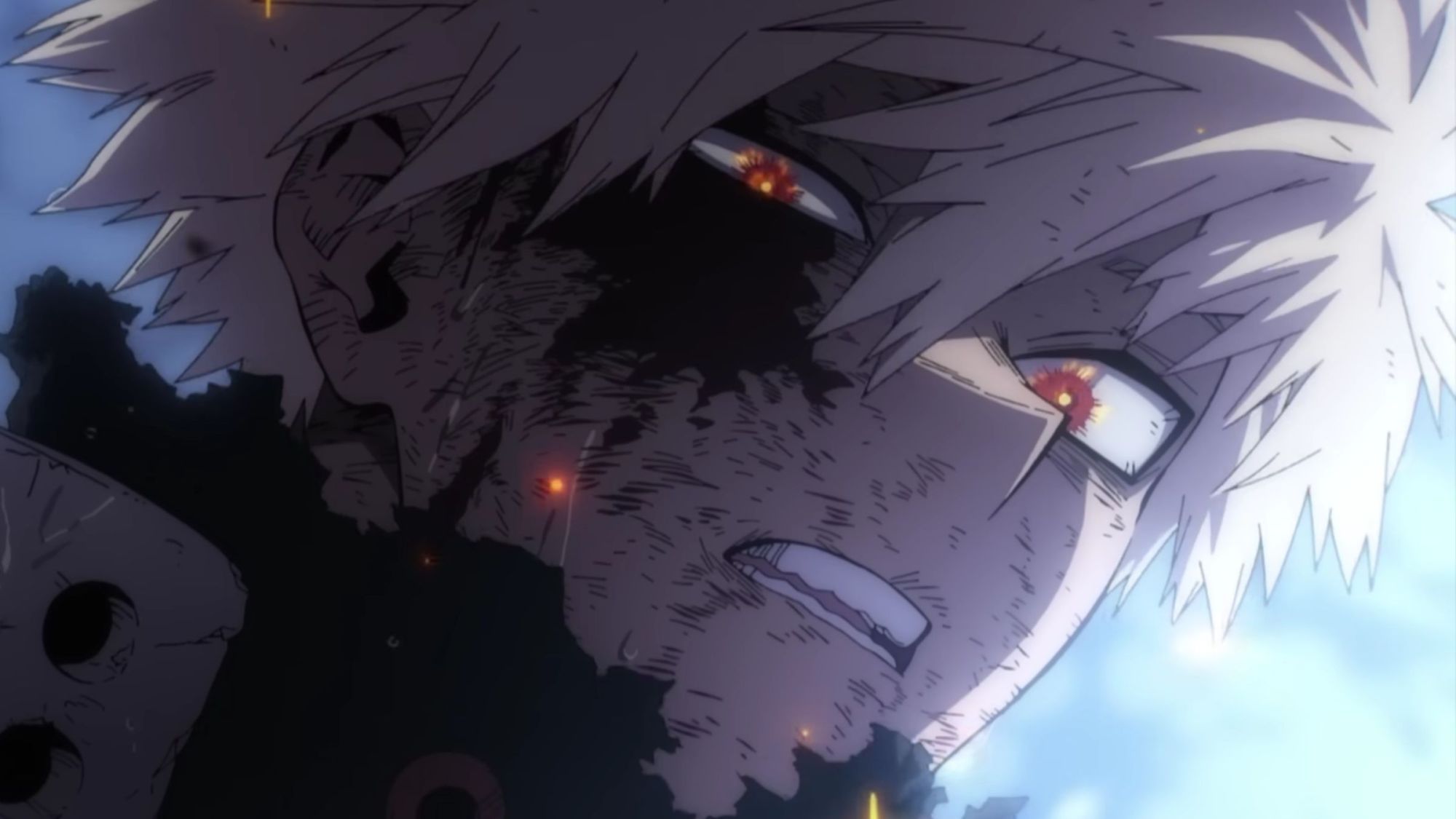
The parallels are profound. The school, U.A. High, functions much like the X-Men's Xavier Institute, training the next generation of heroes. The societal fear and discrimination against those with dangerous or undesirable Quirks mirror the mutant metaphor. Characters like the explosive Katsuki Bakugo and the gravity-defying Ochaco Uraraka embody the classic superhero team dynamic, learning to harness their unique powers and work together against threats that range from street-level villains to apocalyptic forces, much like a Marvel crossover event.
One-Punch Man: A Deconstruction of Ultimate Power
What Happens When Victory Becomes Boring?
Marvel has characters of immense power, like the Sentry or Captain Marvel, but One-Punch Man takes this concept to its logical, and comedic, extreme. The protagonist, Saitama, is a hero who can defeat any opponent with a single punch. His journey is not about becoming stronger, but about coping with the existential boredom and lack of recognition that comes from absolute, effortless power.
This series brilliantly deconstructs the very superhero tropes that Marvel helped popularize. The Hero Association, with its rigid ranking system and public relations focus, satirizes bureaucratic and corporate aspects of superhero culture. Saitama's nonchalant demeanor contrasts sharply with the dramatic, life-or-death struggles of other heroes, offering a witty critique of the genre while still delivering spectacular, over-the-top action sequences that would feel at home in a comic book splash page.
Attack on Titan: Moral Ambiguity and the Cost of Survival
A Grim Reflection on War and Identity
While tonally darker than most mainstream Marvel fare, Attack on Titan shares a deep engagement with themes of inherited trauma, the cyclical nature of violence, and the blurred line between hero and monster. Humanity is besieged by giant humanoid Titans, forced to live behind massive walls. The story follows Eren Yeager and his friends as they join the military to fight back, uncovering horrifying truths about their world.
The series explores the psychological burden of power in a way that resonates with characters like the Hulk or the Winter Soldier. Characters wield incredible, Titan-shifting abilities at great personal and moral cost. The political intrigue, shifting alliances, and revelations that reframe the entire conflict mirror the complex, decades-long storylines of Marvel comics, where friends can become enemies and foundational truths are constantly questioned. It is a story about the heavy price of freedom.
Mob Psycho 100: Power, Growth, and Emotional Integrity
Strength Measured in Emotional Percentages
Created by the same artist as One-Punch Man, Mob Psycho 100 approaches superhuman power from a different, more psychological angle. The protagonist, Shigeo 'Mob' Kageyama, is an immensely powerful psychic (or 'esper'). However, the series is less about his battles and more about his struggle to live a normal life, develop his personality, and connect with others despite his overwhelming abilities.
This focus on internal growth over external conflict will appeal to fans of Marvel characters like Spider-Man, who constantly balances his heroic duties with personal life. Mob's power is directly tied to his emotional state, quantified by a percentage meter. The narrative argues that true strength lies in empathy, self-improvement, and protecting everyday happiness—a theme central to many of Marvel's most human stories. The action, when it comes, is creatively spectacular and deeply character-driven.
Jujutsu Kaisen: A System of Cursed Energy and Sacrifice
Battling the Monsters Born from Human Negativity
Jujutsu Kaisen presents a hidden world where sorcerers combat 'Curses,' monstrous beings born from the negative emotions and fears of humanity. The protagonist, Yuji Itadori, becomes the host for Sukuna, a legendary and malevolent 'Curse,' and must navigate a dangerous world of jujutsu sorcery while trying to maintain control. The power system is rigid, dangerous, and often requires severe personal sacrifice.
This framework will feel familiar to fans of Marvel's Doctor Strange or Ghost Rider, where magic and supernatural pacts come with strict rules and heavy prices. The series features a dynamic cast of sorcerers with unique, well-defined techniques, operating within a structured organization—echoing the hierarchy of groups like S.H.I.E.L.D. or the Avengers. The action choreography is fast, brutal, and inventive, emphasizing tactical thinking alongside raw power, much like a well-planned comic book battle.
Chainsaw Man: Raw Instinct and Subversive Desires
A Brutal, Unfiltered Take on the Monster Hero
Chainsaw Man is a visceral, chaotic, and deeply subversive series that reimagines the concept of a hybrid hero. Denji, a poverty-stricken young man, merges with his pet devil, Pochita, to become Chainsaw Man, a being who can transform parts of his body into chainsaws. His motivations are starkly simple and human: he wants to eat good food, touch a girl, and live a decent life.
This crude, survivalist drive provides a stark contrast to the often-noble ideals of classic superheroes, yet it feels like a raw, unfiltered version of a character like Wolverine—driven by base instincts and a brutal power. The world is governed by contracts with Devils, creatures born from human fears, creating a cynical power structure. The series' willingness to break conventions, embrace graphic violence, and explore bleak humor offers a distinct flavor that captures the edgier, more mature corners of the comic book spectrum.
Cyberpunk: Edgerunners and the Enhanced Anti-Hero
When Technological Power Leads to Self-Destruction
This standalone anime series, set in the universe of the *Cyberpunk 2077* video game, tells a complete story of ambition, augmentation, and tragedy. It follows David Martinez, a street kid who rises in the criminal underworld of Night City by installing increasingly dangerous cybernetic enhancements. The series is a masterclass in a tight, impactful narrative about the cost of power.
Marvel fans of characters like Iron Man, Punisher, or the cybernetically enhanced Deathlok will find familiar ground here. The story explores the physical and psychological toll of enhancement, the blurring of humanity with machinery, and the futile pursuit of legacy in a corrupt, corporatized world. It's a gritty, neon-soaked tale where the line between hero and outlaw is nonexistent, and the pursuit of power is almost always a one-way street to a tragic, yet spectacular, end. The scale is personal, but the stakes feel immense.
Integrating the Global Perspective
How Eastern and Western Narratives Reflect Universal Themes
The resonance between these anime and Marvel stories underscores that the appeal of superhero narratives is not confined by geography. They tap into universal human fascinations: the desire for agency, the fear of the other, the dream of rising above limitations, and the anxiety over uncontrollable power. Different cultures simply filter these themes through their own artistic and philosophical lenses.
Japanese anime often employs longer-form serialization, allowing for deeper exploration of a core cast's psychological development over hundreds of episodes. American comics, while also serialized, frequently revolve around a larger, constantly shifting universe with multiple ongoing titles. Both approaches create vast lore. This cross-pollination of ideas enriches the global pop culture landscape, proving that a great story about what it means to be powerful, and human, can come from anywhere and resonate everywhere.
A Gateway to New Worlds
Starting Your Exploration
For a Marvel fan curious about anime, the entry point depends on what you value most in a story. If you love the classic superhero journey and team dynamics, My Hero Academia is the most direct bridge. If you enjoy philosophical deconstruction and satire, begin with One-Punch Man. For those drawn to complex moral worlds and epic, unfolding mysteries, Attack on Titan or Jujutsu Kaisen are compelling choices.
It is important to note that, according to the source material from comicbook.com, this list represents a curated selection of seven series known for their strong thematic links. The anime medium is vast, with countless other titles exploring similar ideas in unique ways. The key is to approach them not as substitutes, but as complementary explorations of the grand ideas that make superhero stories perpetually compelling. The specific viewing availability for these series on streaming platforms is not detailed in the source facts.
Perspektif Pembaca
The conversation around superhero narratives is evolving as global influences blend. Which of the core themes common to both Marvel and these anime series do you find most compelling in today's world?
Is it the classic struggle of responsibility that comes with power, the exploration of societal discrimination against the 'other,' or the personal cost and psychological toll of being extraordinary? Share your perspective on which of these timeless conflicts feels most relevant to contemporary storytelling and why.
#Anime #MarvelComics #MyHeroAcademia #OnePunchMan #SuperheroAnime #AnimeRecommendations


