

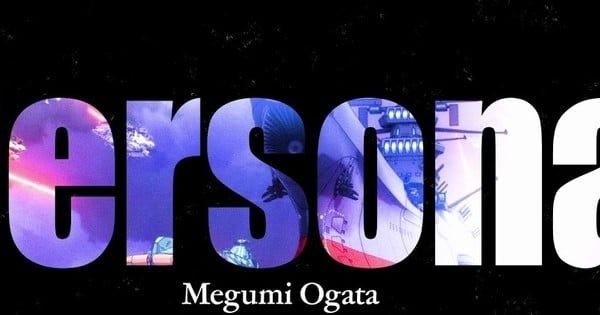
Voice Actress Megumi Ogata Returns to Space Battleship Yamato with Ending Theme for 'Rebel 3199'

📷 Image source: animenewsnetwork.com
A Legendary Voice Returns to a Legendary Ship
Megumi Ogata's Musical Contribution to the Yamato Saga
The enduring space opera franchise Space Battleship Yamato has announced a significant musical homecoming for its upcoming fifth film. Veteran voice actress and singer Megumi Ogata will perform the ending theme song for 'Space Battleship Yamato 3199: Be Forever Yamato Part 5 - Rebel 3199', according to the official announcement reported by animenewsnetwork.com on 2026-02-21T05:38:18+00:00. This marks a notable return for Ogata to the Yamato universe, a series where her vocal talents have previously left a lasting impression.
Ogata is renowned for her iconic voice roles in major anime series, including Shinji Ikari in Neon Genesis Evangelion and Yuta Okkotsu in Jujutsu Kaisen. Her involvement adds a layer of nostalgic weight for long-time fans, connecting the new chapter to the franchise's storied history. The specific title of the ending theme song has not been disclosed in the initial announcement, creating anticipation for what musical tone Ogata will bring to this climactic installment.
Decoding 'Rebel 3199' and the 'Be Forever' Arc
Understanding the Film's Place in the Yamato Timeline
The film's full title, 'Space Battleship Yamato 3199: Be Forever Yamato Part 5 - Rebel 3199', requires some unpacking for those less familiar with the series' recent trajectory. 'Yamato 3199' refers to the overarching remake/sequel series that began with 'Yamato 2202' and continues the story from the classic 1970s anime. This new iteration reimagines and expands the original narrative with modern animation and deeper plot developments.
The 'Be Forever Yamato' subtitle is a direct callback to the second Yamato film released in 1980, which presented an alternate reality story. In the current 3199 series, 'Be Forever Yamato' denotes a major story arc, with 'Rebel 3199' serving as the fifth and final chapter within that arc. This structure indicates the film will conclude a significant phase of the saga, raising stakes for the crew of the iconic spacecraft and making Ogata's ending theme a potential emotional capstone.
Ogata's History with the Final Frontier
From Crew Member to Musical Voice
Megumi Ogata's connection to Space Battleship Yamato is not new. In the earlier 'Yamato 2202: Warriors of Love' series, she voiced the character Ryu Hijikata, a younger brother to a key officer and a crew member aboard the battleship Akira. This role integrated her directly into the narrative fabric of the remake series, giving her a personal stake in the characters' struggles across time and space.
Her transition from voice actor within the series to performer of an ending theme represents a shift from character embodiment to providing the series' musical commentary. This dual involvement is relatively rare and suggests the producers see her artistic interpretation as uniquely suited to concluding this chapter. It bridges the internal world of the story with an external, reflective musical piece, likely designed to resonate with viewers after the film's final scene.
The Role of Music in the Yamato Legacy
More Than Just Background Sound
Music has always been a cornerstone of the Space Battleship Yamato identity, arguably as iconic as the ship's wave-motion gun. The original series' opening theme, 'The Universe Battleship Yamato', composed by Hiroshi Miyagawa, is a legendary anthem in anime history. Ending themes, meanwhile, have often served to provide emotional reflection, processing the epic and sometimes tragic events of each episode or film.
Placing a veteran like Ogata in this role follows a tradition of selecting artists who can carry that emotional weight. The ending theme is the audience's final point of contact with the story before returning to reality, making its tone and performance critical. For a finale titled 'Rebel', the song could range from a somber ballad to a defiant, hopeful anthem, and Ogata's versatile singing voice is capable of delivering either.
A Franchise Built on Resurrection
Yamato's Enduring Cultural Voyage
The very existence of 'Yamato 3199' is a testament to the franchise's incredible resilience. Originally created by Yoshinobu Nishizaki and Leiji Matsumoto in 1974, the series faced cancellation, revival, and numerous retellings. The 2010s and 2020s saw a major resurgence with the 'Yamato 2199' and subsequent series, which successfully introduced the epic to new generations while honoring the original.
This cyclical pattern of renewal mirrors the ship's own journeys—constantly being rebuilt and relaunched against impossible odds. Each new production, like 'Rebel 3199', must balance innovation with reverence. Casting decisions and musical choices become part of this delicate act, linking past and present. Ogata's involvement is a nod to this continuity, leveraging her status as a bridge between classic 1990s anime fandom and today's audience.
The Voice Actor-Singer Dynamic in Modern Anime
A Common but Significant Crossover
Megumi Ogata performing a theme song is an example of a well-established industry practice where voice actors (seiyū) also release music. Many seiyū are trained as singers, and performing opening or ending themes for series they are involved in is a powerful marketing tool and artistic expression. It creates a synergistic link between the character and the song, enhancing fan engagement.
However, Ogata's case for 'Rebel 3199' is nuanced because she is not voicing a main character in this specific film arc. Her contribution is purely musical, which separates the song's identity from a specific character's perspective and potentially allows it to speak more broadly for the narrative. This distinguishes it from a character song and positions it as the authorial voice of the film itself, a significant responsibility entrusted to her.
Production Context and Anticipated Impact
Where 'Rebel 3199' Fits in the Industry Landscape
The announcement, as reported by animenewsnetwork.com, is a key piece of promotional material released months ahead of the film's premiere. Such news is strategically timed to build sustained interest within the anime community. For a franchise like Yamato, which has a dedicated but specific fanbase, securing a well-known talent like Ogata helps generate broader visibility and headlines.
The impact will be measured in several ways: immediate fan reaction on social media, pre-sales for soundtrack albums, and the ultimate emotional reception of the song in the context of the film's conclusion. A successful ending theme can live on far beyond the credits, becoming a staple in the artist's concert repertoire and a memorable part of the franchise's musical canon. For Ogata, it represents another notable credit in a decades-spanning career.
Comparative Glances: Sci-Fi Anime and Their Anthems
Yamato's Place in a Crowded Cosmos
The tradition of epic sci-fi anime with powerful theme songs is rich. From the choral grandeur of 'Cruel Angel's Thesis' for Evangelion to the rock anthems of various Gundam series, music defines the emotional scale of these universes. Space Battleship Yamato sits at the foundational tier of this tradition, its music often characterized by orchestral, naval-inspired majesty and profound lyrical themes of sacrifice and hope.
'Rebel 3199' enters a landscape where audiences expect high-quality musical production. Ogata's song will inevitably be compared not only to past Yamato themes but also to contemporary sci-fi anime endings. Its success may depend on its ability to feel both authentically Yamato—carrying that specific legacy of heroism and melancholy—and fresh enough to stand out in today's market. This balancing act is the creative challenge for the composer and Ogata alike.
Unanswered Questions and Future Revelations
What the Initial Announcement Leaves Open
The report from animenewsnetwork.com confirms the performer but leaves several key details for future updates. The title of the song, its composer, lyricist, and the musical arrangement style are all currently unknown. These elements will drastically shape expectations; a rock arrangement would signal a different tone than a classical or pop ballad.
Furthermore, it is not specified if Ogata will have any cameo voice role in the film itself, however minor. The marketing campaign will likely reveal these details gradually, possibly with a teaser of the song or a cover art release. Each subsequent announcement will build upon this foundation, with Ogata's name serving as an anchor of credibility and interest for both anime and music fans following the project.
The Broader Significance of a Closing Song
Why an Ending Theme Matters for Narrative Closure
In the structure of a film, especially one concluding a major story arc, the ending theme serves a vital narrative function. It is the auditory space where the emotional consequences of the plot are processed, both for the characters and the viewer. A well-chosen song can underscore themes of loss, victory, sacrifice, or resolve, cementing the film's message in the audience's memory.
For a series as thematically weighty as Yamato—dealing with war, extinction, love, and the cost of survival—this final musical note is crucial. By selecting Megumi Ogata, a performer with prior deep ties to the franchise and a recognized emotional range, the production committee signals their intent for a poignant, meaningful closure. The song becomes part of the story's legacy, a final transmission from the world of 3199 to the audience.
Perspektif Pembaca
The choice of ending theme performer often sparks lively debate among fans. For a franchise with as long and passionate a history as Space Battleship Yamato, musical continuity and evolution are constant topics.
What are your expectations for Megumi Ogata's ending theme for 'Rebel 3199'? Should it primarily honor the classic, orchestral sound of the original Yamato scores, or boldly redefine the franchise's musical identity for a new era? Share your perspective on what makes an anime ending theme truly memorable, especially for a concluding chapter of a major saga.
#SpaceBattleshipYamato #MegumiOgata #Yamato3199 #AnimeNews #EndingTheme


