

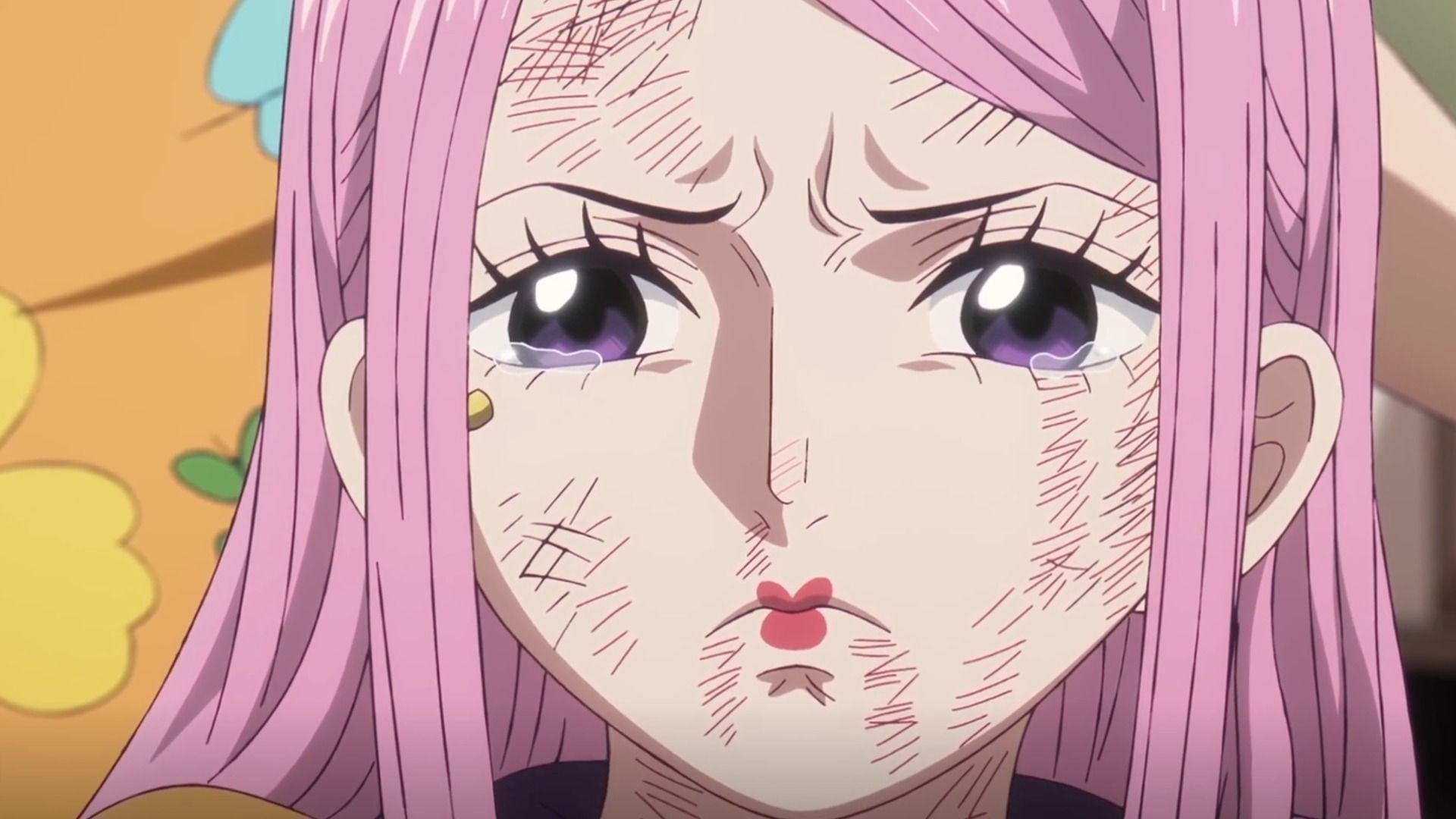
AI Meets Anime: How One Piece’s Latest Episode Ignited a Debate on the Future of Animation

📷 Image source: staticg.sportskeeda.com
A Scene That Divided Fans
The latest episode of *One Piece* opened with a sweeping shot of the Straw Hat Pirates’ ship cutting through turbulent waves. The animation was smooth, almost too smooth. The water shimmered with an unnatural gloss, and the characters’ movements lacked the subtle imperfections that fans had come to expect. For a franchise known for its hand-drawn charm, something felt off.
Within minutes, social media was ablaze. Had the studio cut corners? Or was this a deliberate—and controversial—step into the future of anime production?
The Nut Graf: AI’s Uncredited Role
According to sportskeeda.com, the episode’s unusual visuals were the result of artificial intelligence (AI)-assisted rendering, a cost-cutting technique that has quietly infiltrated the anime industry. The revelation, confirmed by eagle-eyed fans dissecting production credits, sparked a heated debate: Is AI a necessary tool for overworked animators, or a threat to the artistry of the medium?
The controversy highlights a growing tension in animation studios worldwide. As deadlines tighten and budgets shrink, AI tools promise faster turnaround times—but at what cost to the soul of the craft? For *One Piece*, a series with a 25-year legacy, the stakes are particularly high.
How AI Rendering Works in Anime
AI-assisted rendering typically involves algorithms that interpolate frames between key animations, reducing the need for manual in-between drawings. In simpler terms, the AI ‘guesses’ how a character should move from one pose to another, smoothing out motion with mathematical precision. This can slash production time and labor costs, especially for complex scenes like water or crowd effects.
However, the technology isn’t flawless. AI often struggles with organic imperfections—the slight wobble of a hand-drawn line or the idiosyncratic timing of facial expressions. In the *One Piece* episode, critics noted that fight sequences lost their visceral impact, with punches feeling weightless and predictable.
Who’s Affected? From Studios to Superfans
The implications ripple far beyond a single episode. For animation studios, AI offers a lifeline amid grueling schedules and staff shortages. Toei Animation, the studio behind *One Piece*, has not commented on the AI usage, but industry insiders speculate that pressure to maintain weekly releases may have forced their hand.
For animators, the tools could alleviate burnout—or render certain jobs obsolete. Meanwhile, fans are split. Purists argue that AI undermines the human touch that defines anime, while pragmatists welcome anything that keeps their favorite shows on air. ‘If it means no more hiatuses, I’ll take slightly weird water,’ tweeted one viewer.
The Trade-Offs: Speed vs. Soul
The *One Piece* episode lays bare the trade-offs of AI adoption. On one hand, studios gain efficiency; a scene that might take weeks can be completed in days. On the other, the ‘uncanny valley’ of overly polished animation risks alienating audiences. The episode’s backlash suggests that fans can spot—and reject—AI’s telltale sterility.
There’s also a creative cost. Anime’s global appeal hinges on its distinct aesthetic, from the exaggerated emotions of *Dragon Ball* to the haunting stillness of *Studio Ghibli* films. If AI homogenizes these styles, the medium could lose what made it special in the first place.
What We Still Don’t Know
Key questions remain unanswered. Was this a one-off experiment, or a sign of broader AI integration in *One Piece*? Toei Animation’s silence leaves room for speculation. Similarly, the exact AI tool used—and whether it was trained on the studio’s own artwork—is unclear. Without transparency, fears of plagiarism and ethical breaches linger.
Another unknown: How will Japan’s animation unions respond? If AI threatens jobs, labor pushback could stall its adoption. For now, the industry watches nervously, balancing innovation against tradition.
Winners & Losers
The *One Piece* debate reveals clear divisions. Winners include tech vendors pitching AI as a ‘solution’ to overworked studios, and fans who prioritize quantity over quality. Losers are traditional animators, whose painstaking craftsmanship may be devalued, and viewers who cherish anime’s handmade authenticity.
The biggest loser, however, could be trust. If studios hide their use of AI, as some allege happened here, they risk eroding goodwill with their most passionate audiences. ‘Anime thrives on fan loyalty,’ noted one critic. ‘Deceive them, and you’ll pay the price.’
Scenario Forecast: Where Does Anime Go From Here?
Three paths emerge. In the *best-case* scenario, AI becomes a collaborative tool—handling tedious tasks while humans focus on creativity. Studios establish clear guidelines, and fans embrace shorter wait times.
The *base-case* sees a fractured industry: blockbusters like *One Piece* rely increasingly on AI, while indie studios market ‘100% human-made’ anime as a premium product.
In the *worst-case*, cost pressures lead to rampant AI misuse, flattening animation into a soulless commodity. The key indicator? Whether studios like Toei address the controversy head-on—or let silence speak volumes.
Reader Discussion
Open Question: Should anime studios disclose when they use AI? Or is the technology just another uncredited tool, like CGI or digital coloring?
#OnePiece #AIinAnime #AnimationDebate #ToeiAnimation #AnimeIndustry


