

Beyond Edgerunners: The Sci-Fi Anime Universe Awaits While Cyberpunk Fans Hold Their Breath

📷 Image source: comicbook.com
The Cyberpunk Void and the Sci-Fi Bridge
How anime's rich catalog fills the anticipation gap for Edgerunners fans
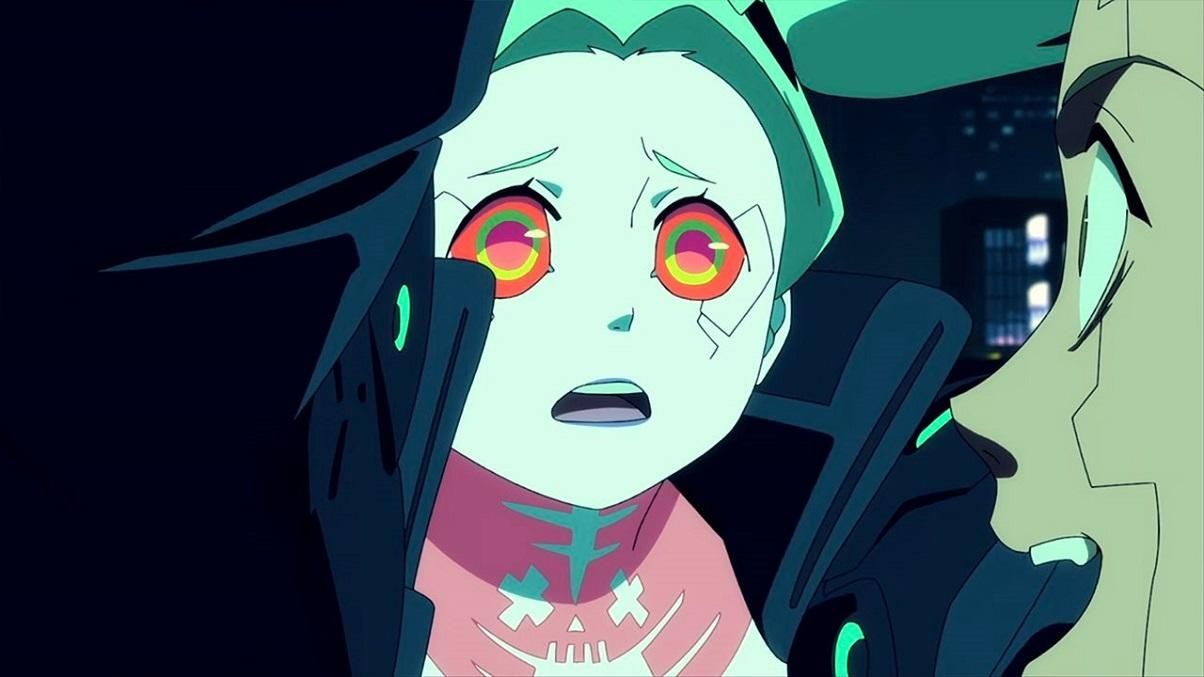
When Cyberpunk: Edgerunners dropped on Netflix in 2022, it didn't just become another anime adaptation—it became a cultural phenomenon that fused CD Projekt Red's dystopian vision with Studio Trigger's explosive animation style. The series earned such passionate acclaim that fans immediately began clamoring for more, creating that peculiar modern entertainment paradox: overwhelming success breeding impatient anticipation.
According to comicbook.com's August 30, 2025 report, while there's no official confirmation about Cyberpunk: Edgerunners Season 2, the streaming landscape offers numerous sci-fi anime alternatives that capture similar themes of technological dystopia, human augmentation, and corporate domination. The article serves as both a waiting room and a discovery zone for viewers who want to maintain that cyberpunk high while hoping for more from the Edgerunners universe.
This situation reflects a broader pattern in today's media consumption—the spaces between major releases become opportunities to explore entire genres rather than simply marking time. The sci-fi anime category particularly benefits from this dynamic because its themes of future societies, advanced technology, and human evolution remain perpetually relevant as our own world accelerates toward similar realities.
Ghost in the Shell: The Cyberpunk Blueprint
How a 1995 film continues to define the genre that Edgerunners inherited
When comicbook.com lists essential viewing for Cyberpunk: Edgerunners fans, Mamoru Oshii's Ghost in the Shell (1995) stands as what the report calls "the quintessential cyberpunk anime." This isn't just historical recognition—it's acknowledging that much of what makes Edgerunners compelling already existed in sophisticated form decades earlier. The film's exploration of identity, consciousness, and humanity's merger with technology established narrative and visual conventions that subsequent works, including Edgerunners, would build upon.
The technological concepts in Ghost in the Shell have proven remarkably prescient. Major Motoko Kusanagi's full-body prosthesis and cyberbrain interface imagined a world where the boundary between biological and artificial intelligence becomes blurred—a concept that resonates strongly with today's advancements in neural interfaces and prosthetic technology. In practice, we're seeing early versions of this with brain-computer interfaces being developed by companies like Neuralink, though the seamless integration depicted in anime remains decades away.
Industry standards for cyberpunk storytelling still reference Ghost in the Shell's philosophical depth alongside its action sequences. The film asks whether memories define humanity if they can be digitized, and whether consciousness can exist without a biological body—questions that have only grown more relevant with advancements in AI and virtual reality.
Psycho-Pass: The Predictive Justice System
When crime prevention becomes the ultimate form of control
Where Cyberpunk: Edgerunners explores how corporations control society through technology, Psycho-Pass presents a different dystopian model: government-controlled predictive policing. According to comicbook.com, this series offers "a thought-provoking look at a society where your mental state can be judged as criminal before you even commit a crime." The Sibyl System, which measures citizens' psychological propensity for criminal behavior, creates a world where pre-crime isn't just possible—it's the foundation of social order.
The technology behind Psycho-Pass touches on real-world developments in predictive analytics and AI risk assessment. Various justice systems already use algorithms to determine bail eligibility and sentencing recommendations, though none approach the comprehensive monitoring shown in the series. Typically, these systems analyze historical data to identify patterns associated with higher recidivism risk, but they've faced significant criticism for potentially encoding existing biases.
Psycho-Pass expands on cyberpunk themes by asking whether perfect safety is worth the loss of free will and privacy. The series explores how well-intentioned systems can become oppressive institutions, a relevant consideration as real-world governments implement increasingly sophisticated surveillance technologies in the name of public security.
Akira: The Explosive Origin of Modern Anime
How a 1988 film shaped everything that followed, including Edgerunners
comicbook.com notes that no sci-fi anime list would be complete without Akira, calling it "a landmark film that helped popularize anime in the West." This isn't mere historical acknowledgment—Katsuhiro Otomo's 1988 masterpiece established visual and narrative conventions that would influence countless subsequent works, including the cyberpunk genre that Edgerunners inhabits. The film's detailed neo-Tokyo setting, motorcycle gangs, and government conspiracies created a template for dystopian storytelling.
The technological vision in Akira remains striking decades later. The film's depiction of psychic powers as a form of advanced evolution rather than magic created a science fiction framework that many subsequent works adopted. The idea that human potential could be unlocked through scientific experimentation—with catastrophic consequences—resonates strongly with contemporary concerns about genetic engineering and human enhancement.
From an industry perspective, Akira's production represented a staggering achievement in traditional animation. The film utilized 160,000 individual cels and featured some of the most detailed background art ever created for animation at that time. This commitment to visual excellence set a standard that modern anime, including Edgerunners with its blend of 2D and 3D animation, continues to aspire to.
Cowboy Bebop: Space Noir with Cyberpunk Sensibilities
How a jazz-infused space western captures cyberpunk's existential themes
While not strictly cyberpunk, comicbook.com includes Cowboy Bebop on its list because it shares Edgerunners' "cynical view of the future and focus on outcast characters trying to survive." The series creates a universe where space travel is commonplace but human nature remains unchanged—a core sci-fi concept that aligns with cyberpunk's examination of how technology changes society without necessarily improving the human condition.
The technological world of Cowboy Bebop feels remarkably grounded despite its futuristic setting. Spaceships require maintenance, bounty hunting depends on outdated information networks, and characters struggle with obsolete technology—all elements that make the world feel lived-in rather than fantastically advanced. This approach to world-building influenced numerous subsequent works, including how Edgerunners portrays Night City as both technologically advanced and decaying simultaneously.
Cowboy Bebop's international appeal demonstrates how anime can blend cultural elements into something universally accessible. The series incorporates jazz, film noir, westerns, and Hong Kong action cinema into a distinctive style that helped expand anime's global audience—paving the way for later successes like Edgerunners to find international streaming success.
Neon Genesis Evangelion: Psychological Depth Meets Mecha
How human trauma became as important as giant robots in sci-fi anime
comicbook.com describes Neon Genesis Evangelion as "a deconstruction of the mecha genre that delves deep into psychological trauma," making it essential viewing for Edgerunners fans who appreciate complex character development alongside spectacular action. While not cyberpunk in the traditional sense, Hideaki Anno's landmark series shares Edgerunners' interest in how psychological damage manifests in high-stakes environments and how institutions manipulate individuals for their own purposes.
The Evangelion units themselves represent a fascinating technological concept—biological mechs that require psychic synchronization with their pilots. This fusion of organic and mechanical elements creates a unique take on human-machine interface that differs from cyberpunk's focus on augmentation but explores similar themes of identity and transformation under technological pressure.
From an industry impact perspective, Evangelion revolutionized how anime could approach mature themes and complex characterization. The series demonstrated that audiences would embrace challenging psychological content alongside spectacular action sequences—a balance that Edgerunners also achieves with its portrayal of David Martinez's psychological descent amid cybernetic enhancement.
Serial Experiments Lain: Prescient Internet Anxiety
How a 1998 series predicted social media's impact on identity
According to comicbook.com, Serial Experiments Lain offers "a surreal and haunting look at the blurring lines between reality and the digital world" that feels increasingly relevant decades after its release. The series explores how connectivity affects human consciousness and identity—themes that align with cyberpunk's interest in technology's psychological impact, even if Lain approaches them through a more philosophical lens than Edgerunners' action-oriented style.
Lain's vision of the Wired—a global communications network that becomes a space for consciousness itself—anticipated concerns about social media, virtual identity, and digital existence that have become central to contemporary discourse. The series asks whether online personas constitute real identity and how constant connectivity affects our sense of self, questions that have only grown more urgent with the rise of social media and virtual reality.
Technologically, Lain presents a fascinating alternative to cyberpunk's usual focus on hardware and augmentation. Instead, the series explores how software and networks might transform human experience—a perspective that complements rather than replicates Edgerunners' bodily-focused cybernetic enhancements.
The Expanded Universe: Beyond the Top Tier
How deeper cuts in sci-fi anime offer varied approaches to future visions
Beyond the highlighted titles, comicbook.com's list includes several other series that offer different perspectives on sci-fi and cyberpunk themes. Ergo Proxy presents a post-apocalyptic world where androids develop human-like consciousness, exploring similar questions about artificial life as Edgerunners does with its various AIs and constructs. The series' philosophical depth and Gothic aesthetic provide a different tonal approach to dystopian storytelling.
Texhnolyze offers what might be the most bleak cyberpunk vision on the list, depicting a decaying underground city where cybernetic enhancements become necessary for survival but ultimately contribute to societal collapse. The series shares Edgerunners' interest in how technological augmentation affects both individuals and society, but presents a much more pessimistic view of whether humanity can maintain its essence through technological transformation.
From an industry perspective, this diversity of approaches demonstrates anime's ability to explore similar themes through different genres and visual styles. The medium's flexibility allows creators to approach cyberpunk concepts through action, philosophy, horror, or drama—giving viewers multiple entry points to ideas about technology's impact on humanity.
The Streaming Effect: How Access Shapes Discovery
Why now is the golden age for exploring anime's sci-fi catalog
The comicbook.com article exists within a specific media environment: the streaming era that has dramatically increased access to anime worldwide. Where previous generations might have struggled to find these titles outside of specialty stores or fan-submitted VHS tapes, current viewers can access decades of sci-fi anime through services like Netflix, Crunchyroll, and Hulu. This accessibility transforms how audiences engage with the genre—instead of waiting passively for new content, they can actively explore related works while anticipating sequels.
This availability has commercial implications for the anime industry. Older titles find new audiences, creating revenue streams that support preservation and restoration efforts. The 4K remaster of Ghost in the Shell, for instance, introduced the film to viewers who might only know newer cyberpunk works like Edgerunners, creating continuity between generations of anime fans.
For creators, this expanded catalog provides both inspiration and pressure. New series exist in conversation with decades of prior work, allowing for sophisticated references and evolution of ideas but also raising audience expectations for originality and quality. Edgerunners itself benefited from this tradition while adding its distinctive style to the cyberpunk canon.
The Cultural Conversation: Why Sci-Fi Anime Matters Beyond Entertainment
How Japanese animation helps us process technological change
The enduring appeal of sci-fi anime, from classics like Akira to recent hits like Edgerunners, reflects something deeper than entertainment preference. These works provide frameworks for understanding rapid technological change and its societal implications. Japan's unique historical position—experiencing both nuclear devastation and technological economic miracle—informs a distinctive perspective on technology's dual potential for destruction and advancement.
Anime often explores technological themes through personal stories rather than abstract concepts. David Martinez's journey in Edgerunners becomes a vehicle for examining how enhancement might affect identity; Major Kusanagi's investigation in Ghost in the Shell questions what constitutes consciousness; the Sibyl System in Psycho-Pass challenges our definitions of justice. This character-focused approach makes complex ideas accessible and emotionally resonant.
Globally, anime has become a significant cultural export that shapes how international audiences think about technology's future. The cyberpunk aesthetic popularized through anime influences everything from fashion to architecture to product design, demonstrating how speculative fiction can eventually shape reality. As our world increasingly resembles these fictional futures, these works become not just entertainment but valuable thought experiments about the path ahead.
#CyberpunkEdgerunners #GhostInTheShell #SciFiAnime #AnimeRecommendations #Cyberpunk


