

CloverWorks' Unstoppable Rise: How a Studio Redefined Modern Anime

📷 Image source: comicbook.com
The Quiet Revolution in Anime Production
From Subsidiary to Stylistic Powerhouse
If you've watched anime in the last five years, you've almost certainly felt the hand of CloverWorks. This isn't just another animation studio; it's become a seal of quality, a promise of a certain kind of emotional depth and visual polish that hooks viewers worldwide. But how did a studio, which only officially adopted its name in 2018, climb to such prestige so fast?
According to a ranking by comicbook.com on August 21, 2025, the studio's output, including massive hits like 'Spy x Family' and 'Horimiya,' represents some of the most essential viewing in contemporary animation. Their journey began as a subsidiary of the legendary A-1 Pictures, a satellite studio handling specific projects. It was a classic corporate maneuver to increase production capacity, but something unique happened. CloverWorks didn't just become a workhorse; it developed a distinct identity, one characterized by meticulous character acting, expressive facial animation, and a deft touch with both high-octane action and quiet, intimate drama.
This identity is what separates them. In an industry often criticized for tight schedules, overworked animators, and inconsistent quality, CloverWorks projects consistently feel finished, deliberate, and lovingly crafted. They've managed to balance the commercial demands of blockbuster franchises with the artistic integrity of original projects, a tightrope walk that has cemented their reputation.
Deconstructing the CloverWorks Formula
More Than Just Pretty Pictures
So what exactly is the 'CloverWorks touch'? It's not one single thing but a combination of technical prowess and narrative sensibility. On a technical level, their work is known for incredibly fluid motion, especially in action sequences that need to feel weighty and impactful. Look at the frantic, acrobatic combat in 'Spy x Family' or the explosive magical girl transformations in 'Wonder Egg Priority.' There's a physicality to the movement that many studios struggle to achieve.
But their true genius often lies in the quieter moments. They excel at what animators call 'ma'—the negative space, the pause, the subtle glance that conveys volumes. A scene of two characters simply sitting in a room can be as gripping as a car chase because of the painstaking attention to detail in a character's slight slump of the shoulders, a hesitant hand movement, or a fleeting change in their eyes. This hyper-focus on micro-expressions builds a profound connection between the character and the viewer, making their joys and sorrows feel intensely personal.
This approach requires a specific kind of talent. The studio has cultivated and attracted key animators and directors who specialize in this character-centric animation. It’s a style that prioritizes emotional truth, often using the camera to focus intimately on characters' faces during pivotal dialogues, forcing the audience to sit with their feelings. This isn't just a stylistic choice; it's a narrative one that makes their adaptations of romance and slice-of-life manga feel exceptionally authentic.
The Crown Jewels: A Tour of Essential Viewing
While their entire catalog is impressive, certain titles have become landmarks, defining both the studio's legacy and modern anime trends. According to comicbook.com's list, these are the titles you can't afford to miss.
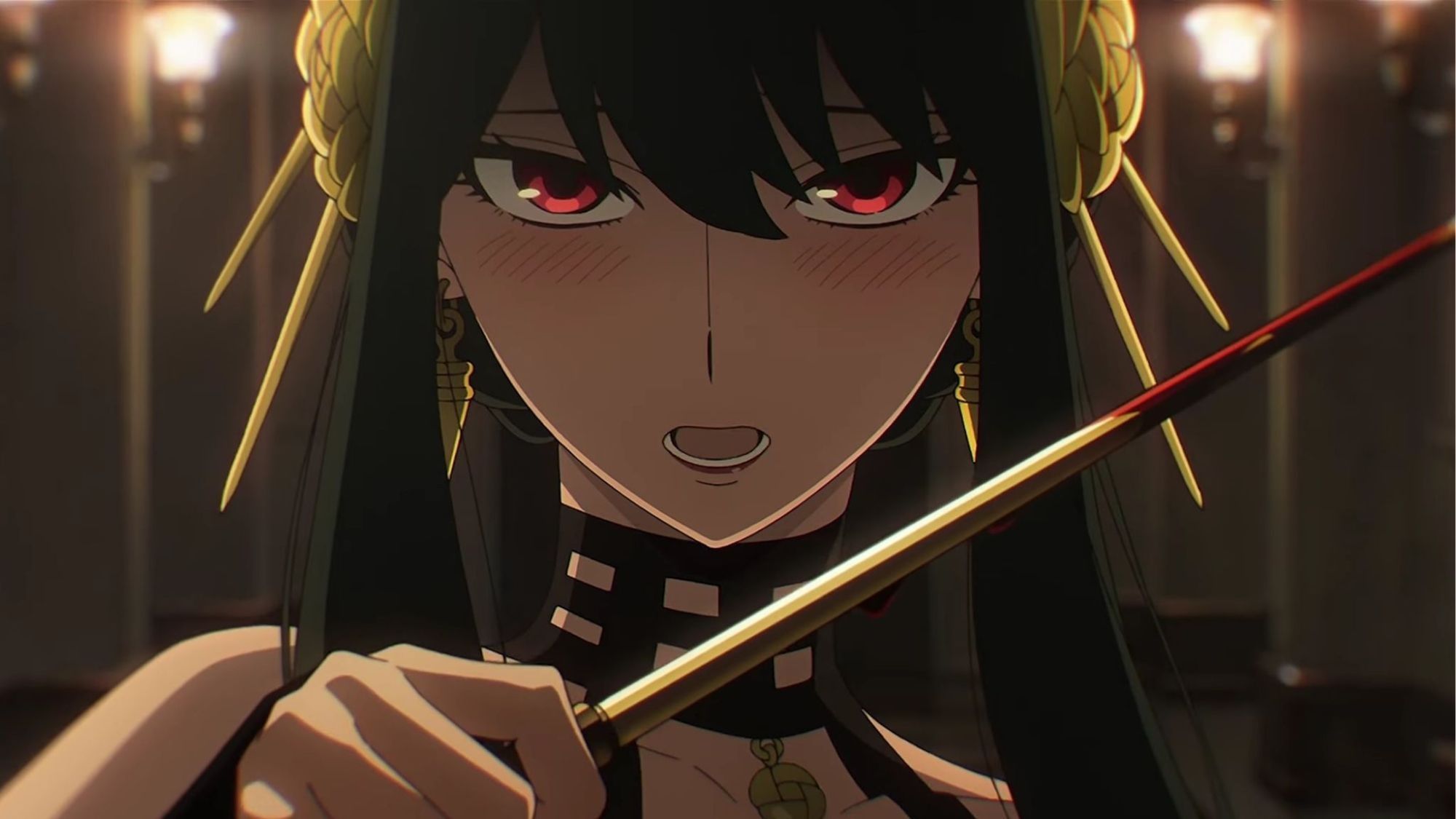
'Spy x Family' is arguably their biggest global phenomenon. It’s a perfect storm of a fantastic original manga, a universally appealing premise (a fake spy family that becomes a real one), and execution that amplifies every joke and heartfelt moment. CloverWorks, co-producing with Wit Studio, nails the tonal balance between slick espionage thriller and warm family comedy. The animation gives Loid's missions a cinematic flair while rendering Anya's chaotic chibi freakouts with hilarious precision.
'Horimiya' is a masterclass in adapting romance. The series condensed a long-running manga into a single, tight season, focusing on the core relationship between Kyoko Hori and Izumi Miyamura. CloverWorks' adaptation was celebrated for its pacing, its gorgeous color palette, and its ability to capture the awkward, tender, and downright giddy moments of teenage love. It set a new benchmark for romance anime, proving that a story doesn't need fantastical stakes to be utterly compelling when the character animation is this good.
'Bocchi the Rock!' came out of nowhere to become a cultural moment. It’s a show about crippling social anxiety that is somehow both painfully relatable and explosively funny. The studio's creativity went into overdrive here, using a vast arsenal of visual gags—claymation, live-action footage, video game parody UIs—to visualize the main character's internal panic. It demonstrated that CloverWorks isn't just about polished drama; it has a brilliant, unhinged comedic voice too.
Other list-toppers include the beautiful and melancholic 'The Promised Neverland' (Season 1, before production issues arose with its sequel), the visually stunning and philosophically dense 'Wonder Egg Priority,' and the charming fairy tale romance of 'Snow White with the Red Hair.' Each title showcases a different facet of the studio's versatile skill set.
The Engine Room: Production Realities and Industry Impact
The Business Behind the Magic
Anime is a business, and CloverWorks' success has significant ripple effects throughout the industry. The studio operates within the Aniplex/Sony Music Japan ecosystem, which provides a stable financial backing many independent studios lack. This connection to a major production committee often means they get first crack at adapting hot properties from publishers like Shueisha and Square Enix.
Their rise has also impacted the talent market. A CloverWorks credit on a resume is now a mark of prestige, attracting top-tier animators, directors, and writers who want to work on high-profile, well-produced projects. This creates a virtuous cycle: great talent makes great shows, which builds the studio's reputation, which attracts more great talent. However, this also contributes to the industry's wider talent concentration issue, where a handful of elite studios hoard the best freelancers.
In terms of market size, a hit like 'Spy x Family' is a multi-billion yen enterprise. It moves manga volumes, sells Blu-ray boxes, moves merchandise, and drives subscriptions to streaming platforms like Crunchyroll and Netflix. The studio isn't just creating art; it's creating powerful economic engines. Their consistent quality assures investors that a project is in safe hands, making it easier to greenlight ambitious or unconventional ideas.
For the global audience, CloverWorks has become a key driver of anime's mainstream acceptance. Their shows are frequently among the most-watched on streaming services, appealing to both hardcore fans and casual viewers with their high production values and accessible, character-driven stories.
The Shadow Side: Challenges and Controversies
Not Everything Is Rosy in the Garden
For all its acclaim, CloverWorks' path hasn't been completely smooth. The studio's history provides a clear case study of the immense pressures inherent in anime production. The most cited example is the second season of 'The Promised Neverland.' The first season was a critical and commercial darling, praised for its tense direction and chilling atmosphere. The second season, however, became infamous for its rushed pacing, drastic condensation of the source material, and controversial original ending that left fans and critics deeply disappointed.
This incident highlighted the brutal production committee system. While CloverWorks was the animation studio, the decisions regarding story pacing and content were likely heavily influenced by the publishers and producers on the committee, who control the schedule and budget. The animators are often at the mercy of these external pressures, tasked with making an unworkable timetable somehow work. The very public failure of 'The Promised Neverland' Season 2 was a stark reminder that no studio is immune to the industry's structural problems.
Another project, 'Wonder Egg Priority,' started as a stunning original anime praised for its unique visual style and complex themes. However, the production reportedly buckled under its own ambition. The final episode was delayed, and a special was later released to try to tie up the convoluted plot, but many viewers found the conclusion unsatisfying and rushed. These cases serve as a cautionary tale about the risks of original projects with unstable production schedules and the immense difficulty of sticking the landing on a complex narrative.
These stumbles are not unique to CloverWorks; they are systemic industry issues. But they show that even a top-tier studio operates on a knife's edge, constantly balancing artistic ambition with commercial realities and punishing deadlines.
Beyond Japan: CloverWorks' Global Resonance and Specific Appeal in Indonesia
The impact of CloverWorks isn't confined to Japan; it's a global phenomenon with particular resonance in Southeast Asia, especially in a massive market like Indonesia. Indonesia has one of the world's largest and most passionate anime fanbases. Platforms like Netflix, Crunchyroll, and local service Vidio have made these shows instantly accessible.
A show like 'Horimiya' resonates deeply with Indonesian youth. The themes of navigating social circles, school life, and the complexities of young love are universal, but they find a special foothold in Indonesia's own vibrant and socially conscious youth culture. The romance feels real and grounded, avoiding the over-the-top tropes that can sometimes alienate broader audiences. It's the kind of show that gets discussed extensively on social media platforms like Twitter (X) and Instagram, with Indonesian fans creating a torrent of fan art, memes, and heartfelt commentary.
'Spy x Family' has a broader, family-friendly appeal. Its core theme of 'found family' transcends cultural barriers. In Indonesia, where family values are central, the story of Loid, Yor, and Anya building a life together despite their secrets strikes a powerful chord. It's a show that parents might watch with their teenagers, something that's still relatively rare for anime. Furthermore, the character of Anya has become an iconic meme figure, her expressions and catchphrases ('Waku waku!') permeating online discourse.
'Bocchi the Rock!' taps into the global experience of social anxiety, a topic that is being discussed more openly in Indonesia. Viewers see their own struggles reflected in Hitori Gotoh's exaggerated yet painfully relatable panic, making them feel seen. The show's celebration of music and finding your tribe also aligns with the growing indie music scene in cities like Jakarta and Bandung. The appeal is clear: CloverWorks creates characters that feel human first and anime characters second, allowing for a powerful and direct connection with international audiences regardless of nationality.
The Road Ahead: Future Projects and Lasting Influence
So, what's next for a studio that seems to be at the peak of its powers? The future looks busy. They are often rumored to be involved in future seasons of their biggest hits—'Spy x Family' is an ongoing manga sensation, and fans are desperately awaiting a new season of 'Horimiya' to adapt the 'Horimiya: Piece' chapters. The demand is there, and the studio has proven it can deliver.
Their continued work will also be a bellwether for the industry's health. Can they maintain their quality without burning out their staff? Can they navigate the production committee system to secure better schedules for their teams? The answers to these questions will influence not just CloverWorks but the standards for the entire industry.
Their lasting influence is already evident. They've helped prove that character-driven stories can be global blockbusters. They've raised the bar for what audiences expect from animation quality in TV series, blurring the line between TV anime and cinematic production. A new generation of animators is growing up inspired by the work done at this studio, ensuring that its stylistic and narrative lessons will be felt for years to come.
CloverWorks emerged from the shadow of its parent company not by reinventing the wheel, but by perfecting it. They focused on the fundamentals of storytelling—compelling characters, emotional honesty, and visual excellence—and in doing so, they didn't just make great anime; they helped define what great anime means in the 2020s.
Beyond the Top 10: A Deeper Dive into the Catalog
Hidden Gems and Cult Classics
While lists focus on the biggest hits, CloverWorks' strength is also evident in its more niche or challenging titles. Shows like 'Slow Loop,' a gentle iyashikei (healing) anime about girls bonding over fishing, showcase the studio's ability to find beauty and narrative depth in calm, everyday activities. The animation captures the tranquility of a riverbank and the subtle joy of a catch with the same care it gives to a spy thriller.
'Persona 5: The Animation' was a tough adaptation, tasked with condensing a 100-hour video game into a coherent series. While it had its critics, CloverWorks' work on the stylish action sequences and the iconic 'All-Out Attack' visuals demonstrated their ability to handle established, stylized franchises and translate a game's unique feel into animation.
Even a project like 'Fairy Gone,' an original anime with a mixed reception, is notable for its ambitious world-building and dark, gritty aesthetic. It showed the studio's willingness to take risks on original properties, even if they don't all become runaway successes. This diversity proves that CloverWorks is not a one-trick pony; it's a versatile production house capable of tackling a wide array of genres, each with a tailored approach that highlights its core strength: making characters feel alive on screen.
Exploring these less-hyped titles gives a fuller picture of the studio's artistic range and its commitment to projects its teams are passionate about, not just the guaranteed hits. This depth is what truly cements a studio's legacy, building a catalog that fans can explore for years to discover new favorites.
#CloverWorks #AnimeStudio #SpyxFamily #Animation #AnimeProduction #WonderEggPriority


