

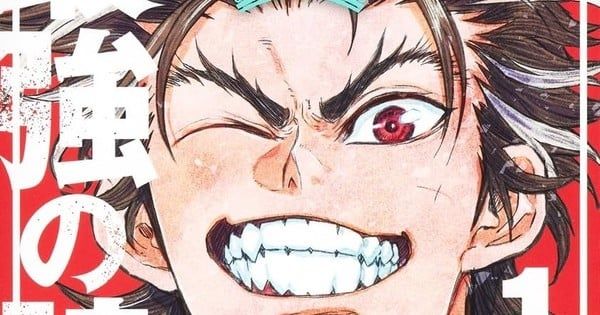
Final Whistle: Daisuke Miyata's Rugby Rumble Manga to Conclude After Seven-Year Run

📷 Image source: animenewsnetwork.com
The Announcement
A Sudden Conclusion for a Long-Running Series
The manga world received unexpected news this week as Daisuke Miyata's sports series Rugby Rumble will conclude in just three more chapters. According to animenewsnetwork.com, the announcement came via the manga's official channels, revealing that the story that has run for seven years will reach its definitive ending sooner than many anticipated.
This development marks a significant moment for readers who have followed the journey of protagonist Haruto Yamada and his teammates. The series, known for its intense rugby action and character development, will wrap up its narrative arcs in the coming issues of Weekly Shōnen Magazine, where it has been serialized since its debut.
Understanding Rugby Rumble's Legacy
Seven Years of Scrums and Storylines
Rugby Rumble first appeared in Weekly Shōnen Magazine in 2018, introducing readers to the physically demanding world of rugby union through the eyes of determined athletes. The manga distinguished itself by focusing on a sport less commonly featured in Japanese comics compared to baseball or soccer, bringing attention to rugby's strategic depth and physical intensity.
The series follows Haruto Yamada, a high school student who discovers rugby and gradually transforms into a skilled player through rigorous training and competitive matches. Miyata's artwork effectively captured the dynamic movement and impact of rugby, from powerful tackles to strategic set pieces like scrums and line-outs, making the sport accessible to readers unfamiliar with its rules.
Miyata's Creative Journey
From Debut to Conclusion
Daisuke Miyata began his manga career as an assistant to established artists before launching Rugby Rumble as his first major serialized work. His background in sports manga is evident in the technical accuracy of the rugby depictions and the emotional weight given to both matches and character interactions. The series represents a significant portion of his professional output to date.
Throughout its run, Miyata maintained a consistent publication schedule despite the physical demands of creating a weekly manga. The artist often shared insights into his creative process, including research trips to actual rugby matches and consultations with players to ensure authentic representation of the sport's techniques and culture.
The Sports Manga Landscape
Rugby's Place in Japanese Comics
Sports manga represents a substantial segment of Japan's publishing industry, with series like Captain Tsubasa (soccer) and Slam Dunk (basketball) achieving international recognition. Rugby-themed manga occupies a smaller niche within this category, making Rugby Rumble's seven-year run particularly noteworthy for sustaining reader interest in a less mainstream sport.
The manga industry has seen fluctuating interest in rugby stories, with occasional spikes around international events like the Rugby World Cup. Rugby Rumble maintained consistent readership by focusing on character development and realistic athletic progression rather than relying on supernatural abilities or exaggerated techniques common in some sports manga genres.
Publication Mechanics
The Weekly Grind of Shōnen Manga
Weekly serialization in magazines like Weekly Shōnen Magazine represents one of the most demanding schedules in comics publishing. Artists typically work with small teams to produce approximately 19 pages per week, including storyboarding, drafting, inking, and toning. This intensive process leaves little room for error or extended planning of long-term narrative arcs.
The pressure of weekly deadlines can influence storytelling decisions, including the pacing of plot developments and the introduction of new characters. Series that run for multiple years, like Rugby Rumble, must constantly balance maintaining reader engagement with advancing toward a satisfying conclusion, all while operating within the constraints of magazine page counts and editorial requirements.
Reader Response and Community
Building a Dedicated Fanbase
Over its publication history, Rugby Rumble developed a loyal following among sports manga enthusiasts and rugby fans alike. Online forums and fan communities regularly discussed match outcomes, character development, and technical aspects of the sport as depicted in the series. This engagement contributed to the manga's longevity in a competitive market.
The announcement of the series' conclusion has generated mixed reactions, with many readers expressing appreciation for the story while others voice disappointment that certain plot threads may receive abbreviated resolution. Such responses are common when long-running series announce impending conclusions, reflecting the emotional investment readers develop in ongoing narratives.
Industry Context for Manga Conclusions
Why Series End When They Do
Manga series conclude for various reasons, including natural story completion, declining readership, author health issues, or editorial decisions. While the specific reasons behind Rugby Rumble's conclusion haven't been publicly detailed, the announcement format suggests a planned rather than abrupt ending, allowing for proper narrative closure.
The three-chapter timeframe for wrapping up the story indicates either that Miyata has been building toward this conclusion or that external factors necessitated a compressed ending schedule. Most successful manga series undergo regular reader surveys that influence publication decisions, though creators typically have significant input regarding when and how their stories conclude.
Economic Considerations
The Business of Serialized Manga
Serialized manga represents a complex economic ecosystem involving magazine sales, tankōbon (collected volume) releases, licensing deals, and merchandise. A series running for seven years like Rugby Rumble likely generated revenue across multiple streams, including international licensing and digital distribution platforms.
The conclusion of a long-running series affects various stakeholders, from the publisher who must fill the magazine slot to licensing partners who may see reduced merchandise sales. However, completed series often experience renewed interest in collected editions, and definitive endings can enhance a work's long-term legacy and completeness for new readers discovering it later.
Technical Execution Challenges
Depicting Rugby on the Page
Translating rugby's continuous flow and complex positioning into static comic panels presented significant artistic challenges that Miyata navigated throughout the series. The manga employed dynamic page layouts and motion lines to convey the sport's intensity while ensuring readers could follow the spatial relationships between players during matches.
The technical accuracy required for sports manga necessitates substantial research into rules, strategies, and physical techniques. Miyata's attention to detail extended to equipment, field markings, and referee signals, creating an educational dimension alongside the entertainment value. This commitment to authenticity likely contributed to the series' appeal among actual rugby players and enthusiasts.
Cultural Impact and Representation
Rugby's Growing Profile in Japan
Rugby Rumble contributed to the sport's increasing visibility in Japan following the national team's strong performances in international competitions. The manga introduced many readers to rugby's values of discipline, teamwork, and respect, aligning with the sport's ethos while delivering exciting narrative content.
The series emerged during a period of growing interest in rugby in Japan, bolstered by the country hosting the 2019 Rugby World Cup. While direct correlation between manga and sports participation is difficult to measure, media representations like Rugby Rumble undoubtedly contribute to broader cultural awareness and interest in less traditional sports among Japanese youth.
Future Prospects
Life After Serialization
Following its conclusion in Weekly Shōnen Magazine, Rugby Rumble will continue to be available in collected tankōbon volumes, which typically feature additional content and refined artwork. Completed series often find new audiences through these permanent editions, as readers prefer binge-reading finished stories over following serializations.
For Miyata, concluding a long-running series creates opportunities for new projects, potentially building on the skills developed during Rugby Rumble's production. Many manga artists transition between genres after completing major works, though some continue exploring sports themes where they've established expertise and reader recognition.
Reader Discussion
What aspects of sports manga storytelling do you find most compelling—the technical accuracy of the sport depicted, the character development, or the dramatic tension of competition? Have you discovered any sports or activities through manga that you wouldn't have otherwise explored?
For readers who follow rugby, how did Rugby Rumble's depiction compare to your experience with the actual sport? What elements did the manga capture effectively, and where did creative license become most apparent in translating the game to comics format?
#RugbyRumble #Manga #SportsManga #WeeklyShonenMagazine #DaisukeMiyata


