

Kaiju No. 8 Game Expands Voice Cast with Industry Veterans Toriumi and Machico

📷 Image source: animenewsnetwork.com
New Voices Join the Kaiju Battle
Seasoned voice actors Kōsuke Toriumi and Machico announced for mobile game adaptation
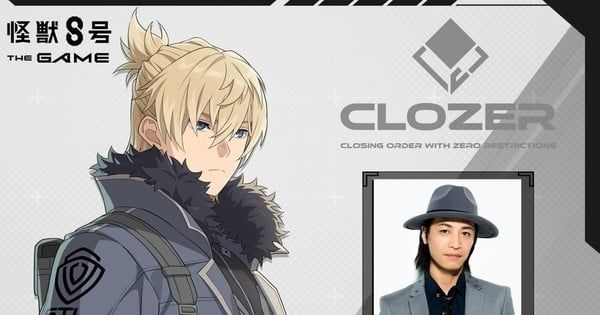
The upcoming mobile game Kaiju No. 8 the Game has expanded its voice cast with two prominent Japanese voice actors. Kōsuke Toriumi and Machico will portray original characters created specifically for the game adaptation, according to animenewsnetwork.com.
This casting news follows the earlier announcement that Masaya Fukunishi would reprise his role as protagonist Kafka Hibino from the anime series. The game's developers are building an original storyline that expands the Kaiju No. 8 universe beyond the established narrative.
Meet the Voice Talent
Profiles of the newly announced cast members and their previous work
Kōsuke Toriumi brings extensive experience to the project, having voiced characters in numerous popular anime series. His notable roles include Haku in Naruto, Reo Mibuchi in Kuroko's Basketball, and Ferdinand von Aegir in Fire Emblem: Three Houses. Toriumi has been active in voice acting since the early 2000s.
Machico, who uses only her professional name, is known for her work in both voice acting and singing. She gained recognition for her role as Teto Kasane in Show By Rock!! and has performed theme songs for various anime series. Her musical background adds another dimension to her voice acting capabilities.
Game Development Context
Understanding the production team behind Kaiju No. 8 the Game
The game is being developed by Akatsuki Games, a Japanese mobile game company known for titles like Dragon Ball Z Dokkan Battle. Akatsuki has partnered with Toho Games, the gaming division of the legendary Japanese film studio that produced the original Godzilla films. This collaboration brings together expertise in both gaming and kaiju entertainment.
Development began following the success of the Kaiju No. 8 anime adaptation, which premiered in April 2024. The game aims to capitalize on the growing international popularity of the franchise while offering original content for existing fans.
Kaiju No. 8 Universe Explained
For readers unfamiliar with this growing multimedia franchise
Kaiju No. 8 began as a manga series written and illustrated by Naoya Matsumoto, serialized in Shonen Jump+ since July 2020. The story follows Kafka Hibino, a man in his 30s who gains the ability to transform into a kaiju (giant monster) while working on a cleanup crew that disposes of monster remains.
The series combines elements of traditional kaiju stories with shonen manga tropes, creating a unique blend of giant monster action and character-driven narrative. Its popularity has grown rapidly, with over 10 million copies of the manga in circulation as of 2024.
Mobile Gaming Landscape
Where Kaiju No. 8 the Game fits in the global mobile market
Anime-based mobile games have become increasingly popular worldwide, particularly those featuring action RPG mechanics. Games like Fate/Grand Order and Genshin Impact have demonstrated the global appeal of Japanese-style mobile games with strong narrative elements. Kaiju No. 8 the Game enters a competitive but growing market segment.
The global mobile gaming market exceeded $90 billion in annual revenue in 2024, with Asia-Pacific regions accounting for nearly half of all spending. Anime-style games particularly resonate with international audiences, as demonstrated by the worldwide success of titles from companies like miHoYo and Bandai Namco.
Voice Acting Industry Context
The role of seiyū in Japanese media and global recognition
Voice actors, known as seiyū in Japan, enjoy celebrity status similar to film and television stars. Many seiyū maintain parallel careers as singers, radio personalities, and live performers. The industry has grown increasingly globalized with the worldwide spread of anime and Japanese games.
International fans often recognize Japanese voice actors from multiple roles across different series, creating dedicated followings that transcend language barriers. Platforms like YouTube and Twitter have enabled global audiences to connect directly with their favorite seiyū, further expanding their international recognition.
Original Game Characters
The significance of creating new characters for adaptations
Creating original characters for game adaptations allows developers to expand the source material without contradicting established canon. This approach provides fresh content for existing fans while maintaining narrative consistency with the original work. It's a common strategy in successful media mix projects.
These new characters often serve specific gameplay functions while adding depth to the game's story. For Kaiju No. 8 the Game, the original characters will likely introduce new gameplay mechanics or story elements that complement rather than replicate the manga and anime experiences.
Release Strategy
Expected global rollout and localization considerations
While specific release dates haven't been announced, anime-based mobile games typically follow a Japan-first release strategy with global versions following months later. Localization involves not just translation but cultural adaptation of content for international audiences. The game will likely feature multiple language options at launch.
Successful global releases require careful consideration of regional gaming preferences and monetization models. Games may adjust gacha mechanics (randomized character acquisition systems) or pricing structures based on regional market research and regulations regarding loot box systems.
Monetization Models
Understanding how anime mobile games generate revenue
Most anime mobile games employ free-to-play models with optional in-app purchases. Common monetization strategies include gacha systems for obtaining characters, seasonal battle passes, and cosmetic items. These systems have proven successful but sometimes face regulatory scrutiny in various markets.
The ethical implementation of these systems involves transparency about odds and spending limits. Many developers now include pity systems that guarantee rare characters after a certain number of attempts, addressing player concerns about excessive spending while maintaining revenue streams.
Cultural Impact of Kaiju
From Japanese film tradition to global phenomenon
Kaiju, meaning 'strange beast' in Japanese, refers to the genre of films and media featuring giant monsters. The tradition began with Godzilla in 1954 and has evolved into a significant cultural export. Modern kaiju stories often incorporate environmental themes and social commentary alongside monster action.
International audiences have embraced kaiju media through various iterations, from Pacific Rim's Hollywood interpretation to the growing popularity of Japanese franchises like Ultraman and Evangelion. This cultural exchange has created a shared language of giant monster storytelling that transcends national boundaries.
Global Perspectives
Reader Angle: ask for international experiences/perspectives related to the topic
How has the globalization of anime and Japanese games influenced gaming preferences in your region? Have you noticed differences in how mobile games are marketed or monetized compared to other entertainment forms?
What cultural elements from Japanese media have resonated most strongly with international audiences in your experience? How do localized versions of games balance authenticity with accessibility for global players?
#KaijuNo8 #VoiceActing #MobileGame #AnimeGame #ToriumiKosuke #Machico


