

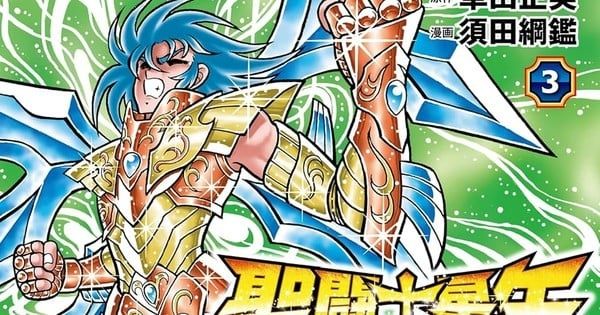
Saint Seiya Spinoff Manga Concludes With Fourth Volume, Marking End of Poseidon Arc

📷 Image source: animenewsnetwork.com
Series Conclusion Announcement
Manga Wraps Up Story in Final Volume
The Saint Seiya: Kaiō Saiki - Rerise of Poseidon manga series has officially concluded with the release of its fourth and final volume, according to animenewsnetwork.com. The announcement came on August 25, 2025, marking the end of this particular storyline within the expansive Saint Seiya universe that has captivated fans for decades.
This conclusion represents another completed chapter in the ongoing expansion of the Saint Seiya franchise, which began as a manga series in 1986. The Rerise of Poseidon storyline specifically focused on the marine deity Poseidon, one of the major antagonists-turned-ally figures in the original series, exploring new dimensions of his character and mythology.
Understanding the Saint Seiya Universe
Global Phenomenon With Deep Mythology
Saint Seiya, known as Knights of the Zodiac in some international markets, is a Japanese manga series created by Masami Kurumada that has grown into a massive multimedia franchise. The story follows young warriors called Saints who wear mystical armor called Cloths based on constellations and Greek mythology to protect the reincarnation of the goddess Athena.
The series blends Greek mythology with astronomical concepts, creating a unique fantasy world that has resonated with global audiences. Since its debut, Saint Seiya has expanded to include numerous anime adaptations, films, video games, and spin-off manga series like Rerise of Poseidon, maintaining relevance across generations of fans worldwide.
Poseidon's Role in Saint Seiya Lore
From Antagonist to Complex Figure
In the original Saint Seiya mythology, Poseidon is one of the three major gods alongside Hades and Zeus who periodically threaten humanity. The marine deity typically awakens every few centuries to flood the world and create a new, perfect civilization, putting him in direct conflict with Athena and her Saints.
The Rerise of Poseidon manga likely explored the character's more nuanced aspects beyond his traditional villain role. Such spin-offs often delve into backstories, motivations, and alternative perspectives of established characters, providing deeper understanding of the complex relationships between gods, humans, and the cosmic balance they maintain in the Saint Seiya universe.
Manga Publication Details
Four-Volume Run Completes Story Arc
According to animenewsnetwork.com, the manga concluded with its fourth volume, indicating a relatively concise storytelling approach compared to some longer-running series. The four-volume structure suggests a focused narrative that developed the Poseidon storyline without extensive prolongation, potentially offering a complete character arc or mythological exploration.
The publication pattern follows typical manga industry standards where series are collected into tankōbon volumes after initial serialization in magazines. The decision to conclude at four volumes may reflect creative completion of the intended story rather than cancellation, as shorter series often allow for tighter storytelling and more deliberate pacing of mythological narratives.
Global Manga Market Context
Spin-offs in the International Landscape
The conclusion of Rerise of Poseidon occurs within a global manga market that increasingly values both new intellectual properties and expansions of established franchises. Spin-off series like this one allow publishers to capitalize on existing fan bases while exploring new creative directions within familiar universes, a strategy employed worldwide by comic and graphic novel publishers.
Internationally, Saint Seiya maintains particular popularity in Latin American, European, and Southeast Asian markets where the original anime received widespread broadcast. This global distribution creates diverse audience expectations for spin-off content, balancing respect for original mythology with innovative storytelling approaches that can attract both longtime fans and new readers unfamiliar with the extensive lore.
Cultural Significance of Mythology Adaptation
Greek Gods in Japanese Storytelling
The Saint Seiya franchise represents a fascinating cultural exchange where Japanese creators reinterpret Greek mythology through Eastern storytelling sensibilities. This cross-cultural adaptation has created a unique mythological framework that blends Hellenic gods with Japanese narrative structures and character development techniques, resulting in a distinctive creative product.
This approach mirrors global trends in mythology adaptation, where ancient stories are reimagined through contemporary cultural lenses. From Marvel's Thor to various anime interpretations of Norse, Egyptian, and Greek myths, there's growing international appreciation for mythological reinvention that respects source material while making it accessible to modern global audiences with diverse cultural backgrounds.
Impact on Saint Seiya Franchise
Expanding Universe Through Spin-offs
The conclusion of Rerise of Poseidon contributes to the ongoing expansion of the Saint Seiya franchise, which has maintained relevance through multiple generations by continually adding new stories within its established universe. Such spin-offs help keep the franchise fresh while allowing different creators to explore various aspects of the mythology that may not fit into main storyline narratives.
For global fans, these additional series provide deeper immersion into the world while offering entry points for new audiences who might find shorter, focused stories more accessible than the extensive original series. This approach mirrors strategies used by other major franchises worldwide, where expanded universe content helps maintain brand vitality across different media formats and audience segments.
Creative Team and Production
Collaborative Manga Creation Process
While the animenewsnetwork.com report doesn't specify the creative team behind Rerise of Poseidon, manga production typically involves collaboration between writers, artists, editors, and publishers. Spin-offs of major franchises like Saint Seiya often involve oversight from original creators or rights holders to maintain consistency with established lore while allowing new creative voices to contribute to the universe.
The manga industry's collaborative nature means that even concluded series represent the work of numerous professionals whose contributions extend beyond the visible credits. From story development to artwork, lettering, and editorial guidance, each volume represents months of coordinated effort by dedicated teams working within the constraints and opportunities of serialized publication schedules.
Reader Reception and Critical Response
Measuring Success Beyond Sales Numbers
Without specific sales data or critical reviews provided in the source material, assessment of reader reception remains uncertain. However, the completion of four volumes suggests the series maintained sufficient audience engagement to justify continued publication, as manga series typically face cancellation if initial volumes fail to meet sales thresholds established by publishers and distributors.
Global manga reception increasingly involves international feedback through digital platforms, fan communities, and translated releases. Series connected to established franchises like Saint Seiya often benefit from built-in audience interest while facing heightened expectations regarding quality and faithfulness to source material, creating unique challenges for creators working within beloved fictional universes with dedicated global fanbases.
Future of Saint Seiya Content
Ongoing Franchise Development
The conclusion of Rerise of Poseidon doesn't indicate any reduction in Saint Seiya content production. Major Japanese franchises typically continue producing new material across multiple media formats, including manga spin-offs, anime adaptations, films, games, and merchandise. The end of one series often coincides with announcements of new projects that continue expanding the universe.
Global audience demand for Japanese entertainment content continues growing, with streaming services and digital distribution making previously inaccessible material available worldwide. This expanded accessibility influences production decisions, as creators and publishers increasingly consider international market potential when developing new content within established franchises like Saint Seiya, potentially affecting storytelling approaches and character focus in future installments.
Global Perspectives
Reader Experiences With Mythological Storytelling
How have different cultural interpretations of Greek mythology in entertainment media influenced your understanding of these ancient stories? Have you encountered other examples where traditional mythology has been adapted through contemporary cultural lenses, and how did those interpretations compare to their source material?
Share your experiences with cross-cultural mythology adaptations in comics, animation, or other media from your region. How do these creative reinterpretations balance respect for original myths with innovative storytelling approaches, and what value do they bring to global audiences unfamiliar with the source mythology?
#SaintSeiya #Poseidon #Manga #KnightsOfTheZodiac #MasamiKurumada


