

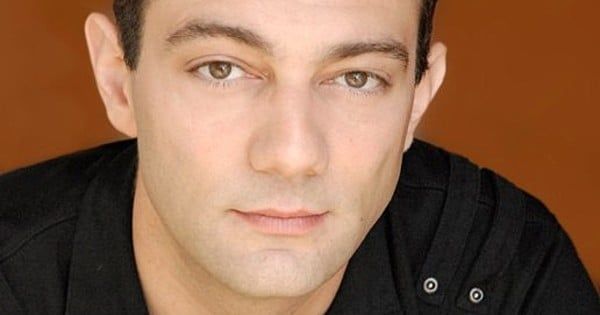
Mike McFarland's Glioblastoma Diagnosis Rocks Anime Community: A Voice Director's Battle and Legacy

📷 Image source: animenewsnetwork.com
A Devastating Diagnosis
The Grim Reality of Glioblastoma
The anime world received heartbreaking news today as veteran voice actor and director Mike McFarland confirmed his diagnosis with glioblastoma, an aggressive form of brain cancer. According to animenewsnetwork.com, this diagnosis comes following multiple brain tumor surgeries, painting a grim picture for the beloved industry figure.
Glioblastoma isn't just any cancer—it's one of the most aggressive and difficult-to-treat forms of brain tumor. The average survival rate hovers around 12-18 months even with aggressive treatment, making this diagnosis particularly devastating. For someone like McFarland, whose career depends on vocal precision and cognitive function, the implications are especially cruel.
What makes this news particularly jarring is the timing. McFarland had already undergone brain tumor surgeries, suggesting this wasn't his first health battle. The progression to glioblastoma indicates a worsening condition that will require everything from radiation to chemotherapy—treatments that themselves carry significant side effects.
Who Is Mike McFarland?
More Than Just a Voice
If you've watched English-dubbed anime in the past two decades, you've heard Mike McFarland's work—even if you didn't realize it. As the ADR director for the iconic Dragon Ball series, he's been the architectural force behind bringing Goku and friends to English-speaking audiences with authenticity and heart.
But his contributions extend far beyond directing. McFarland's voice acting resume reads like a greatest hits list of anime localization: Master Roshi in Dragon Ball, Jean in Attack on Titan, and a staggering range of supporting characters across hundreds of episodes. His work at Funimation (now Crunchyroll) helped shape what anime dubbing became in the West—moving beyond simple translation to genuine performance art.
What many fans might not realize is that voice directors like McFarland don't just manage sessions; they're cultural translators. They balance Japanese context with Western sensibilities, find vocal equivalents for character archetypes, and maintain consistency across seasons and spin-offs. It's a delicate dance of art and commerce that McFarland mastered.
The Brutal Reality of Brain Cancer in Creative Industries
When Your Instrument Is Under Attack
For voice actors, a brain cancer diagnosis carries unique horrors. The very organ that creates their art—that remembers lines, modulates tone, and interprets character—becomes the battlefield. Glioblastoma specifically attacks cognitive function, motor skills, and eventually basic bodily functions.
We've seen this tragedy before in the entertainment industry. Actors like Mark Ruffalo have spoken about their brain tumor experiences, but glioblastoma has claimed legends like Senator John McCain and Beau Biden. The pattern is brutally consistent: initial symptoms often dismissed as stress or fatigue, followed by diagnosis, then the grueling treatment marathon.
For working artists, there's the additional financial terror. Most voice actors work as independent contractors without long-term disability insurance. Medical bills mount while ability to work diminishes. The anime community has historically rallied around its own in times of crisis, but systemic support remains patchy at best.
The Science Behind the Struggle
Why Glioblastoma Is So Formidable
Medical experts describe glioblastoma as 'the terminator of cancers' for good reason. These tumors develop from glial cells that support neurons, but they grow with terrifying speed and send tentacle-like extensions throughout the brain, making complete surgical removal nearly impossible.
Treatment typically involves a triple approach: surgery to debulk the tumor, radiation to target remaining cells, and chemotherapy (usually temozolomide) to attack at the cellular level. Even with all three, recurrence is almost expected. The blood-brain barrier that protects our neurons from toxins also blocks most chemotherapy drugs, creating a biological fortress that protects the cancer.
Recent advances in immunotherapy and targeted therapy offer glimmers of hope, but these remain largely experimental for glioblastoma. The残酷 reality is that treatment often focuses on quality of life extension rather than cure—a difficult concept for patients and families to accept.
Anime's Health Care Crisis
When Art Collides With American Medicine
McFarland's diagnosis highlights a silent crisis in the voice acting community: the precarious nature of health care for freelance artists. Unlike staff positions at studios, most voice actors work project-to-project without employer-sponsored health insurance.
The Affordable Care Act helped by preventing denial for pre-existing conditions, but premiums remain prohibitively expensive for many performers. A single hospital stay for brain surgery can easily exceed $100,000—catastrophic debt that could wipe out a lifetime of artistic work.
This isn't just an American problem either. Japan's voice actors face their own health care challenges, though their national system provides better baseline coverage. The global nature of anime production means health crises like McFarland's ripple across international borders, affecting production schedules and artistic collaborations.
The Ripple Effect on Productions
When a Key Player Goes Down
McFarland's illness will inevitably affect current and future projects. As a director, his absence creates creative voids that aren't easily filled. Dragon Ball projects, ongoing dubs, and new series he was attached to will all face difficult decisions about recasting or postponement.
The anime industry has faced similar challenges before. When voice actors like Hiromi Tsuru (Bulma's original Japanese voice) passed away unexpectedly, productions had to navigate respectful transitions while honoring legacy characters. These transitions are emotionally fraught for fans and professionally challenging for studios.
There's also the mentorship gap. Veterans like McFarland train the next generation of voice directors. Their sudden absence leaves a knowledge vacuum that takes years to fill—assuming anyone even recognizes what's been lost until it's too late.
Community Response and Support Systems
How the Anime World Rallies
Within hours of the news breaking, social media flooded with support from colleagues and fans alike. Voice actors like Sean Schemmel (Goku) and Christopher Sabat (Vegeta) shared emotional tributes, highlighting not just McFarland's professional impact but his personal kindness.
This outpouring reflects a unique aspect of anime culture: despite corporate structures, the community operates like an extended family. Fundraisers for medical expenses inevitably follow these announcements, with fans often contributing alongside industry colleagues.
But emotional support only goes so far. The industry lacks formalized emergency funds or long-term care systems for artists facing catastrophic illness. Most support remains ad hoc—well-meaning but inconsistent when facing something as relentless as glioblastoma.
The Human Cost Beyond the Microphone
Family, Future, and Fear
Behind the professional impact lies the personal tragedy. McFarland isn't just a voice actor; he's someone's family member, friend, and colleague facing mortality in the most brutal way imaginable.
Brain cancer treatments radically alter daily life. Radiation fatigue makes basic tasks exhausting. Steroid treatments cause weight gain and mood swings. Cognitive changes affect memory and personality. Patients often describe feeling like prisoners in their own malfunctioning bodies.
For creative professionals, there's the additional grief of losing their art. The voice that defined characters becomes weak or slurred. The director's sharp ear for performance becomes dulled by medication. It's a layered loss that compounds the physical suffering.
Broader Implications for Voice Actor Health
An Industry-Wide Wake-Up Call
McFarland's diagnosis should serve as a wake-up call about occupational health in voice acting. The profession carries unique stressors: irregular hours, performance pressure, and often inadequate breaks between sessions. While not directly causing conditions like glioblastoma, chronic stress affects overall health resilience.
Studio practices vary widely in their health consciousness. Some provide ergonomic setups, vocal coaching, and reasonable schedules. Others push for marathon sessions that leave actors physically and mentally drained. There's no industry-standard duty of care, leaving individuals to negotiate their own boundaries.
The rise of remote recording during COVID actually improved some aspects—actors working from home studios could control their environment better. But isolation brought its own mental health challenges, and technical issues created new stressors.
The Road Ahead
Treatment, Hope, and Realism
McFarland's treatment path will likely involve specialized cancer centers like MD Anderson or Memorial Sloan Kettering, where glioblastoma research is most advanced. Clinical trials might offer options beyond standard care, though travel and costs create additional burdens.
The emotional journey will involve difficult conversations about legacy, unfinished work, and what matters most when time becomes precious. Many patients describe cancer as forcing a brutal clarity about priorities—a silver lining that doesn't diminish the darkness but occasionally reveals unexpected light.
For fans, the appropriate response is support without intrusion. Respecting privacy while offering practical help (through verified fundraisers) balances compassion with dignity. The anime community has historically excelled at this delicate dance during previous health crises.
Legacy Beyond Illness
How McFarland Changed Anime Forever
However this chapter ends, Mike McFarland's legacy is already secure. His work helped transform anime dubbing from mechanical translation to artistic interpretation. He understood that localizing wasn't about replacing Japanese culture but bridging it to new audiences.
His performances—whether as the lecherous but wise Master Roshi or the determined Jean Kirschtein—brought depth to characters that could have been two-dimensional in lesser hands. His direction ensured consistency across decades of Dragon Ball content, maintaining character voices through multiple actors and technological shifts.
Perhaps most importantly, he mentored countless voice actors who now carry his techniques forward. His influence echoes in every well-timed joke translation, every emotionally authentic performance, and every director who understands that dubbing isn't just about words—it's about heart.
#MikeMcFarland #Glioblastoma #AnimeCommunity #VoiceActing #DragonBall


