

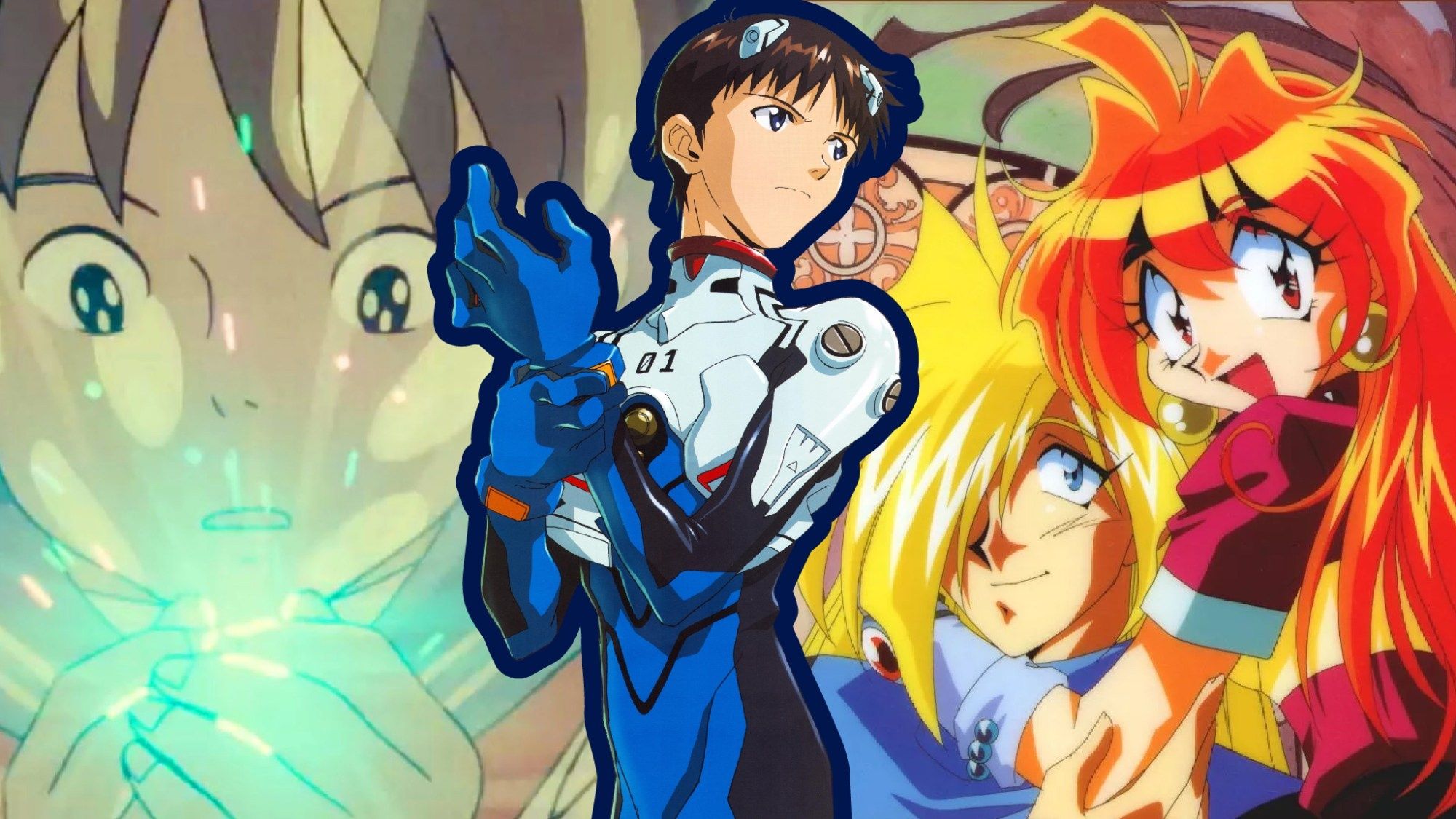
Neon Genesis Evangelion at 30: How a Mecha Anime Redefined a Genre and a Generation

📷 Image source: comicbook.com
The Bomb That Quietly Changed Everything
October 4, 1995: The Day Anime Grew Up
When Hideaki Anno’s Neon Genesis Evangelion first aired on TV Tokyo, no one expected the psychological earthquake it would trigger. The year was 1995—Japan was reeling from the Kobe earthquake and the Aum Shinrikyo subway attacks, and here came a mecha anime that mirrored the national psyche: fractured, anxious, and desperate for meaning.
Evangelion wasn’t just another robot show. It was a Trojan horse. On the surface, 14-year-old Shinji Ikari piloted a biomechanical Eva unit to fight Angels. But beneath? A brutal excavation of depression, parental abandonment, and the loneliness of existence. The show’s infamous budget crunches—resulting in those haunting still frames—became accidental genius, forcing viewers to sit uncomfortably with characters’ unraveling minds.
The Unlikely Revolutionaries
How Gainax’s Financial Chaos Fueled Creative Rebellion
Studio Gainax was bleeding money during production. Anno, battling his own depression, channeled it into the script. The result? Scenes like Episode 16’s infamous ‘instrumentality’ sequence—a two-minute still frame of Rei Ayanami’s face with only a ticking clock for sound. Fans rioted. Network executives panicked. But this was the moment anime broke free from toy-selling formulas.
Key animator Yoshiyuki Sadamoto later admitted in a 2002 interview: 'We knew we were burning bridges. The last episodes’ psychoanalytic montages? That was us choosing art over commerce.' The gamble paid off. Evangelion’s 1997 theatrical finale, The End of Evangelion, grossed ¥1.4 billion (about $9.5 million today)—proving audiences craved substance with their spectacle.
The Ripple Effect
From Otaku Niche to Global Phenomenon
Evangelion’s DNA now permeates everything. Without Shinji’s reluctant heroism, there’s no Attack on Titan’s Eren Yeager. Without the Hedgehog’s Dilemma monologue, BoJack Horseman’s existential crises play differently. Even the Marvel Cinematic Universe’s Tony Stark echoes Evangelion’s core question: Can broken people save the world?
Merchandise sales tell the story. The franchise has generated over ¥150 billion ($1 billion) since 1995, with 2023’s Evangelion: 3.0+1.0 Thrice Upon a Time becoming the highest-grossing Eva film at ¥10.28 billion. But the real legacy? A generation that learned it’s okay—necessary, even—to ask 'Why do I exist?' while watching giant robots punch aliens.
The Unfinished Revolution
Why Eva Still Haunts Us at 30
Walk through Akihabara today, and you’ll see Rei Ayanami’s face on energy drinks. The original series streams in 4K. Yet the story’s unresolved tensions mirror our times. Anno’s recent work on Shin Godzilla and Shin Ultraman continues Evangelion’s themes: institutions failing people, the terror of connectivity.
As psychiatrist Dr. Saito Tamaki notes in his book Beautiful Fighting Girl: 'Post-Eva, characters couldn’t just be strong. They had to be human first.' That’s why, three decades later, we’re still dissecting that final scene—Shinji choking Asuka on the beach. Not because it gives answers, but because it dares us to sit with the question: How do we keep choosing to live?
#NeonGenesisEvangelion #HideakiAnno #MechaAnime #PsychologicalAnime #AnimeLegacy #Evangelion30


