

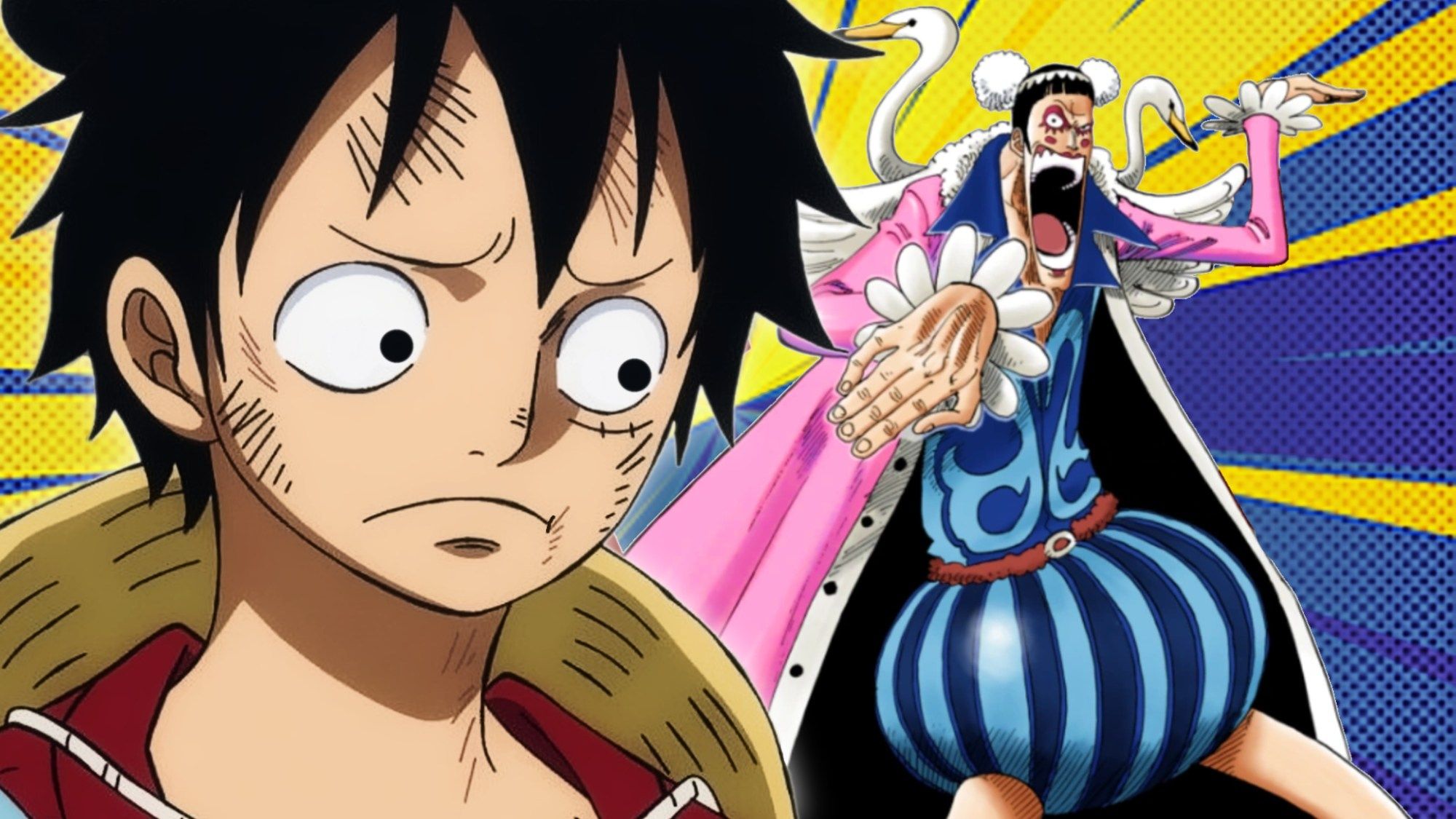
Netflix's One Piece Live-Action Faces Its Most Anticipated—and Riskiest—Character Test Yet

📷 Image source: comicbook.com
The Bon Clay Conundrum
Why Netflix's One Piece Adaptation Hasn't Truly Been Tested Until Now
Netflix’s live-action adaptation of Eiichiro Oda’s legendary manga One Piece defied expectations. Critics and fans, initially skeptical, largely praised its first season for capturing the spirit of adventure, the heart of its characters, and the whimsical yet dangerous world of the Grand Line. It was a hit, a rarity in the often-cursed genre of anime-to-live-action. But according to a report from comicbook.com on August 22, 2025, the show’s biggest challenge is still on the horizon, and its name is Bentham, better known as Bon Clay or Mr. 2.
The central controversy, as outlined by the source, isn't about a botched fight scene or a skipped arc. It’s about representation, identity, and the monumental task of translating one of anime’s most beloved and complex queer characters into a live-action format without falling into damaging stereotypes or erasing what makes him so special. The success of the first season bought Netflix goodwill, but how it handles Bon Clay will be a true measure of its understanding of the source material and its commitment to its diverse global audience.
Who is Bon Clay?
The Unlikely Hero of the Baroque Works Arc
For the uninitiated, Bon Clay is far more than a flamboyant side character. Introduced as Mr. 2 of the villainous Baroque Works organization, he starts as an antagonist for the Straw Hat crew. His Devil Fruit power, the Mane Mane no Mi, allows him to perfectly copy the appearance of anyone he touches with his right hand. He’s a formidable fighter, using a unique style of okama kenpo (a martial art associated with a flamboyant, often queer-coded subculture in Japanese media).
But his legacy is defined by his dramatic turn from foe to cherished friend. Bon Clay sacrifices himself not once, but twice to save Luffy and his crew. His final act, staying behind in the underwater prison Impel Down to ensure Luffy’s escape while declaring their friendship, is one of the most emotionally resonant moments in the entire One Piece narrative. He is the embodiment of the series’ core theme: that friendship and loyalty transcend all boundaries, even those of enmity.
The Heart of the Controversy
Navigating the Delicate Portrayal of an Okama Character
The potential for controversy, as comicbook.com highlights, stems from the cultural specificity of Bon Clay’s character. He is explicitly written as an okama, a Japanese term for a person who cross-dresses or defies gender norms. In the context of One Piece, the okama characters, who reside in a place called Kamabakka Kingdom, are portrayed with a mix of humor, flamboyance, and immense strength and loyalty.
The risk for Netflix is twofold. A shallow, Westernized interpretation could reduce Bon Clay to a harmful stereotype—a purely comic relief character whose identity is the punchline. This would be a profound betrayal of a character whose depth and heroism are what fans adore. Conversely, erasing the okama aspects of his character to avoid offense would be a different kind of failure, sanitizing a unique cultural expression and diluting what makes him Bon Clay. The adaptation must walk a tightrope, honoring the original intent while presenting it with a sensitivity that resonates globally in 2025.
A Precedent of Careful Handling
What Netflix's One Piece Got Right the First Time
To understand why there’s cautious optimism, we should look at what the show already did well. The first season demonstrated a nuanced approach to its source material. The casting of Iñaki Godoy as Luffy was inspired; he didn’t just imitate the cartoon, he embodied its boundless optimism and rubber-limbed physicality. The production design for Going Merry and various locations felt lived-in and real, yet fantastical.
Most importantly, the show handled its characters with care. Sanji’s womanizing, a trait that has aged poorly for some viewers, was toned down significantly, focusing more on his chivalry and culinary passion. This proves the writers and showrunner Matt Owens aren’t on autopilot; they’re making conscious, thoughtful choices about what to adapt and how. This track record suggests they are aware of the pitfalls awaiting them with Bon Clay and are likely approaching his character with the seriousness he deserves.
The Casting Crucible
Finding the Right Actor is Only Half the Battle
The single most important decision will be casting. The actor must possess a rare combination of skills: formidable physicality for the fight choreography, impeccable comedic timing for Bon Clay’s theatrical nature, and the dramatic weight to sell his ultimate sacrifices. But beyond the resume, there’s the question of identity.
There will be a loud and justified call for the role to go to a queer actor, preferably one with a non-binary or gender-nonconforming identity. Casting a cisgender, heterosexual actor in such a flamboyant role could immediately be seen as parody, regardless of the performer’s skill. Netflix’s commitment to authentic casting in other projects will be under a microscope. The right choice could be a landmark moment for representation in blockbuster television; the wrong one could ignite a firestorm that overshadows the entire season.
Beyond the Character: Adapting the Story
The Alabasta Arc Demands a Faithful yet Streamlined Approach
Bon Clay’s introduction is inextricably linked to the Alabasta Saga, arguably the first epic storyline in One Piece. This arc is massive, involving a royal family, a rebel army, a secret criminal organization, and a drought-stricken desert kingdom. Adapting it for a live-action season will require significant condensation.
The danger is that in streamlining the plot, Bon Clay’s role could be diminished. His journey from enemy to ally needs room to breathe. His initial battles with the Straw Hats, his growing begrudging respect for them, and his final, unwavering loyalty must all be given their due weight. Rushing this character arc would be a catastrophic error, turning his heroic sacrifices into confusing narrative non-sequiturs rather than the powerful conclusions to a beautifully developed relationship.
The Global Audience and Cultural Translation
Making an Okama Hero Resonate from Jakarta to Iowa
Netflix doesn’t make shows for one country; it makes them for the world. This global lens is crucial for understanding the Bon Clay challenge. Concepts of gender and queer identity are expressed and understood differently across cultures. What reads as celebratory and powerful in a Japanese context might be misinterpreted elsewhere, and vice-versa.
The show’s writers must act as cultural translators. This doesn’t mean changing Bon Clay’s core identity, but rather ensuring that the narrative framing makes his character accessible and respectful to a 2025 global audience. The humor should come from his confidence and theatricality, not his identity. His strength and loyalty must be his defining features, with his flamboyance being one part of his multifaceted personality. It’s a delicate balancing act that requires consultants, sensitivity readers, and a deep well of empathy.
The Stakes for the Franchise
Why Getting Bon Clay Right is a Multi-Billion Dollar Question
The success of One Piece is a cornerstone of Netflix’s strategy for dominating the live-action anime space. A misstep with a character as beloved as Bon Clay could fracture the passionate fanbase that propelled the first season to success. In an age of social media, a backlash over poor representation can trend worldwide in hours, potentially scaring off more casual viewers.
Conversely, nailing this adaptation could cement the show’s legacy. A authentically and powerfully portrayed Bon Clay would be a triumph, sending a powerful message about inclusivity and proving that Netflix can handle complex, culturally specific storytelling. It would build immense trust for adapting even more ambitious and sensitive arcs down the line, ensuring the longevity of a franchise that has the potential to run for many seasons.
The Road Ahead
A Test of True Creative Ambition
The report from comicbook.com isn’t predicting doom; it’s sounding a cautionary note. It highlights that the easy part is over. Adapting the straightforward adventure of the East Blue was one thing. Adapting the nuanced, character-driven drama of Alabasta and one of its most pivotal figures is another thing entirely.
Netflix has the budget, the platform, and, based on season one, the creative talent to get this right. The world is watching. The handling of Bon Clay will be the clearest indicator yet of whether Netflix’s One Piece is merely a competent adaptation or a truly great piece of television that honors the soul of its source material. The biggest controversy isn’t inevitable, but navigating it successfully is the show’s greatest challenge and its greatest opportunity.
#OnePieceLiveAction #BonClay #Netflix #AnimeAdaptation #LGBTQRepresentation


