

Webtoon's Bold Leap: How Vertical Video Episodes Are Reshaping Digital Comics

📷 Image source: animenewsnetwork.com
The Vertical Pivot
Why Webtoon is betting big on short-form video
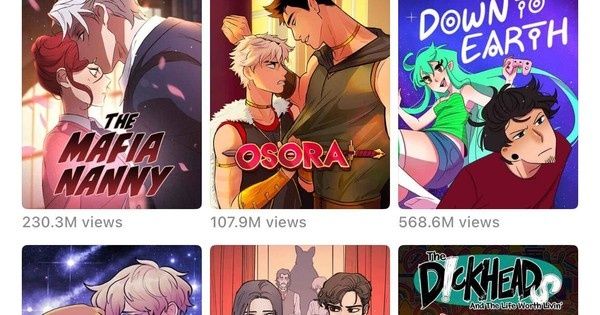
Imagine scrolling through your favorite social feed and stumbling on a vibrant, 60-second animated clip from a webcomic you love—no full-screen tapping, no horizontal flipping, just seamless vertical storytelling. That’s exactly what WEBTOON, the digital comics giant, just unleashed. According to animenewsnetwork.com, the platform has officially rolled out short-form video episodes, a move that blends its massive library of webcomics with the addictive format popularized by TikTok and Instagram Reels.
This isn’t just a cosmetic update; it’s a strategic play to capture the attention of Gen Z and millennial audiences who devour content in quick, vertical bursts. For years, WEBTOON has dominated the digital comics space with its scroll-friendly panels, but now it’s diving headfirst into video to stay relevant in an increasingly video-first world. The launch, reported by animenewsnetwork.com on August 23, 2025, signals a shift in how stories are consumed—and who gets to tell them.
How It Works: From Panels to Motion
The technical magic behind the conversion
So how does a static webcomic transform into a engaging video episode? According to the source, WEBTOON’s new feature leverages a mix of automated tools and creator input. Artists can upload their existing panels, and the system adds subtle animations—think drifting clouds, flickering lights, or character lip-syncing—to bring static images to life. The videos are optimized for vertical screens, with aspect ratios matching smartphones (typically 9:16), and run between 15 to 90 seconds.
But it’s not just about slapping motion on comics. The platform uses AI to suggest timing and transitions, ensuring the pacing feels natural. Sound design is also key: creators can add voiceovers, background music, or sound effects to enhance immersion. However, there’s a catch—this isn’t full animation. It’s more like motion comics, a hybrid that sits between traditional comics and cartoons. This approach keeps production costs low, making it accessible to indie creators who might lack the resources for full-scale animation.
Why This Matters: The Battle for Attention
Let’s be real: attention spans are shrinking. The average user spends seconds, not minutes, deciding whether to engage with content. WEBTOON’s move is a direct response to that reality. By adopting short-form video, the platform isn’t just following trends—it’s future-proofing its business. Video content drives higher engagement rates than static images, and algorithms on platforms like YouTube and TikTok favor video, which means more discoverability for creators.
For WEBTOON, this could mean tapping into new revenue streams. Ads embedded in videos, sponsored episodes, or even premium video subscriptions could supplement the existing ad-sharing and tipping model. But beyond money, it’s about cultural relevance. If comics don’t evolve, they risk becoming niche in a world dominated by video. This shift helps bridge the gap between comic purists and the TikTok generation.
The Creators: Who Benefits?
From indie artists to established names
WEBTOON’s creator community is huge—over 1 million creators globally, according to industry reports—and this update could be a game-changer for many. For small-time artists, short-form videos lower the barrier to entry. You don’t need a studio or expensive software; you can repurpose existing comics into video with minimal effort. That’s huge for creators in regions like Southeast Asia, where animation resources might be scarce but talent is abundant.
But it’s not just about accessibility. Established WEBTOON stars, like those behind hits like Lore Olympus or Tower of God, can now expand their reach. Imagine a viral video clip from a popular series racking up millions of views on social media, driving new readers back to the full comic. It’s a funnel strategy: hook ‘em with video, convert ‘em to long-form reading. However, creators will need to adapt their storytelling. Vertical video demands tighter pacing and punchier climaxes—every second counts.
Competitive Landscape: How Does It Stack Up?
WEBTOON isn’t the first to experiment with comic-to-video. Platforms like Tapas have dabbled in motion comics, and social media apps are full of fan-made edit. But WEBTOON’s integrated approach sets it apart. Unlike TikTok, where comic content is fragmented, WEBTOON’s videos are native to its ecosystem, linked directly to the source material. That means smoother monetization and better creator control.
Then there’s the elephant in the room: YouTube. While YouTube hosts plenty of webcomic content, it’s not optimized for vertical, short-form storytelling. WEBTOON’s vertical format feels more native to mobile users. Still, challenges remain. TikTok’s algorithm is notoriously powerful at virality, and WEBTOON will need to compete with that. The trade-off? WEBTOON offers a dedicated audience of comic fans, while TikTok is a wild west of content. For creators, that targeted audience might be worth more than fleeting viral fame.
Technical Limits and Privacy Pitfalls
What could go wrong?
No innovation comes without risks. First, the technical constraints: these videos aren’t high-definition animation. They’re lightweight motion comics, which might disappoint viewers expecting Disney-level fluidity. Also, file sizes could be an issue for users in areas with poor internet—think rural Indonesia or parts of Africa—where data costs are high and connectivity is spotty. Offline viewing might be limited, unlike static comics which are easier to download.
Then there’s privacy. WEBTOON’s use of AI to generate motion raises questions about data handling. Are creator artworks being fed into algorithms? Could style or content be inadvertently replicated? The source doesn’t dive deep into this, but in general, AI-driven tools often rely on training data, which sometimes includes user uploads. Creators should scrutinize the terms of service. Lastly, latency: buffering videos could ruin the experience, especially for action-heavy sequences. WEBTOON will need robust CDNs to keep things smooth globally.
Market Impact: Numbers and Niche
WEBTOON’s parent company, Naver, reported over 82 million monthly active users last year, with a sizable chunk in Asia. Short-form video could balloon that number. In Indonesia alone—a country with over 200 million internet users—webcomics are huge. Local series like My Giant Nerd Boyfriend have massive followings, and video episodes could tap into Indonesia’s love for mobile-first content.
The global webcomics market is estimated at over $5 billion, and video integration could open new advertising revenue. Imagine branded episodes or product placements woven into videos. But it’s not just about money. This move could democratize animation, giving rise to new genres. For example, Indonesian folklore stories—often rich in visual symbolism—could thrive in short video format, reaching audiences who might never pick up a comic book.
Ethical Quandaries: Bias and Representation
Here’s where things get sticky. AI tools aren’t neutral. If WEBTOON’s automation favors certain art styles—say, anime-inspired looks—over others, it could marginalize creators with unique or culturally specific aesthetics. Imagine a Balinese comic artist whose traditional art doesn’t “animate well” by AI standards. That’s a bias risk.
Then there’s dialect and language. WEBTOON supports multiple languages, but video adds voiceovers. Will the platform prioritize English or major languages, leaving regional dialects out? For instance, Javanese or Sundanese creators might struggle to find voice talent or support. Offline limits also pose an equity issue: creators in low-connectivity regions might miss out on video’s benefits. WEBTOON will need to ensure its tools are inclusive, not just for the tech-savvy or well-connected.
Future Scenarios: What’s Next?
Where could this go? If short-form videos take off, we might see WEBTOON branching into original animated series or partnerships with streaming services. Think Netflix picking up a viral WEBTOON video series. Or, conversely, video could become a testing ground for new comics—pilot episodes in video form to gauge audience interest before committing to a full series.
But failure is possible. If videos feel cheap or gimmicky, users might reject them. Or if creators find the workflow cumbersome, adoption could stall. The key will be balancing quality with scalability. WEBTOON’s success hinges on whether it can make video feel like a natural extension of comics, not a desperate grab for clicks. One thing’s clear: the lines between comics, animation, and social media are blurring, and WEBTOON is planting its flag right in the middle.
Final Take: A New Chapter for Digital Storytelling
WEBTOON’s short-form video episodes aren’t just a feature drop—they’re a statement. In a world drowning in content, the winners will be those who adapt without losing their soul. For comics, that means embracing new formats while staying true to storytelling. This move could bring comics to millions who’d never consider reading one, especially in video-hungry markets like Indonesia.
But the real test will be in execution. Will creators embrace it? Will audiences watch? Only time will tell. For now, though, WEBTOON is betting that the future of comics is vertical, short, and in motion. And if history’s any guide, betting on mobile-first trends isn’t a bad move. After all, who thought we’d be reading comics on phones in the first place?
#WEBTOON #DigitalComics #VerticalVideo #MotionComics #ContentStrategy


