

Yuri Novels by Hitoma Iruma to Receive Manga Adaptation, Expanding Global Reach of Niche Genre

📷 Image source: animenewsnetwork.com
Introduction
From Page to Panel: A Literary Transition
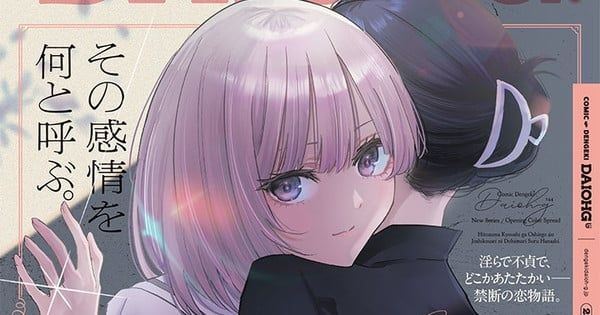
The yuri genre, focusing on emotional and romantic relationships between women, gains new momentum as Hitoma Iruma's novel series enters visual storytelling. According to animenewsnetwork.com, the works 'Hitozuma Kyōshi ga Oshiego no Joshi Kōsei ni Dohamari Suru Hanashi' will transition from text to manga format, introducing these narratives to broader audiences through sequential art.
This adaptation represents a significant publishing strategy within Japan's media mix approach, where successful literary works often expand into comics, animation, or film. The move signals confidence in the series' appeal and the growing commercial viability of yuri content beyond its traditional niche readership.
Author Profile: Hitoma Iruma's Literary Landscape
A Voice in Contemporary Japanese Fiction
Hitoma Iruma has established himself as a distinctive voice in Japanese light novels and youth-oriented literature. His works frequently explore complex interpersonal dynamics and emotional landscapes, often blending slice-of-life elements with deeper psychological themes. The author's approach to yuri storytelling emphasizes character development over sensationalism.
Iruma's previous works have garnered attention for their nuanced portrayal of relationships, avoiding stereotypical tropes common in some romance genres. This stylistic approach has contributed to his reputation as a writer who treats LGBTQ+ themes with authenticity and respect, appealing to readers seeking substance alongside romantic narratives.
The Source Material: Understanding the Original Novels
Thematic Depth Behind the Long Title
The series title 'Hitozuma Kyōshi ga Oshiego no Joshi Kōsei ni Dohamari Suru Hanashi' translates roughly to 'A Story About a Married Woman Teacher Getting Very Close to Her Female Student.' This describes a narrative involving a married female teacher and the emotional entanglement that develops with her female student. The story explores themes of mentorship, emotional connection, and societal expectations.
Rather than focusing solely on romantic aspects, the novels examine the complexities of human relationships across different life stages. The age gap and teacher-student dynamic add layers of social tension and emotional conflict, creating a narrative that balances personal desire with professional boundaries and social responsibility.
Manga Adaptation Process: From Words to Images
The Art of Visual Translation
Adapting novels into manga requires careful consideration of how to convey internal monologues and emotional subtleties through visual storytelling. The manga artist must interpret character expressions, scene compositions, and pacing to maintain the narrative's essence while leveraging the strengths of the comic medium. This transformation involves collaborative decisions between the original author, editor, and artist.
Key challenges include condensing lengthy prose into efficient visual sequences while preserving the story's emotional depth. The artist must create character designs that match readers' imaginations from the novels while establishing their own visual identity. Background details and symbolic imagery become crucial for conveying mood and subtext previously described through text.
Yuri Genre Evolution: From Niche to Mainstream
Global Growth of Women-Love-Women Narratives
Yuri, meaning 'lily' in Japanese, has evolved from subtle subtext in early 20th-century literature to a recognized genre with diverse subcategories. Initially appearing in Class S literature focusing on romantic friendships between girls, modern yuri encompasses everything from innocent school romances to adult relationships. The genre has gained international traction through manga licensing and digital distribution.
Global platforms like Kindle, ComiXology, and specialized publishers have made yuri content accessible worldwide. This availability has created cross-cultural dialogue about LGBTQ+ representation and storytelling conventions. The genre's growth reflects broader acceptance of diverse relationships in media and increasing demand for stories beyond heterosexual narratives.
Cultural Context: Teacher-Student Relationships in Japanese Media
Navigating Narrative Tropes and Social Realities
Teacher-student relationships represent a recurring trope in Japanese media, often serving as narrative devices to explore power dynamics, mentorship, and personal growth. These stories typically emphasize emotional connection rather than physical relationships, particularly when involving significant age gaps or institutional hierarchies. The trope allows examination of authority, responsibility, and emotional boundaries.
In real-world Japanese education, teacher-student relationships are governed by strict ethical codes and professional standards. Fictional treatments therefore exist within a clearly fantastical context, allowing exploration of themes that would be problematic in reality. International audiences sometimes misinterpret these narratives without understanding their cultural framing as emotional fantasies rather than endorsements of actual behavior.
Publishing Industry Dynamics: Why Adaptations Matter
Economic and Cultural Drivers Behind Media Expansion
Manga adaptations of successful novels represent calculated business decisions within Japan's publishing ecosystem. Light novels and prose works serve as testing grounds for concepts, with manga adaptations expanding audience reach through visual appeal. This strategy allows publishers to maximize successful intellectual properties across multiple media formats and revenue streams.
The visual nature of manga makes stories more accessible to international audiences who might struggle with text-heavy Japanese literature. This cross-media approach also creates synergistic marketing opportunities, where manga readers might seek out the original novels, and novel fans will purchase the adaptation. Such strategies have become increasingly important as physical book sales face global challenges from digital media.
Artistic Interpretation: The Visual Language of Adaptation
Translating Emotional Nuance Through Art
The manga artist faces the creative challenge of translating Iruma's prose style into visual storytelling. Key considerations include how to depict the characters' internal emotional states through facial expressions, body language, and panel composition. The artist must establish a visual tone that matches the novel's mood while adding their own artistic interpretation.
Scene pacing becomes particularly important in adapting novels where much of the drama occurs through conversation and internal reflection. The artist might use background details, symbolic imagery, or creative panel layouts to convey subtext that the novel expressed through narration. Character design decisions will influence how readers perceive relationships and emotional dynamics that were previously left to imagination.
Global Reception: Crossing Cultural Boundaries
International Audience Expectations and Interpretations
As yuri content reaches global audiences, cultural translation becomes essential for appropriate reception. Western readers often approach Japanese media with different expectations regarding LGBTQ+ representation and relationship dynamics. The subtlety and emotional focus of many yuri works sometimes contrasts with more explicit approaches in Western queer media.
Localization teams must carefully consider how to present complex relationship dynamics without misrepresenting cultural context. The teacher-student element requires particular sensitivity in international markets where such themes might provoke different reactions than in Japan. Successful localization balances faithfulness to the original material with cultural accessibility for diverse readerships.
Market Impact: Economic Implications of Adaptation
Financial Considerations in Media Expansion
The decision to adapt Iruma's novels reflects publisher confidence in the yuri market's growth potential. Manga adaptations typically require significant investment in artistic talent, printing, and marketing, indicating expectation of substantial returns. The visual format often reaches broader demographics than prose novels, including younger readers and international audiences less familiar with Japanese literature.
Successful manga adaptations can significantly boost sales of the original novels through cross-promotion. They also create opportunities for further media expansions, including anime adaptations, drama CDs, or merchandise. This multimedia approach has become standard for maximizing the commercial potential of successful intellectual properties in Japan's content industry.
Creative Challenges: Faithfulness Versus Interpretation
Balancing Artistic Vision with Source Material
Every adaptation faces the fundamental tension between faithfulness to the original and creative interpretation. The manga artist must decide which elements of the novels to emphasize, condense, or occasionally modify for the visual medium. Key dialogue and emotional beats require careful preservation while allowing the art to convey what prose previously described.
Character interpretation presents particular challenges, as the artist's visual representation will become definitive for many readers. Background characters and settings that received minimal description in the novels require full development for the manga. These creative decisions ultimately shape how new audiences experience the story and how existing novel readers perceive the adaptation.
Global Perspectives
Reader Engagement Across Cultures
How does the portrayal of complex relationships in Japanese media compare to approaches in your country's literature and comics? What cultural differences affect how teacher-student dynamics are perceived across various societies?
For international readers familiar with both Japanese and Western LGBTQ+ representation, what distinctive qualities does yuri offer that might be absent from other romance genres? How do translation and localization affect your understanding of nuanced relationship stories from different cultural contexts?
#Yuri #MangaAdaptation #HitomaIruma #LightNovel #LGBTQ


