

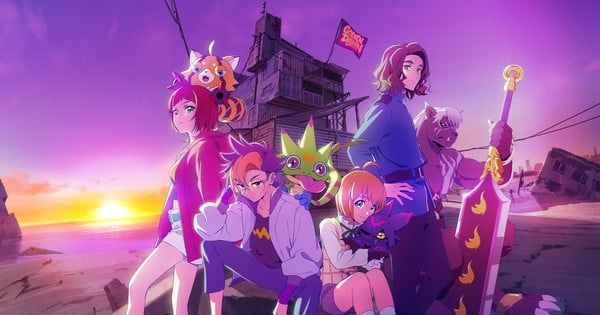
Anime Powerhouses Converge at NYCC: Digimon's New Era and One Piece's Enduring Legacy

📷 Image source: animenewsnetwork.com
New York Comic Con Welcomes Anime Royalty
Major Industry Figures Gather for Exclusive Panels
New York Comic Con has become a pivotal gathering for anime enthusiasts, bringing together some of the industry's most influential creators and performers. According to animenewsnetwork.com, the 2025 convention featured an impressive lineup of Japanese animation professionals, including key figures from both emerging and established franchises. The event provided rare opportunities for Western fans to engage directly with the creative minds behind their favorite series.
The convention's anime programming stood out for its depth and variety, offering insights into production processes, voice acting techniques, and future project developments. Fans witnessed unprecedented access to producers and directors who rarely make public appearances outside Japan. This level of industry participation reflects the growing importance of international markets and fan communities in the global anime ecosystem.
Digimon Beatbreak: A Fresh Take on the Digital World
Producer and Voice Actress Share Behind-the-Scenes Insights
The Digimon Beatbreak panel featured producer Kazuhiro Ochi and voice actress Yuko Sanpei, offering attendees an exclusive look at the newest addition to the Digimon franchise. According to animenewsnetwork.com, Ochi detailed the creative process behind developing this latest iteration while maintaining the core elements that made the original series beloved worldwide. The discussion revealed how the production team balanced nostalgia with innovation to create something both familiar and fresh.
Sanpei, who voices the main character, shared her approach to character development and the challenges of bringing new digital monsters to life through voice acting. She described the collaborative process between voice actors and animation directors, emphasizing how vocal performances evolve throughout production. The panel included never-before-seen concept art and early animation tests, giving fans unprecedented access to the series' development pipeline.
One Piece's Enduring Production Legacy
Long-Running Series Maintains Creative Excellence
One Piece producer Yoshihiko Tominaga and director Toshinori Fukuzawa provided a comprehensive overview of managing the world's longest-running anime series. According to animenewsnetwork.com, Tominaga discussed the logistical challenges of maintaining quality across more than 1,000 episodes while staying true to Eiichiro Oda's original manga. The producer explained how the production team coordinates with the manga creator to ensure narrative consistency and timely adaptation of new story arcs.
Fukuzawa detailed the directorial approach to balancing action sequences, character development, and world-building in each episode. He described the evolution of animation techniques throughout the series' decades-long run, from traditional cel animation to current digital methods. The directors also addressed how they manage pacing in a long-running series, ensuring each episode advances the story while maintaining viewer engagement across multiple seasons.
Technical Evolution in Modern Anime Production
From Traditional Methods to Digital Innovation
Both Digimon Beatbreak and One Piece represent different stages of anime's technical evolution. The Digimon team discussed implementing cutting-edge digital animation tools while preserving the aesthetic qualities that defined earlier series in the franchise. Producers explained how modern software allows for more complex visual effects and smoother motion while reducing production timelines compared to traditional methods.
The One Piece team contrasted their experience with the industry's technological transformation, having started during the transition from cel to digital animation. They described how early digital tools presented both opportunities and limitations, requiring creative solutions to maintain the series' distinctive visual style. Both productions emphasized the importance of balancing technological advancement with artistic integrity, ensuring that new tools enhance rather than replace fundamental storytelling principles.
Voice Acting in the Digital Age
Evolving Techniques and International Considerations
Sanpei's insights revealed how voice acting has evolved alongside animation technology. She described recording sessions where directors can instantly review takes and request adjustments, contrasting with older methods where performances were more isolated from the final visual product. This immediate feedback loop allows for more nuanced character development and better synchronization with animated expressions and movements.
The discussion also touched on international distribution considerations, with voice actors increasingly aware that their performances will reach global audiences. This awareness influences everything from pacing to emotional delivery, as performers consider cultural differences in expression and communication. The globalization of anime has created new responsibilities for voice actors, who must now consider how their performances translate across linguistic and cultural boundaries.
Producer Perspectives on Global Market Expansion
Strategic Approaches to International Audience Engagement
Both producers emphasized the strategic importance of international markets in contemporary anime production. Ochi discussed how Digimon Beatbreak was developed with global appeal in mind from its earliest conceptual stages, incorporating universal themes while maintaining distinctive Japanese cultural elements. This approach represents a shift from earlier anime productions that primarily targeted domestic audiences before considering international distribution.
Tominaga shared how One Piece's production team monitors international fan reactions and feedback, sometimes incorporating popular elements more prominently in subsequent episodes. He described the delicate balance between staying true to the original creator's vision and responding to audience preferences across different regions. Both producers acknowledged the growing influence of streaming platforms in shaping production decisions and release schedules for anime series worldwide.
Franchise Management and Creative Continuity
Balancing Innovation with Established Universes
Managing long-running franchises presents unique creative challenges that both production teams addressed during their panels. The Digimon team discussed introducing new digital monsters and evolutionary lines while respecting established franchise lore. They described their research process, which involves reviewing previous series to ensure consistency in how the digital world operates and how digivolution functions across different iterations.
The One Piece producers detailed their meticulous approach to character continuity and world-building across hundreds of episodes. They explained systems for tracking character appearances, abilities, and relationships to prevent continuity errors in a sprawling narrative. This attention to detail becomes increasingly complex as the series introduces new characters and locations while maintaining connections to earlier story elements and fan-favorite moments from previous arcs.
Audience Interaction and Fan Culture Impact
How Fan Engagement Shapes Production Decisions
Both panels highlighted the growing importance of fan feedback in contemporary anime production. The Digimon team discussed monitoring social media reactions to character designs and story concepts during development, sometimes making adjustments based on early fan responses. This real-time engagement represents a significant shift from traditional production models where audience feedback primarily influenced subsequent seasons rather than current development.
The One Piece team described how fan conventions and online communities provide valuable insights into which characters and story elements resonate most strongly with audiences. While the core narrative follows Oda's manga, production decisions about pacing, emphasis, and animation quality for specific scenes can be influenced by understanding audience preferences. This feedback loop creates a more dynamic relationship between creators and consumers in the anime industry.
Animation Quality and Production Timelines
Maintaining Excellence Under Tight Deadlines
The technical discussions revealed how both productions manage the constant tension between quality and scheduling constraints. The Digimon Beatbreak team described their phased production approach, where key animation sequences receive extra attention while maintaining efficient workflows for less complex scenes. This targeted resource allocation helps maximize visual impact within budget limitations common to television anime production.
The One Piece producers shared their strategies for maintaining consistent quality across a year-round production schedule. They described implementing rotating animation teams that allow for adequate preparation time while meeting weekly broadcast deadlines. This system prevents animator burnout while ensuring that major story moments receive the attention they deserve, with lead animators focusing on crucial episodes while supporting teams handle transitional content.
Cultural Exchange Through Anime
Bridging Japanese Tradition and Global Modernity
The panels explored how anime serves as a cultural bridge, introducing international audiences to Japanese concepts and aesthetics. The Digimon team discussed how they incorporate elements of Japanese mythology and contemporary culture into the digital world's design. These cultural references are presented in ways that international audiences can appreciate without requiring extensive cultural context, making the series accessible while maintaining its distinctive Japanese identity.
The One Piece producers described how the series' diverse world-building intentionally incorporates elements from various global cultures while filtering them through a Japanese creative lens. This approach creates a unique fictional universe that feels both familiar and exotic to international viewers. The series' longevity has allowed for increasingly sophisticated cultural synthesis, with recent story arcs demonstrating more nuanced integration of international influences while maintaining the series' core Japanese creative vision.
Future Directions for Anime Production
Emerging Trends and Technological Frontiers
Both production teams shared their perspectives on where anime is heading in the coming years. The Digimon team discussed experimenting with new animation techniques, including enhanced digital effects and more dynamic camera work made possible by modern software. They also mentioned exploring interactive elements that could complement the viewing experience without disrupting traditional narrative structures.
The One Piece producers looked toward the series' eventual conclusion and how production approaches might evolve as the story reaches its climax. They considered how technological advancements might enhance the final arcs while maintaining visual consistency with earlier seasons. Both teams acknowledged the growing importance of international co-productions and the potential for more collaborative projects that blend Japanese animation expertise with global creative perspectives and funding models.
Perspektif Pembaca
Share Your Anime Experience
Which aspect of anime production interests you most—the voice acting performances that bring characters to life, the intricate animation processes that create vibrant worlds, or the behind-the-scenes production decisions that shape entire series? How has your understanding of anime changed after learning about the creative and technical challenges involved in bringing these stories to the screen?
Many fans develop deep connections with specific series that span years or even decades. What anime franchise has maintained the strongest consistent quality throughout its run in your viewing experience, and what production elements do you believe contribute most to its enduring appeal? Share your perspective on how international audiences influence anime production and whether you've noticed changes in how series are developed for global markets in recent years.
#NYCC2025 #DigimonBeatbreak #OnePiece #AnimeConvention #VoiceActing #AnimeProduction


