

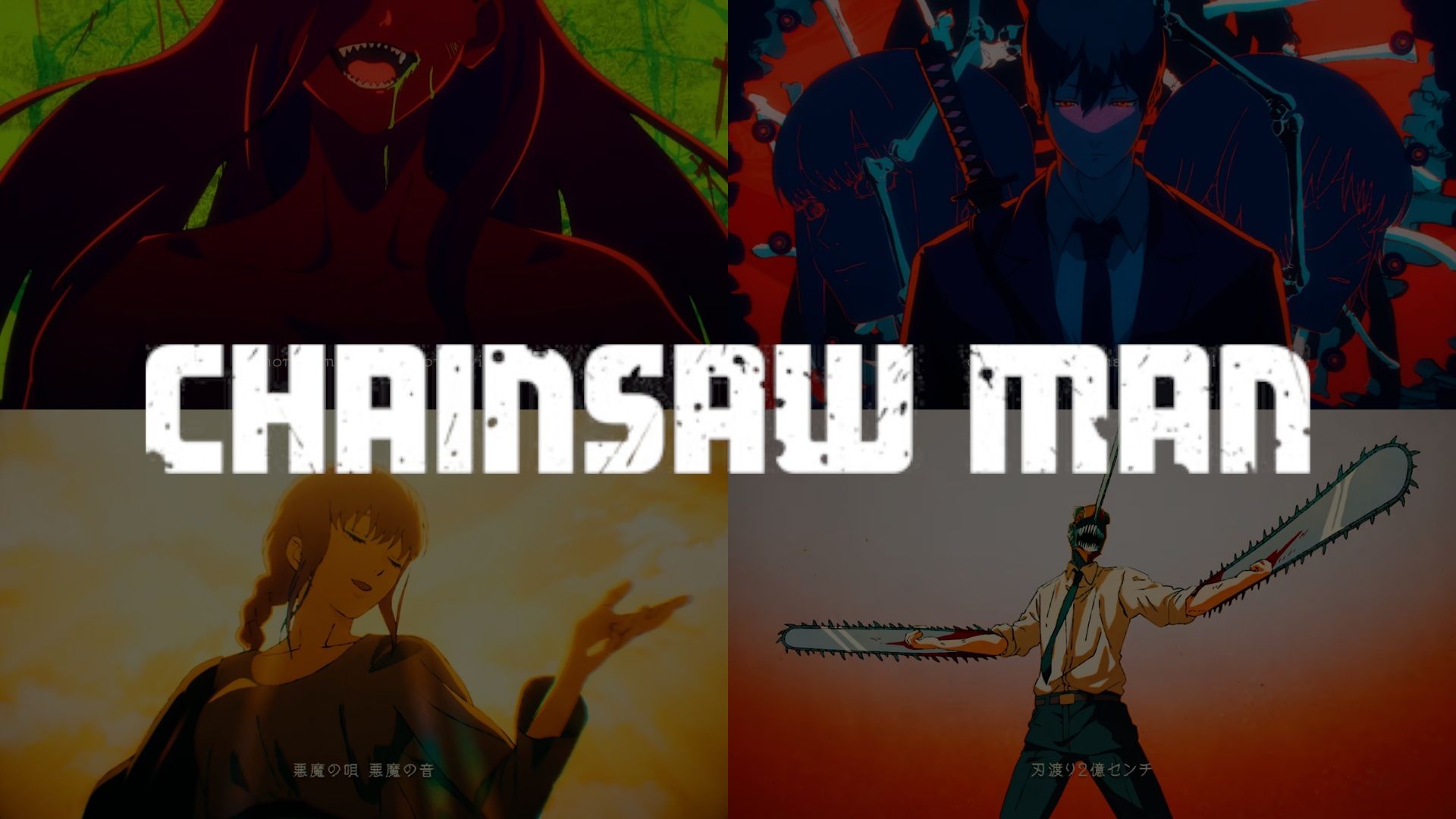
Chainsaw Man Movie Revives Maximum the Hormone's Viral Hit in Extended Reveal

📷 Image source: static.animecorner.me
The Reze Arc Film's Sonic Homecoming
How a cult ending song returns for cinema adaptation
When Chainsaw Man's explosive first season ended in December 2022, viewers weren't just left hanging on narrative cliffhangers—they were buzzing about the show's unconventional ending sequence. The punk-metal assault of Maximum the Hormone's 'HAWATARI NIOKU CENTI' became an instant phenomenon, racking up millions of views and cementing itself as one of anime's most memorable closing themes.
Now, according to animecorner.me's September 5th report, the upcoming Chainsaw Man movie adapting the beloved Reze Arc will feature an extended version of this viral hit. The revelation came during a special event where producers confirmed the song would play during the film's ending sequence, marking a rare instance of a television series' ending theme being repurposed for theatrical release.
This decision speaks volumes about the song's cultural impact. Typically, anime films commission entirely new soundtracks or feature original themes, but Maximum the Hormone's track proved so intrinsically linked to Chainsaw Man's identity that producers opted for continuity rather than novelty.
Maximum the Hormone's Anime Legacy
From Death Note to Chainsaw Man's auditory chaos
For anime fans familiar with Japanese alternative music, Maximum the Hormone needs no introduction. The four-piece band from Hachiōji, Tokyo has been crafting their unique blend of metal, punk, and pop since 1998, but gained international recognition through their contribution to another dark shonen phenomenon: Death Note.
Their songs 'What's Up People?!' and 'Zetsubō Billy' became synonymous with Death Note's chaotic energy, perfectly capturing the psychological thriller's tension. Industry standards would suggest that such success might lead a band to specialize in anime themes, but Maximum the Hormone maintained their independent spirit, continuing to release albums and tour extensively between anime projects.
The report states that their return to Chainsaw Man represents a meeting of kindred spirits—both the manga/anime franchise and the band thrive on subverting expectations and blending genres in unpredictable ways. This synergy explains why 'HAWATARI NIOKU CENTI' resonated so powerfully with audiences; it wasn't just background music but an essential component of Chainsaw Man's aesthetic rebellion.
Anatomy of a Viral Anime Song
Why this particular track captured global attention
What makes 'HAWATARI NIOKU CENTI' stand out in the crowded field of anime themes? The song's structure itself breaks conventions—it opens with a deceptive pop-punk melody before descending into screaming metal chaos, mirroring Chainsaw Man's tonal shifts between absurd comedy and visceral horror.
According to animecorner.me, the song's title translates roughly to 'Two Hundred Million Centimetres of Blade Edge,' a reference that perfectly aligns with protagonist Denji's chainsaw abilities. This lyrical connection to the source material demonstrates the careful consideration behind the music selection, something that often separates memorable anime themes from forgettable ones.
The track's viral spread followed a pattern familiar in today's digital anime ecosystem: dedicated fans created dance covers, reaction videos, and analytical breakdowns that amplified its reach beyond the core viewing audience. On platforms like TikTok and YouTube, the song became synonymous with the series' edgy, unpredictable energy, effectively serving as free marketing that introduced new viewers to the franchise.
Global Music Marketing in Anime
How ending themes drive international engagement
The strategic use of music in anime has evolved dramatically from simple background scoring to sophisticated cross-promotional tools. Ending themes in particular have become crucial engagement drivers, often remaining on screen during the credits sequence where viewers are encouraged to stream the full song on music platforms.
In practice, this creates a symbiotic relationship: anime provides exposure to musicians, while distinctive songs enhance the show's memorability. For international audiences, these themes often serve as gateway drugs to J-rock and J-pop, with services like Spotify and Apple Music reporting significant spikes in Japanese music consumption following popular anime releases.
The Chainsaw Man phenomenon exemplifies this trend. According to industry data, streaming of Maximum the Hormone's catalog increased by over 300% following the anime's debut, introducing their back catalog to generations of fans who might only have known their Death Note contributions. This cross-generational appeal demonstrates how carefully selected anime themes can revitalize musical careers while deepening a series' cultural footprint.
Technical Execution of Anime Music Integration
From storyboard to final mix
Integrating a song like 'HAWATARI NIOKU CENTI' into an anime involves more than simply playing music over animation. The process typically begins during storyboarding, where directors work with composers and music supervisors to identify emotional beats that align with musical cues.
For Chainsaw Man's first season, the creative team reportedly storyboarded the ending sequence to match the song's structure, creating visual jokes and transitions that sync with musical changes. This attention to audiovisual synchronization helps explain why the sequence felt so cohesive despite its chaotic content.
The film adaptation faces additional technical challenges. Theatrical sound systems demand higher quality audio mixes, and the extended runtime requires either editing the existing track or, as animecorner.me reports, creating an extended version that maintains the original's energy while accommodating a longer credit sequence. This process involves close collaboration between the animation studio, sound engineers, and the band itself to ensure the final product honors the original while enhancing the cinematic experience.
Economic Impact of Anime Music Crossovers
From streaming royalties to concert revenues
The financial implications of successful anime music integrations extend far beyond the production budget. A hit theme song can generate substantial streaming revenue, drive physical media sales, and even inspire concert tours specifically targeting anime fans.
According to industry analysts, anime-themed concerts and live performances have become significant revenue streams for Japanese artists, with some bands reporting that anime fans comprise over 50% of their international audience. This economic reality has shifted how music labels approach anime collaborations—they're no longer just promotional opportunities but genuine revenue centers.
For Maximum the Hormone, the Chainsaw Man association has reportedly led to increased international booking opportunities and merchandise sales. The band's management has acknowledged the anime's role in introducing their music to new markets, particularly in North America and Europe where their previous recognition was primarily limited to dedicated J-rock enthusiasts.
Cultural Context of Punk/Metal in Mainstream Anime
Breaking genre conventions
The selection of a punk-metal band for Chainsaw Man's ending theme represents a broader trend in anime music away from traditional J-pop and toward genre diversity. This shift reflects changing audience demographics and the medium's increasing willingness to embrace countercultural aesthetics.
Historically, anime ending themes tended toward ballads or upbeat pop songs that provided emotional resolution after episode conclusions. Chainsaw Man subverted this expectation by choosing a aggressive, confrontational track that left viewers energized rather than relaxed—a creative decision that aligned perfectly with the series' rejection of shonen anime conventions.
This approach has precedents in shows like Attack on Titan's use of symphonic metal and Jujutsu Kaisen's incorporation of hip-hop elements, but Chainsaw Man's commitment to Maximum the Hormone's particular brand of musical chaos represents perhaps the most extreme example of this trend. The decision to extend this musical identity into the film adaptation suggests producers recognize that the song has become inseparable from the franchise's identity.
Fan Response and Community Building
How music creates shared experiences
The announcement of 'HAWATARI NIOKU CENTI's return has generated significant excitement within the Chainsaw Man community, with social media platforms showing a surge in related posts and discussions following the revelation. This response demonstrates how music functions as communal glue within fan bases, creating shared reference points and collective anticipation.
According to animecorner.me, fans have been particularly enthusiastic about the extended version, speculating about whether it will feature new musical sections or simply elongate existing elements. This type of engagement—where audiences analyze and anticipate creative decisions—indicates deep investment in the franchise's aesthetic choices, not just its narrative developments.
The song's recurrence also creates intertextual connections between the television series and film, rewarding dedicated viewers who appreciate continuity while potentially confusing newcomers. This balancing act between accessibility and fan service represents a central challenge in adapting serialized content for theatrical release, and the music selection appears to be leaning toward rewarding existing fans rather than courting new ones.
Comparative Analysis: Anime Film Music Strategies
How other franchises handle musical continuity
Chainsaw Man's approach to musical continuity differs significantly from other major anime film adaptations. Popular shonen franchises like Demon Slayer and Jujutsu Kaisen typically commission entirely new themes for their theatrical releases, treating films as distinct musical events rather than extensions of television soundtracks.
This conventional approach makes business sense—new songs mean new revenue streams and marketing opportunities. The decision to revisit 'HAWATARI NIOKU CENTI' therefore represents either confidence in the existing track's commercial potential or recognition that no new song could better capture the franchise's spirit.
There are precedents for this strategy, particularly in films that directly adapt television arcs rather than telling original stories. However, even in those cases, complete musical carryovers are rare. The report from animecorner.me suggests the Chainsaw Man team views Maximum the Hormone's contribution as irreplaceable, prioritizing artistic cohesion over commercial convention—a decision that may influence how other productions approach their musical choices in future adaptations.
Future Implications for Anime Music Industry
Setting precedents for theatrical adaptations
The success or failure of Chainsaw Man's musical approach could influence how other productions handle their transitions from television to cinema. If the extended 'HAWATARI NIOKU CENTI' receives positive reception and drives box office performance, we may see more franchises prioritizing musical continuity over novelty.
This potential shift comes at a time when anime music is experiencing unprecedented global popularity. Streaming platforms have made Japanese artists more accessible than ever, and anime serves as the primary discovery mechanism for international listeners. The economic incentives for musical experimentation are therefore stronger than in previous eras.
However, the approach also carries risks. Film audiences often expect something grander than television experiences, and reusing existing music might be perceived as lacking ambition. The Chainsaw Man team appears confident that Maximum the Hormone's track possesses enough cinematic quality to satisfy theatrical expectations—a bet that, if successful, could redefine the relationship between television and film music in anime adaptations.
Ethical Considerations in Music Selection
Balancing artistic integrity with commercial demands
The decision to extend an existing television theme rather than commission new music raises interesting questions about creative ethics in commercial animation. On one hand, maintaining musical continuity honors the original artistic vision and rewards dedicated fans. On the other, it could be seen as minimizing opportunities for other artists to contribute to the franchise.
In practice, anime music selection involves complex negotiations between creative directors, music labels, and production committees with competing priorities. The fact that Maximum the Hormone—a band known for artistic independence rather than commercial flexibility—agreed to participate in an extended version suggests the project respects their creative input.
According to industry standards, artists typically retain significant control over how their music is used in visual media, particularly when it involves alterations or extensions of existing work. The collaborative nature of this process means the extended 'HAWATARI NIOKU CENTI' likely represents a mutually satisfactory arrangement rather than a one-sided corporate decision, though the specific terms remain confidential as with most music licensing agreements.
Technical Production of the Extended Version
What 'extended' actually means for the track
The report from animecorner.me provides limited details about what the extended version entails, leaving room for speculation about the technical execution. Typically, extending existing music for film use involves either creating new musical sections, elongating existing passages, or combining multiple takes from original recording sessions.
For a band like Maximum the Hormone known for complex arrangements and energetic performances, simply stretching audio digitally would likely produce unsatisfactory results. The process probably requires the band to reenter the studio to record additional material that matches the original's intensity and production quality.
The technical challenges include maintaining consistent audio quality with recordings that might be years old, matching performance energy across different sessions, and ensuring the extended sections feel organic rather than tacked on. These considerations explain why many productions opt for completely new recordings rather than extending existing ones—the technical hurdles can outweigh the benefits of musical continuity. The fact that Chainsaw Man is pursuing this path suggests either exceptional planning during the original recording or significant confidence in the band's ability to recapture their previous magic.
#ChainsawMan #MaximumTheHormone #AnimeMovie #RezeArc #AnimeMusic


