

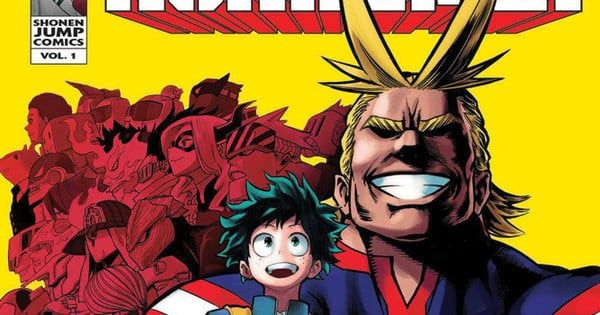
Hollywood's My Hero Academia Live-Action Film Moves Forward with Wonder Woman Writer Jason Fuchs

📷 Image source: animenewsnetwork.com
Hollywood Embraces Japanese Superhero Phenomenon
Acclaimed Screenwriter Jason Fuchs Takes on My Hero Academia Adaptation
Warner Bros. Japan has confirmed the development of a Hollywood live-action adaptation of the immensely popular Japanese superhero franchise My Hero Academia. According to animenewsnetwork.com, the project has enlisted Jason Fuchs, known for his work on Wonder Woman and Ice Age: Continental Drift, to write the screenplay. This move represents one of the most significant Hollywood attempts to adapt a contemporary Japanese manga and anime property since the industry's previous efforts with other major franchises.
The selection of Fuchs signals Warner Bros.' commitment to bringing authentic superhero storytelling expertise to the project. His experience with Wonder Woman, which grossed over $800 million worldwide, demonstrates his ability to handle large-scale superhero narratives while maintaining character depth and emotional resonance. The involvement of a writer with proven blockbuster credentials suggests the studio views My Hero Academia as a potential major franchise rather than a niche adaptation.
The Source Material's Global Appeal
Understanding My Hero Academia's Worldwide Success
My Hero Academia, created by Kōhei Horikoshi, has become a global cultural phenomenon since its manga debut in Weekly Shōnen Jump in 2014. The series follows Izuku Midoriya, a boy born without superpowers in a world where they're common, who nevertheless dreams of becoming a hero. The story explores themes of perseverance, heroism, and what it truly means to be powerful, resonating with audiences across cultural boundaries and age groups.
The franchise has spawned multiple anime seasons, feature films, video games, and extensive merchandise lines. Its international success is particularly notable in North America and Europe, where it has consistently ranked among the top-selling manga and most-streamed anime titles. This existing global fanbase provides a built-in audience for the live-action adaptation while presenting the challenge of meeting high expectations from devoted fans worldwide.
Production Timeline and Development Status
Current Stage of the Live-Action Project
According to the September 9, 2025 report from animenewsnetwork.com, the project is currently in the script development phase with Jason Fuchs actively working on the screenplay. The publication date of animenewsnetwork.com, 2025-09-10T03:34:09+00:00 confirms this as the most recent development update available. No production start date or release window has been announced, indicating the project remains in early development stages.
The absence of additional production details, such as director attachment or casting announcements, suggests Warner Bros. is prioritizing the script development process before moving forward with other key elements. This approach typically indicates a careful, methodical development strategy aimed at ensuring the foundation of the adaptation is solid before committing to production schedules and significant financial investments in physical production elements.
Creative Challenges in Adaptation
Translating Anime Aesthetics to Live-Action
Adapting My Hero Academia presents unique creative challenges, particularly in translating the vibrant, exaggerated visual style of anime into live-action cinema. The series' distinctive character designs, colorful superpowers (known as Quirks), and dynamic action sequences must be reimagined for realistic visual effects while maintaining the spirit of the original material. Previous Hollywood adaptations of Japanese properties have struggled with balancing authenticity to source material with accessibility for broader audiences.
The adaptation must also navigate cultural translation elements while preserving the essential Japanese identity of the source material. Decisions regarding casting, location settings, and cultural references will significantly impact how the adaptation is received by both existing fans and new audiences. The creative team must determine whether to maintain the Japanese setting or adapt it for international contexts, a decision that has proven controversial in previous anime adaptations.
Industry Context of Anime Adaptations
Hollywood's Evolving Approach to Japanese Properties
Hollywood's history with anime and manga adaptations has been mixed, with projects ranging from critically panned productions like Dragonball Evolution to more successful ventures such as the Alita: Battle Angel film. The industry has increasingly recognized the value of Japanese intellectual properties, particularly as streaming platforms have made anime more accessible to global audiences. This growing mainstream acceptance has created more opportunities for faithful adaptations.
The current landscape shows increased collaboration between Japanese rights holders and Hollywood studios, often involving Japanese creative input in adaptation processes. This collaborative approach aims to preserve the essence of original works while making them accessible to international audiences. The success of recent video game adaptations has also demonstrated that previously niche properties can achieve mainstream success when handled with respect for the source material and sufficient production quality.
Potential Market Impact
Financial and Cultural Implications of the Adaptation
A successful My Hero Academia live-action film could significantly impact both the Hollywood landscape and the anime adaptation market. Financially, it represents a substantial investment in a property with proven global appeal but uncertain live-action potential. The film's performance could either open doors for more high-budget anime adaptations or reinforce caution toward similar projects, depending on its critical and commercial reception.
Culturally, the adaptation could further bridge Japanese and Western entertainment industries, potentially leading to increased cultural exchange and collaboration. A successful film might also introduce My Hero Academia to audiences unfamiliar with anime, expanding the franchise's reach beyond its existing fanbase. However, the project also risks alienating core fans if the adaptation is perceived as insufficiently faithful to the source material or culturally insensitive in its approach to translation.
Technical Production Considerations
Visual Effects and Action Sequence Execution
The technical execution of My Hero Academia's superpowers, known as Quirks, will be crucial to the film's success. Each character possesses unique abilities ranging from super strength and speed to more complex powers like creating black holes or manipulating gravity. Translating these diverse abilities into convincing visual effects requires sophisticated CGI technology and creative cinematography approaches that balance spectacle with narrative coherence.
Action sequence choreography must capture the dynamic, fast-paced combat style of the anime while adapting it for live-action realism. The film will need to establish visual rules for how Quirks interact and limitations they might have in a live-action context. Previous superhero films have demonstrated the importance of consistent power mechanics and clear visual storytelling in action sequences, particularly when dealing with large ensembles of characters with diverse abilities.
Character Adaptation Challenges
Translating Iconic Characters to Live-Action
The adaptation faces significant challenges in bringing My Hero Academia's extensive cast of characters to life. Protagonist Izuku Midoriya's journey from Quirkless underdog to aspiring hero requires careful handling to maintain the character's emotional depth and development. Supporting characters like Katsuki Bakugo, Ochaco Uraraka, and All Might each have distinct personalities, visual designs, and character arcs that must be faithfully adapted.
Casting decisions will be particularly scrutinized, especially regarding whether to use Japanese actors for the primarily Japanese characters or pursue international casting for broader market appeal. The film must also balance screen time among the large ensemble cast while ensuring each character's essential qualities and development moments are preserved. Previous ensemble adaptations have struggled with giving adequate attention to multiple characters while maintaining a coherent narrative focus.
Narrative Structure Considerations
Adapting Serialized Storytelling to Feature Film
My Hero Academia's serialized narrative, developed across multiple manga volumes and anime seasons, presents adaptation challenges in condensing extensive storylines into a feature film format. The adaptation must determine which story arcs to include, how to compress timeline elements, and what background information requires exposition for unfamiliar audiences. This balancing act between faithfulness to source material and accessibility for new viewers often proves difficult in adaptations of serialized properties.
The film might choose to focus on a specific story arc, such as the U.A. Entrance Exam or the Sports Festival, or create an original story that incorporates elements from multiple arcs. Either approach requires careful consideration of how to introduce the world, establish character relationships, and deliver satisfying narrative progression within a approximately two-hour runtime. Previous adaptations have employed various strategies, from complete reboots to selective arc adaptations, with varying degrees of success.
Global Reception Expectations
Anticipating Audience Responses Across Markets
The live-action adaptation will likely receive different receptions across various international markets. Existing fans in Japan and other territories with strong anime cultures may have higher expectations for faithfulness to source material, while audiences unfamiliar with the franchise may judge the film solely as a standalone superhero movie. These divergent expectations create challenges in marketing and positioning the film across different regions.
Critical reception may also vary based on cultural perspectives toward adaptation faithfulness, superhero genre conventions, and visual aesthetics. The film's success may depend on its ability to satisfy core fans while remaining accessible to general audiences, a challenge that has proven difficult for many previous adaptations. Industry observers will be watching how the film navigates these competing expectations and whether it can achieve the cross-cultural appeal that has eluded many previous anime-to-live-action adaptations.
Future Franchise Potential
Implications for Expanded Universe Development
The success of the initial live-action film could pave the way for expanded franchise development, including potential sequels, spin-offs, or integrated universe building. My Hero Academia's rich world-building and extensive character roster provide ample material for multiple films or television projects. However, this potential expansion depends entirely on the first film's reception and commercial performance.
A successful adaptation could also influence how other anime properties are approached by Hollywood studios, potentially leading to more faithful adaptations with larger budgets and greater creative ambition. Conversely, a poorly received film might reinforce existing skepticism about the viability of anime adaptations in live-action format. The project's outcome will likely have implications beyond its own franchise, affecting industry attitudes toward Japanese intellectual property adaptations for years to come.
Perspektif Pembaca
Share Your Views on Anime Adaptations
What elements do you believe are most crucial for a successful live-action adaptation of an anime series? Do you prefer strict faithfulness to source material or creative reinterpretation that works better in live-action format? Share your perspective on what makes anime adaptations succeed or fail based on previous examples you've seen.
How do you feel about Western studios adapting Japanese properties, and what cultural considerations should they prioritize? Have you encountered adaptations that particularly impressed or disappointed you in their handling of cultural elements? Your experiences and opinions can provide valuable insight into audience expectations for these cross-cultural projects.
#MyHeroAcademia #LiveAction #WarnerBros #JasonFuchs #AnimeAdaptation


