

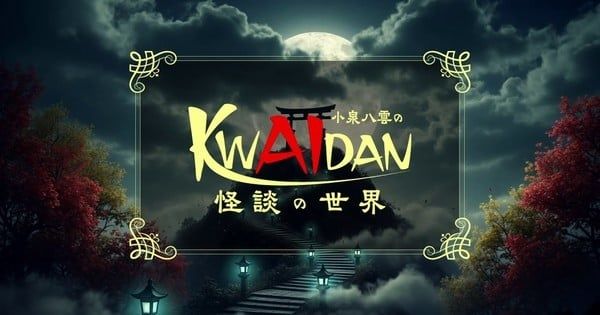
Japanese TV Channel Revolutionizes Folklore Storytelling with AI-Animated Lafcadio Hearn Adaptation

📷 Image source: animenewsnetwork.com
Digital Renaissance Meets Traditional Storytelling
TSK San-in Central TV Channel Pioneers AI-Enhanced Anime Production
A regional Japanese television broadcaster is breaking new ground in animation production by combining artificial intelligence technology with classic supernatural folklore. TSK San-in Central TV Channel, serving Japan's Shimane and Tottori prefectures, has partnered with Digital Entertainment Limited (DLE) to create an innovative short anime series based on Lafcadio Hearn's renowned collection of ghost stories, Kwaidan.
The collaboration represents one of the first major television productions to integrate AI technology throughout the animation process. According to animenewsnetwork.com, the series titled 'The World of Lafcadio Hearn's Kwaidan' will premiere on October 2, 2025, marking a significant milestone in how regional broadcasters approach content creation and cultural preservation through emerging technologies.
Lafcadio Hearn's Enduring Legacy
How a Greek-Irish Writer Became Japan's Master of Supernatural Tales
Patrick Lafcadio Hearn, known in Japan as Koizumi Yakumo, remains one of the most influential Western interpreters of Japanese culture and folklore. Born in 1850 on the Greek island of Lefkada to an Irish father and Greek mother, Hearn eventually settled in Japan in 1890, where he became a naturalized citizen and married into a Japanese family. His collection Kwaidan, which translates to 'ghost stories' or 'weird tales,' compiled traditional Japanese supernatural narratives that might have otherwise been lost to time.
Hearn's work captured the essence of Japanese folk traditions during the Meiji period, preserving stories that reflected the country's spiritual beliefs and cultural values. His writings have inspired numerous adaptations across various media, from classical music compositions to feature films, but this new AI-enhanced anime series represents the most technologically advanced interpretation of his work to date.
The Production Partnership
DLE Brings Technical Expertise to Regional Broadcasting Innovation
Digital Entertainment Limited (DLE), established in 1998, brings substantial animation experience to this groundbreaking project. The Tokyo-based company has developed numerous television series, commercials, and digital content, making them an ideal partner for this technological experiment. Their collaboration with a regional broadcaster demonstrates how innovation in animation production is spreading beyond major studios in Tokyo and Osaka.
The partnership between a regional TV station and an established animation studio represents a new model for content creation in Japan's broadcasting industry. Regional channels typically operate with smaller budgets and resources compared to national networks, making this AI-assisted production approach particularly significant for its potential to democratize high-quality animation production across Japan's diverse broadcasting landscape.
AI Technology in Animation Production
How Artificial Intelligence is Transforming Traditional Techniques
The integration of AI technology in animation represents a fundamental shift in how animated content is produced. While specific technical details about the AI systems used in this production haven't been fully disclosed, industry experts suggest the technology likely assists with various aspects of the animation pipeline. This may include character design assistance, background generation, in-between animation automation, and even stylistic consistency maintenance across episodes.
AI animation tools typically use machine learning algorithms trained on existing animation styles to generate new content that maintains visual consistency while reducing production time and costs. For regional broadcasters working with limited resources, this technology could potentially level the playing field, allowing them to create content that competes visually with productions from major studios with larger budgets and staffing resources.
Cultural Preservation Through Technology
Modern Methods for Safeguarding Traditional Stories
The choice to adapt Lafcadio Hearn's Kwaidan using advanced technology represents a thoughtful approach to cultural preservation. By using cutting-edge AI animation techniques to bring these traditional stories to life, the producers are creating a bridge between Japan's rich folkloric past and its technological future. This approach may help make these traditional tales more accessible and engaging to younger audiences who are increasingly accustomed to digital content.
Regional broadcasters in Japan often serve as important custodians of local culture and traditions. TSK San-in Central TV Channel's decision to invest in this technologically advanced adaptation demonstrates how regional media companies can play a vital role in both preserving cultural heritage and embracing innovation, ensuring that traditional stories remain relevant in an increasingly digital world.
Technical Implementation Challenges
Balancing Innovation with Artistic Integrity
Implementing AI technology in animation production presents several significant challenges that the production team must navigate. One primary concern involves maintaining the artistic integrity and emotional depth of traditional hand-drawn animation while incorporating automated processes. The team must ensure that the AI-generated elements complement rather than overwhelm the human creative input that gives animation its distinctive character and emotional resonance.
Another challenge involves technical integration between traditional animation pipelines and new AI systems. Production teams must develop workflows that allow human animators and AI tools to work together seamlessly, requiring both technical expertise and creative adaptation. The success of this project could provide valuable insights into how other animation studios might incorporate similar technologies while preserving the artistic qualities that make anime distinctive globally.
Broadcast Strategy and Audience Reach
Regional Content with National Implications
TSK San-in Central TV Channel's decision to produce original animated content represents a strategic shift in regional broadcasting. Typically, regional stations in Japan focus on local news, events, and occasionally drama productions, while animation remains primarily the domain of national networks and specialized satellite channels. This venture into animation production, particularly using innovative technology, could signal a new direction for regional broadcasters seeking to differentiate their programming.
The October 2 premiere date positions the series for autumn viewing, traditionally a strong season for supernatural and horror-themed content in Japan. The timing aligns with cultural preferences for ghost stories during the cooler months and may help the series find an audience beyond its regional broadcast area, especially if it gains attention through streaming platforms or national media coverage.
Industry Implications and Future Trends
How AI Animation Could Reshape the Broader Media Landscape
This production represents more than just a single television series—it potentially signals a broader transformation in how animation is produced and distributed. If successful, the AI-assisted approach demonstrated in 'The World of Lafcadio Hearn's Kwaidan' could inspire other regional broadcasters and smaller studios to explore similar technologies. This could lead to increased diversity in animated content as more voices gain access to production capabilities that were previously limited to major studios.
The integration of AI in animation also raises important questions about the future of creative professions in the industry. While AI tools can enhance efficiency and reduce certain production costs, their implementation must be balanced with considerations about preserving employment opportunities for human animators and maintaining the distinctive artistic qualities that have made Japanese animation popular worldwide.
Cultural Context and International Reception
Japanese Folklore Through a Global Lens
Lafcadio Hearn's work has always occupied a unique position at the intersection of Japanese culture and international interpretation. As a Westerner who became deeply immersed in Japanese traditions, Hearn provided a perspective that made Japanese folklore accessible to international audiences while maintaining respect for its cultural origins. This new animated adaptation continues this tradition of cultural bridge-building, using universally accessible animation medium and cutting-edge technology.
The international animation community will likely watch this project with particular interest, as it represents both technological innovation and cultural preservation. Successful implementation of AI in adapting traditional stories could influence how other countries approach their own folkloric traditions using modern animation techniques, potentially creating new opportunities for cultural exchange and understanding through animated storytelling.
Technical Specifications and Production Details
Understanding the Scope of This Innovative Project
While complete technical specifications haven't been released, the project description as a 'short anime/AI show' suggests a format that may differ from traditional television animation. The term likely indicates episodes of shorter duration than standard 30-minute anime episodes, possibly in the 5-15 minute range that has become increasingly popular for digital content. This format would be well-suited to experimental production techniques and might allow for more frequent content updates.
The combination of traditional anime production with AI assistance represents a hybrid approach that maintains human creative direction while leveraging technological efficiency. This balance is crucial for maintaining the artistic quality that audiences expect from Japanese animation while exploring new production methodologies that could make animation more accessible to creators with limited resources.
Historical Precedents and Technological Evolution
From Traditional Animation to AI-Assisted Production
The evolution of animation technology has followed a gradual path from entirely hand-drawn techniques to computer-assisted production, and now toward AI-enhanced processes. Previous technological shifts, such as the adoption of digital coloring and compositing in the 1990s or 3D integration in the 2000s, were initially met with skepticism but eventually became industry standards. The current exploration of AI assistance represents the latest chapter in this ongoing technological evolution.
What makes this project particularly noteworthy is its application by a regional broadcaster rather than a major Tokyo-based studio. This suggests that AI animation tools may be reaching a level of accessibility and affordability that makes them viable for smaller production entities. If successful, this could signal a democratization of animation production capabilities, similar to how digital video technology revolutionized live-action filmmaking two decades ago.
Educational Potential and Cultural Impact
Beyond Entertainment: Preserving Heritage Through Innovation
The educational potential of this AI-animated adaptation extends beyond mere entertainment. By bringing Lafcadio Hearn's collected stories to life through modern animation technology, the production serves as both cultural preservation and educational tool. These stories offer insights into Japanese spiritual beliefs, moral values, and historical perspectives that might otherwise remain inaccessible to contemporary audiences, particularly younger viewers more accustomed to digital media.
The project also demonstrates how regional cultural institutions can leverage technology to maintain relevance in a rapidly changing media landscape. For TSK San-in Central TV Channel, this production represents an investment in both technological innovation and cultural stewardship, potentially creating a model that other regional broadcasters might follow to preserve and promote local cultural heritage through modern media formats.
Perspektif Pembaca
Share Your Perspective on Technology and Tradition
How do you believe emerging technologies like artificial intelligence should balance innovation with cultural preservation when adapting traditional stories and folklore? What aspects of traditional storytelling do you think are most important to maintain when introducing technological innovations?
From your perspective, what responsibilities do media producers have when using new technologies to interpret cultural heritage materials? How can technological advancements enhance rather than diminish the emotional and cultural resonance of traditional stories when adapting them for contemporary audiences?
#AIAnimation #LafcadioHearn #Kwaidan #JapaneseFolklore #AnimeInnovation


