

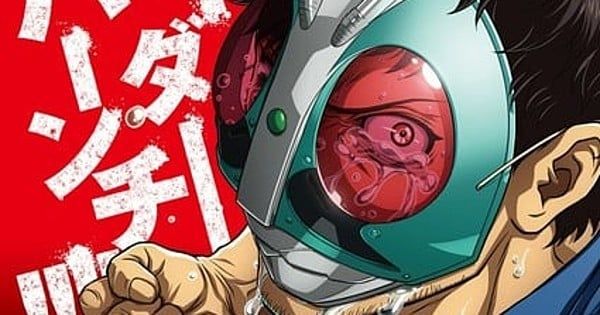
New Anime 'Tojima Tanzaburo Wants to be a Masked Rider' Sets October Premiere with Rock Band Opening

📷 Image source: animenewsnetwork.com
A New Hero Rides Into Anime
Blending School Life with Superhero Action
A fresh anime series titled 'Tojima Tanzaburo Wants to be a Masked Rider' will premiere on October 4, according to animenewsnetwork.com. The show follows high school student Tanzaburo Tojima, who dreams of becoming a Masked Rider—a iconic Japanese superhero franchise known for its armored crimefighters.
The series represents the latest expansion of the long-running Kamen Rider franchise, which began in 1971 and has become a cultural phenomenon in Japan. Unlike previous live-action iterations, this animated approach allows for different storytelling possibilities that might appeal to international audiences unfamiliar with the franchise's history.
The Sound of Heroism
Rock Band Alexandros Provides Musical Backdrop
Japanese rock band Alexandros will perform the opening theme song 'Ride or Die' for the series. The band, known for their energetic rock sound, has previously contributed music to various anime and film projects, building a substantial following both in Japan and internationally.
Music plays a crucial role in anime storytelling, often setting the tone and emotional resonance for entire series. The choice of an established rock band suggests the producers aim for a powerful, contemporary sound that complements the superhero action while appealing to global music tastes beyond traditional anime soundtracks.
Production Team Behind the Mask
Experienced Creators Take on Iconic Franchise
The anime is produced by Toei Animation, the legendary studio behind numerous iconic anime series including Dragon Ball, Sailor Moon, and previous Kamen Rider animations. Directed by Kazuya Kamihoriuchi, whose credits include 'Back Arrow' and 'Fate/Grand Order,' the series benefits from experienced leadership.
Series composition is handled by Keiichi Hasegawa, who has extensive experience with the Kamen Rider franchise, having worked on multiple live-action series. This combination of fresh directorial vision and franchise expertise suggests a balance between innovation and respect for the source material that could satisfy both longtime fans and new viewers.
Character Designs and Visual Identity
Bringing a New Rider to Animated Life
Character designs are created by Toshihiro Kawamoto, known for his work on 'Cowboy Bebop' and 'Mobile Suit Gundam 0083.' His involvement signals a commitment to high-quality animation and distinctive character aesthetics that could help the series stand out in a crowded anime market.
The mechanical designs for the Masked Rider suits are handled by Takayuki Takeya, a renowned sculptor and designer with experience in tokusatsu (special effects) productions. This ensures the iconic Rider aesthetics translate effectively into animation while maintaining the practical, believable quality that defines the franchise's visual appeal.
Global Appeal of Superhero Stories
Why Masked Rider Resonates Beyond Japan
The Kamen Rider franchise, while deeply Japanese in origin, taps into universal superhero tropes that have global appeal. The concept of an ordinary person gaining extraordinary abilities to fight evil resonates across cultures, similar to how American comic book heroes have found worldwide audiences.
Unlike Western superheroes who often operate outside the law, Masked Riders typically work with police or government agencies, reflecting different cultural attitudes toward authority and justice. This distinction offers international viewers a different perspective on superhero mythology while maintaining the core appeal of powered individuals fighting for justice.
Animation vs Live-Action Adaptation
Different Medium, Different Storytelling Possibilities
Anime adaptations allow for more fantastical elements and elaborate action sequences that would be prohibitively expensive or technically challenging in live-action. This freedom could enable 'Tojima Tanzaburo Wants to be a Masked Rider' to explore more imaginative scenarios and visual spectacles.
The animated format also provides opportunities for different character expressions and emotional depth that might be constrained by live-action suit acting. Facial expressions can be exaggerated, action can be more dynamic, and the internal world of the protagonist can be visualized in ways that live-action limitations might prevent.
Historical Context of Kamen Rider
Five Decades of Transforming Heroes
The Kamen Rider franchise began in 1971 with creator Shotaro Ishinomori's vision of a cybernetically enhanced hero fighting against sinister organizations. The original series established core elements that continue today: a hero transformed by villainous forces who uses those powers for good, motorcycle action, and insect-inspired armor.
Over 50 years, the franchise has evolved through multiple eras and interpretations while maintaining its core identity. This new anime continues that tradition of innovation within established parameters, offering both familiarity for longtime fans and accessibility for newcomers through its school-life framing device.
International Distribution Considerations
Bringing Japanese Heroes to Global Audiences
Previous Kamen Rider series have had mixed success internationally due to cultural specificity and the challenge of translating tokusatsu (special effects) aesthetics for different markets. Animation may overcome some of these barriers by presenting the concept in a medium already widely consumed globally.
The school setting provides an accessible entry point for international audiences familiar with anime tropes, while the superhero elements offer crossover appeal. Streaming platforms' global reach means the series could potentially reach audiences who have never encountered the franchise before, introducing Kamen Rider to a new generation worldwide.
Cultural Specificity and Universal Themes
Balancing Japanese Identity with Global Appeal
The series maintains distinctly Japanese elements like school culture, social relationships, and specific aesthetic sensibilities that define the Kamen Rider franchise. These cultural specifics provide authenticity and distinctiveness that can attract international viewers seeking genuine Japanese content rather than Westernized adaptations.
Simultaneously, the universal themes of adolescence, aspiration, and the struggle between good and evil transcend cultural boundaries. The protagonist's desire to become a hero despite obstacles is a relatable narrative across cultures, potentially making the series accessible while preserving its cultural identity.
Market Impact and Franchise Expansion
Strategic Move in Evolving Anime Landscape
The announcement comes during continued global growth in anime consumption, with international revenues now rivaling or exceeding domestic Japanese markets. A new Kamen Rider anime represents both artistic expression and strategic business development for Toei Animation and rights holder Bandai.
Successful anime series typically drive merchandise sales, game adaptations, and potentially live-action international adaptations. The October timing positions the series for maximum impact during the autumn anime season, competing with other major releases while potentially capitalizing on holiday merchandise opportunities across global markets.
Technical Execution and Animation Quality
Modern Production Meets Classic Franchise
Contemporary anime production techniques allow for more dynamic action sequences and detailed mechanical designs than previous Kamen Rider animations. Digital animation tools enable smoother transformations, more elaborate fight choreography, and detailed rendering of the iconic Rider suits and their special abilities.
The production team's experience suggests attention to both character animation quality and the specific visual language of the Kamen Rider franchise. Maintaining the weight and physicality of the suits in animation while achieving fluid movement represents a significant technical challenge that could define the series' visual success and audience reception.
Global Perspectives
How does the globalization of anime affect the preservation of culturally specific elements in long-running franchises like Kamen Rider? Do international audiences prefer authentic Japanese storytelling or adaptations tailored to local sensibilities?
What responsibilities do production companies have when introducing culturally specific content to global markets? Should they educate international audiences about cultural context, or allow viewers to discover and interpret these elements independently?
#KamenRider #ToeiAnimation #Alexandros #AnimePremiere #MaskedRider


