

The Definitive Guide to Josei Anime: 10 Groundbreaking Series That Redefine Mature Storytelling

📷 Image source: comicbook.com
Understanding Josei Anime
Beyond Shojo and Shonen
Josei anime represents a distinct category of Japanese animation specifically targeting adult women, typically aged 18-45. Unlike shojo anime which focuses on teenage romance and shonen anime centered on action and adventure, josei series explore complex adult relationships, career challenges, and psychological depth. The term 'josei' literally translates to 'woman' in Japanese, reflecting its targeted demographic and thematic focus.
These series often feature nuanced character development, realistic dialogue, and mature themes that resonate with women navigating adulthood. While josei anime shares some similarities with seinen (aimed at adult men), it distinguishes itself through its particular emphasis on female perspectives and experiences. The genre has gained international recognition for its sophisticated storytelling and emotional authenticity.
Historical Evolution of Josei
From Niche to Mainstream
Josei anime emerged in the 1980s as publishers recognized the growing market of adult female manga readers who wanted stories reflecting their life experiences. Initially serialized in specialized magazines like Feel Young and You, these works gradually transitioned into animated formats. The early josei adaptations were often limited to original video animations (OVAs) due to their niche appeal and mature content.
The genre gained significant momentum in the 2000s with breakthrough series that demonstrated commercial viability. Streaming platforms later revolutionized josei's accessibility, allowing international audiences to discover these sophisticated narratives. Today, josei anime represents some of the most critically acclaimed works in the industry, though it remains less prolific than other demographic categories in terms of total productions.
Nana: The Genre-Defining Masterpiece
When Two Worlds Collide
According to comicbook.com's ranking published on September 7, 2025, Nana stands as the pinnacle of josei achievement. The series follows two unrelated women both named Nana who meet by chance while traveling to Tokyo. Nana Komatsu is a romantic, dependent woman seeking love and stability, while Nana Osaki is a proud punk rock vocalist pursuing musical success. Their contrasting personalities create a dynamic friendship that forms the story's emotional core.
The anime explores themes of love, ambition, friendship, and independence with remarkable depth and authenticity. Set against the backdrop of Tokyo's music scene, it portrays the struggles of young adults navigating career aspirations and personal relationships. The series' realistic character development and emotional complexity have made it a benchmark for josei storytelling, resonating with audiences worldwide despite its unfinished narrative.
Princess Jellyfish: Breaking Stereotypes
Finding Confidence in Unlikely Places
Ranked second in comicbook.com's evaluation, Princess Jellyfish (Kuragehime) combines social commentary with heartwarming character growth. The story centers on Tsukimi Kurashita, a jellyfish-obsessed woman living in a shared house with other female otaku who avoid social interaction. Their isolated existence is disrupted when a stylish fashionista named Kuranosuke helps them save their home from redevelopment.
The series brilliantly explores themes of self-acceptance, friendship, and challenging social norms. Through its diverse cast of female characters, each with unique interests and insecurities, Princess Jellyfish celebrates individuality while critiquing beauty standards and gender expectations. The anime's blend of comedy, drama, and social observation makes it accessible while maintaining sophisticated commentary on contemporary womanhood.
Chihayafuru: Competitive Passion
The Poetry of Determination
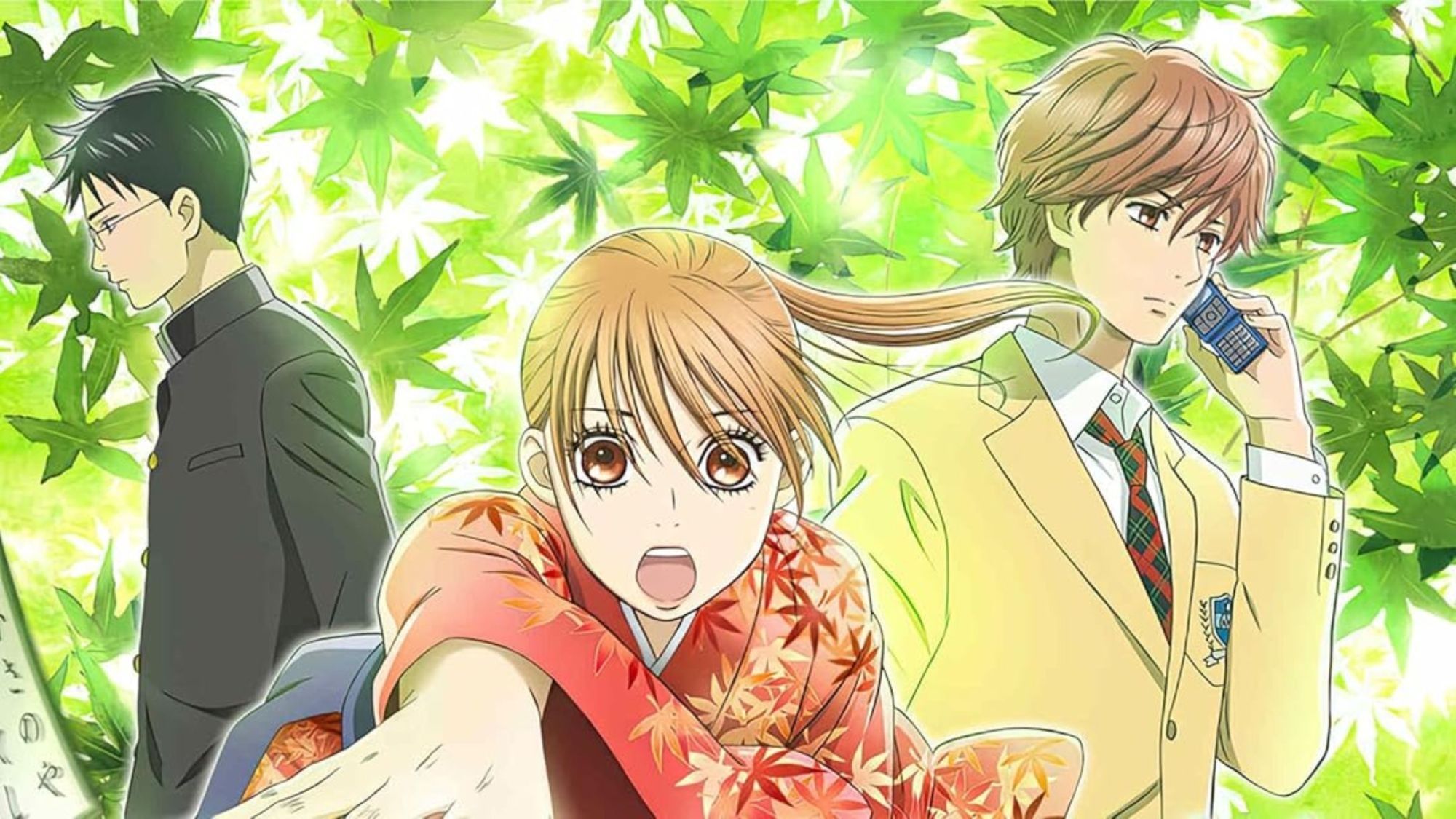
Chihayafuru demonstrates how josei anime can transform niche subjects into compelling narratives. The series follows Chihaya Ayase, who discovers her passion for karuta, a traditional Japanese card game based on classical poetry. Her journey from beginner to competitive player forms the backbone of this sports anime with deep emotional resonance.
The anime excels in character development, particularly through its love triangle between Chihaya and childhood friends Arata and Taichi. Unlike typical romance-focused narratives, Chihayafuru balances competitive intensity with personal growth, exploring how passion can define and transform relationships. The series has been credited with revitalizing interest in karuta among young Japanese women, demonstrating josei's cultural impact beyond entertainment.
Showa Genroku Rakugo Shinju: Artistic Legacy
Preserving Cultural Heritage
This critically acclaimed series explores the traditional Japanese art of rakugo, a form of verbal storytelling. The narrative spans generations, following two performers whose lives become intertwined through their art and personal conflicts. The anime's sophisticated approach to storytelling reflects josei's capacity for historical and cultural exploration.
Through its examination of artistic passion, legacy, and personal sacrifice, the series offers profound insights into creative dedication. The complex relationship between the two main characters evolves over decades, showcasing how josei anime can handle time progression with remarkable depth. The series has been praised for its authentic portrayal of traditional Japanese performance arts while maintaining compelling personal drama.
International Reception and Cultural Impact
Crossing Cultural Boundaries
Josei anime has experienced growing international appreciation despite cultural specificities that might seem challenging for global audiences. Western viewers have embraced these series for their mature storytelling and emotional authenticity, often comparing them to premium television dramas. Streaming services have played a crucial role in this global dissemination, providing access to titles that previously remained unknown outside Japan.
The genre's focus on universal adult experiences—career challenges, relationship complexities, and personal growth—transcends cultural barriers. However, some cultural nuances require additional context for international viewers, particularly regarding social dynamics and traditional elements. This cultural exchange has enriched global understanding of Japanese society while providing diverse narrative alternatives to Western adult animation.
Production Challenges and Industry Position
Niche Market Realities
Despite critical acclaim, josei anime faces significant production challenges within the industry. The demographic represents a smaller market compared to shonen or shojo categories, resulting in lower budgets and fewer adaptations. Production committees often prioritize projects with broader commercial appeal, making josei adaptations relatively rare compared to other genres.
Many josei series originate from successful manga, leveraging existing fanbases to justify animation investments. The transition from page to screen requires careful adaptation to maintain the subtle character development and mature themes that define the genre. Recent years have seen increased experimentation with digital distribution models that might better support niche content, potentially offering new opportunities for josei productions.
Thematic Diversity Within Josei
Beyond Romance and Drama
While romance remains a significant component, josei anime explores diverse themes beyond relationship narratives. Series like Mushishi venture into supernatural territory while maintaining the genre's characteristic depth and contemplation. Other titles incorporate elements of mystery, historical fiction, or professional drama, demonstrating josei's versatility within mature storytelling.
This thematic diversity challenges misconceptions that josei focuses exclusively on romance or domestic stories. The genre's defining characteristic isn't subject matter but rather its approach to character development and emotional authenticity. This flexibility allows josei to incorporate various genres while maintaining its distinctive perspective and narrative sophistication.
Future Directions and Evolution
Adapting to Changing Audiences
The josei genre continues evolving to reflect changing societal attitudes and audience expectations. Recent series have shown increased diversity in character representation and more progressive approaches to relationships and career depictions. Digital platforms have enabled more experimental storytelling formats that might influence future josei productions.
International audience growth presents both opportunities and challenges for the genre's development. While increased global interest could justify more productions, there's concern about potential dilution of culturally specific elements. The future likely holds continued niche status for josei anime but with potentially greater recognition as sophisticated storytelling gains appreciation worldwide.
Perspektif Pembaca
Share Your Experience
Which josei anime resonated most with your personal experiences as an adult viewer? How did the series reflect or challenge your perspectives on relationships, career, or personal growth? Share your thoughts on what makes josei storytelling distinctive from other anime genres you've encountered.
We're interested in hearing about moments when a josei series particularly surprised you with its emotional authenticity or narrative depth. Your personal experiences help illustrate the genre's impact beyond entertainment and its ability to address real adult concerns through animated storytelling.
#JoseiAnime #Nana #PrincessJellyfish #MatureAnime #AdultStorytelling


