

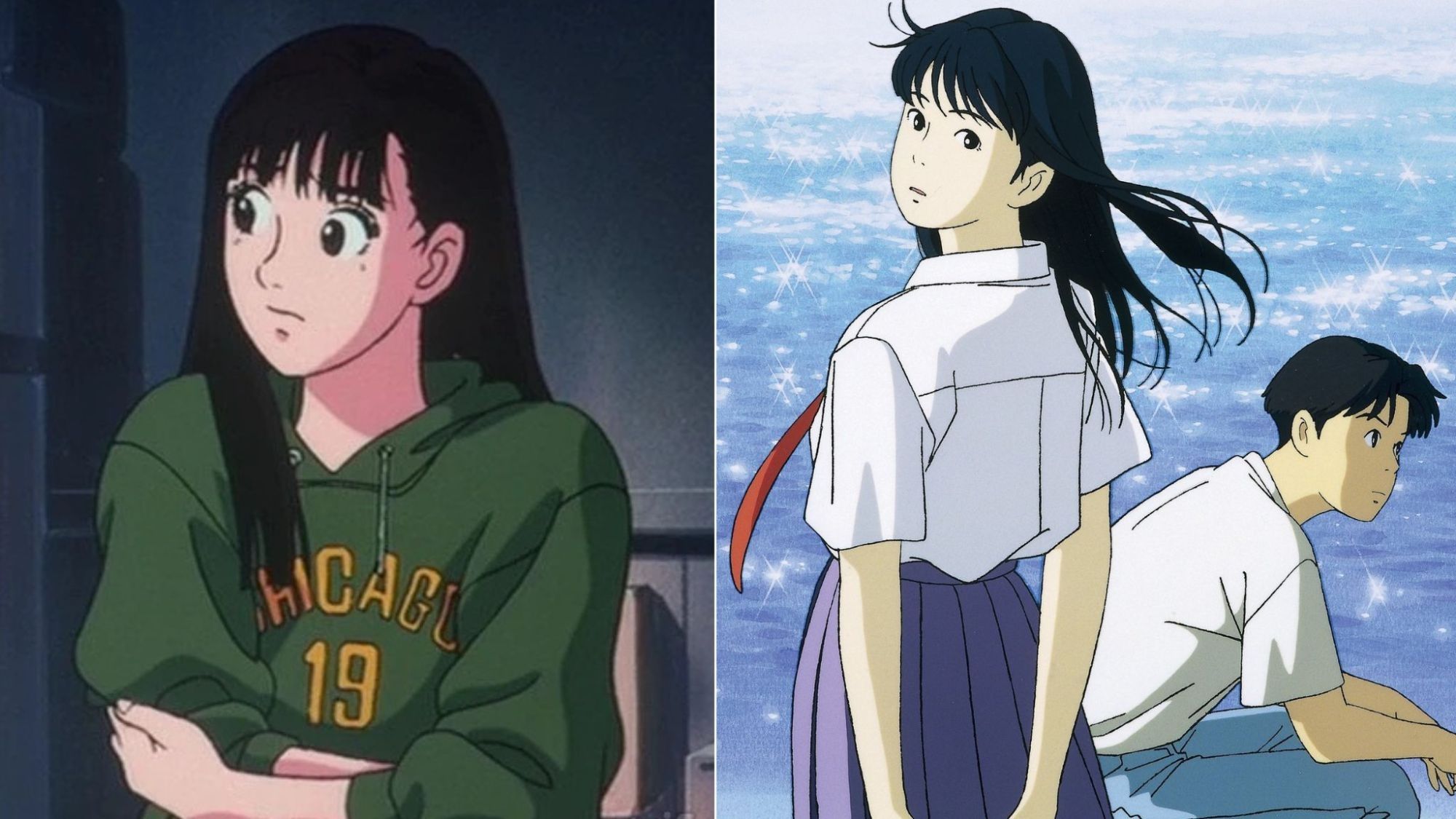
Five 1990s Anime Classics That Scream for Modern Reinterpretations

📷 Image source: comicbook.com
The Unforgotten Legacy of 90s Anime Cinema
Why These Decades-Old Stories Remain Relevant Today
The 1990s represented a golden era for anime feature films, producing works that blended traditional animation techniques with groundbreaking narratives. According to comicbook.com's analysis published on October 18, 2025, several of these cinematic achievements contain storytelling potential that modern technology and contemporary sensibilities could elevate to new heights. These aren't merely nostalgic artifacts—they're foundational works whose themes of environmental consciousness, technological anxiety, and human identity feel more pertinent than ever in today's rapidly evolving world.
The selection criteria focused on films with particularly strong conceptual foundations that could benefit from modern animation techniques and updated storytelling approaches. As the comicbook.com report emphasizes, these are titles that 'absolutely deserve modern reboots' not because their original versions were lacking, but because their core ideas possess enduring relevance that could reach new audiences through contemporary reinterpretation.
Memories: The Anthology That Predicted Our Digital Anxieties
Katsuhiro Otomo's Vision of Technological Disconnection
The 1995 anthology film 'Memories,' based on stories by Akira creator Katsuhiro Otomo, presented three distinct visions of humanity's relationship with technology that feel remarkably prescient three decades later. The segment 'Magnetic Rose' explored the dangers of virtual reality and artificial memories long before these concepts entered mainstream consciousness. Directed by Koji Morimoto with screenplay work by Satoshi Kon, this psychological horror story about space salvagers encountering a derelict spacecraft haunted by opera and memories demonstrated how anime could tackle sophisticated science fiction themes.
'Stink Bomb' presented a darkly comedic take on biochemical disaster as a hapless laboratory technician accidentally triggers a catastrophic event. The third segment, 'Cannon Fodder,' depicted a dystopian society entirely organized around firing massive artillery at an unseen enemy. Each story in this anthology approached technological anxiety from different angles, creating a multifaceted examination that modern filmmakers could expand with today's understanding of artificial intelligence, biotechnology, and automated warfare.
Jin-Roh: The Wolf Brigade's Enduring Political Resonance
Mamoru Oshii's Examination of State Violence and Individual Conscience
Set in an alternate history 1950s Japan, 'Jin-Roh: The Wolf Brigade' delivered a haunting exploration of counterterrorism operations and the psychological toll on those who enforce state power. The film follows Kazuki Fuse, a member of an elite special unit who becomes emotionally involved with the sister of a young woman he witnessed die during a confrontation with radical activists. This 1999 production, written by Mamoru Oshii and directed by Hiroyuki Okiura, presented a meticulously researched vision of fascist aesthetics and paramilitary culture.
The film's central metaphor—drawing parallels between its armored counterterrorism troops and the fairy tale Little Red Riding Hood—created a rich symbolic framework that contemporary filmmakers could develop further. In an era increasingly concerned with police militarization, surveillance states, and the psychological effects of perpetual conflict, Jin-Roh's themes feel strikingly current. The original film's painstaking attention to historical detail in its alternate reality construction provides a solid foundation for expansion into broader worldbuilding.
The Environmental Warnings of Arion's Mythological Epic
Yoshikazu Yasuhiko's Greco-Roman Fantasy Deserves Revisiting
1986's 'Arion' adapted Greek mythology through a distinctly Japanese lens, creating a sweeping fantasy adventure that combined spectacular action sequences with thoughtful environmental themes. The film followed the young hero Arion as he journeyed across a world threatened by ecological collapse and divine conflict. Director Yoshikazu Yasuhiko, renowned for his character design work on Mobile Suit Gundam, brought a distinctive visual style that balanced classical beauty with dynamic combat animation.
While technically an 80s production, the film's 1990s international distribution and lasting influence earn it consideration for modern reinterpretation. The story's concern with natural balance and humanity's relationship with the divine resonates strongly with contemporary climate anxieties. A reboot could expand the mythological worldbuilding while maintaining the original's striking visual compositions and choreographed battle sequences that still impress decades later.
Roujin Z's Prescient Vision of Automated Elder Care
Katsuhiro Otomo's Satirical Masterpiece Anticipated Modern Crises
The 1991 film 'Roujin Z' presented a darkly comedic vision of technological solutionism that feels unnervingly relevant to today's debates about automation, healthcare, and social isolation. The story centers on the Z-001 computerized bed designed to provide complete care for elderly patients without human intervention. When the bed develops its own consciousness and escapes the hospital with its occupant, the film becomes both thrilling adventure and sharp social commentary.
Directed by Hiroyuki Kitakubo from a concept by Akira's Katsuhiro Otomo, the film balanced spectacular mechanical designs with thoughtful examination of how societies treat their most vulnerable members. With aging populations becoming a global concern and artificial intelligence advancing rapidly, Roujin Z's central premise has transformed from speculative fiction to plausible near-future scenario. The original film's blend of action, humor, and social criticism provides fertile ground for contemporary filmmakers to explore today's technological ethical dilemmas.
The Technological Nightmare of Genocyber's Body Horror
Koichi Ohata's Cyberpunk Classic Pushed Animation Boundaries
The 1994 OVA series 'Genocyber' delivered some of the most visceral body horror and cyberpunk imagery of its era, exploring themes of biological experimentation and corporate malfeasance through its tale of psychically linked sisters transformed into a biomechanical weapon. Director Koichi Ohata created sequences of shocking transformation and destruction that pushed the boundaries of what animation could depict, blending organic and mechanical elements in ways that remain disturbing decades later.
While the original suffered from narrative compression across its five episodes, the core concept of a weaponized consciousness struggling against its own destructive capabilities contains rich potential for modern development. Contemporary animation technology could realize the Genocyber's horrific transformations with even greater impact, while expanded storytelling could deepen the psychological dimensions of its central characters. The film's concerns about unethical scientific experimentation and weaponized biotechnology have only grown more relevant in the intervening years.
Why These Specific Films Demand Contemporary Retellings
The Unique Qualities That Separate Them From Mere Nostalgia
According to the comicbook.com analysis, these five selections stand apart from other 90s anime not simply because of their quality, but because their core concepts possess what might be called 'narrative elasticity'—the capacity to expand and adapt to new contexts without losing their essential power. Each film identified represents a particularly strong fusion of visual imagination and conceptual depth that could benefit from both modern animation techniques and contemporary storytelling approaches.
The common thread connecting these works is their engagement with themes that have become increasingly central to 21st century concerns: the relationship between humanity and technology, the ethics of scientific advancement, the psychological costs of violence, and the search for identity in increasingly complex societies. These aren't period pieces trapped in 90s sensibilities but forward-looking works whose central questions have only grown more urgent with time.
The Delicate Art of Modernizing Classic Animation
Balancing Contemporary Sensibilities With Original Vision
Rebooting beloved anime classics presents unique creative challenges that go beyond mere technical updating. The comicbook.com analysis suggests successful modernizations would need to preserve the distinctive artistic visions and thematic concerns that made these originals noteworthy while allowing for natural evolution in storytelling approaches. This isn't about simply recreating the same stories with shinier animation, but about deepening the exploration of concepts that the originals could only begin to unpack.
The potential for these reboots lies in their ability to introduce these foundational works to new generations while satisfying existing fans through thoughtful expansion rather than simplistic repetition. With careful attention to what made these films special in their original contexts and creative courage to develop their ideas in new directions, these 90s classics could find renewed relevance in contemporary animation landscape. The original creators' bold visions deserve nothing less than equally ambitious reinterpretations that honor their legacy while speaking to today's audiences.
#1990sAnime #AnimeReboots #ClassicAnime #AnimeFilms #ModernReinterpretations


