

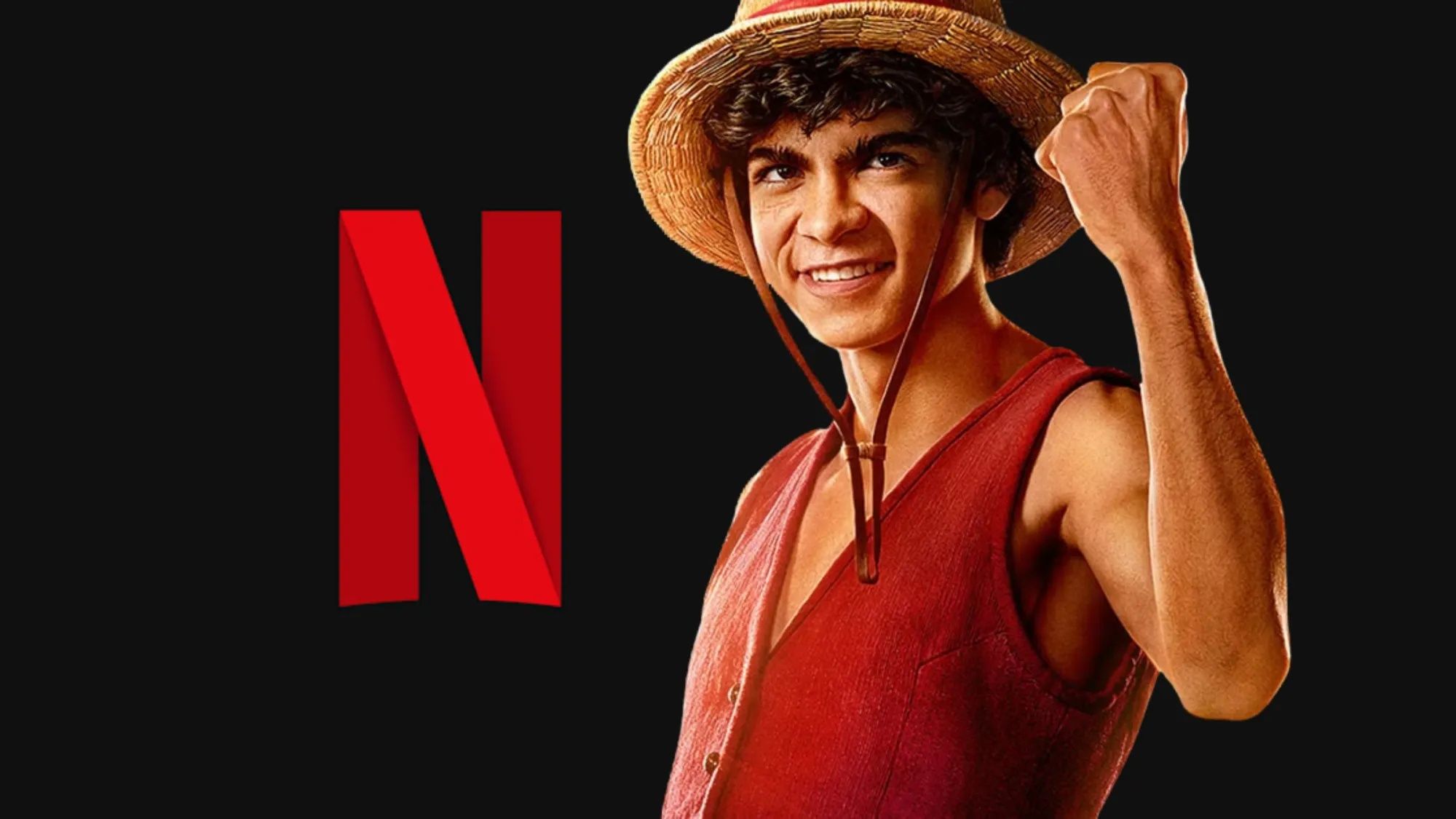
Netflix's New Live-Action Anime Adaptation Mirrors One Piece's Successful Formula

📷 Image source: comicbook.com
Netflix's Strategic Approach to Anime Adaptations
Following the One Piece blueprint for success
Netflix is applying the same careful treatment that made its One Piece live-action adaptation a global hit to its upcoming project, according to comicbook.com. The streaming giant appears to have learned valuable lessons from both its successes and failures in translating anime to live-action format. This strategic approach signals a maturation in how Western platforms handle beloved Japanese properties, moving beyond simple localization to genuine cultural adaptation.
The success of One Piece's live-action version demonstrated that faithful adaptations can resonate with both existing fans and new audiences. Netflix's commitment to replicating this formula suggests the company recognizes the enormous potential in properly executed anime adaptations. With millions of subscribers worldwide, the platform has the reach to introduce these stories to viewers who might never have encountered the original anime versions.
The Production Team Behind the Magic
Experienced hands guiding the adaptation
According to comicbook.com's report published on November 14, 2025, the upcoming adaptation is being developed by Tomorrow Studios, the same production company behind the successful One Piece live-action series. This continuity in creative leadership provides confidence that the new project will maintain the same quality standards and respectful approach to source material. Tomorrow Studios has demonstrated its understanding of what makes anime adaptations work, balancing faithfulness to original stories with necessary adjustments for the live-action medium.
The involvement of key personnel from the One Piece project ensures institutional knowledge carries forward. These creators understand the delicate balance required when adapting animated expressions to real-world settings while preserving the heart of what made the original compelling. Their previous experience navigating fan expectations while creating accessible entertainment for broader audiences positions this new project for potential success.
What Made One Piece Work So Well
Analyzing the winning formula
The One Piece live-action adaptation succeeded where others failed by maintaining the core spirit of Eiichiro Oda's creation while making thoughtful adjustments for the different medium. According to comicbook.com, the production team worked closely with the original creator, ensuring authenticity in character portrayals and story progression. This collaborative approach between Western producers and Japanese creators proved essential in maintaining the soul of the source material.
Visual storytelling choices in One Piece demonstrated how to translate anime's exaggerated expressions into believable live-action performances. The production design captured the unique world-building without appearing overly cartoonish, while costume design balanced recognizability with practical realism. These careful considerations showed respect for the original while understanding the requirements of live-action television production.
The Challenges of Live-Action Anime Translation
Navigating the pitfalls of adaptation
Previous failed anime adaptations have highlighted numerous challenges that Netflix must continue to overcome. The transition from animation to live-action requires reimagining visual styles, character designs, and sometimes even story elements that work in drawn form but become awkward when performed by real actors. According to comicbook.com, the careful approach taken with One Piece addressed these issues through thoughtful creative decisions rather than radical reinvention.
Cultural translation presents another significant hurdle. Anime often contains humor, social commentary, and character dynamics deeply rooted in Japanese culture that may not automatically resonate with international audiences. The successful adaptations find ways to preserve these essential elements while making them accessible to viewers unfamiliar with the cultural context. This delicate balancing act requires deep understanding of both the source material and the target audience.
Fan Expectations and Creative Freedom
Walking the tightrope between faithfulness and innovation
According to comicbook.com, the production team understands that dedicated anime fans approach live-action adaptations with both excitement and trepidation. The memory of disappointing previous adaptations looms large in fan communities, creating high stakes for any new attempt. The successful One Piece adaptation demonstrated that fans will embrace changes when they serve the story and respect the original creation's spirit.
Creative teams must determine which elements are sacrosanct and which can be modified for the new medium. This decision-making process requires both artistic vision and deep knowledge of what makes the original work resonate with audiences. Getting this balance wrong can alienate the built-in fanbase, while being too slavishly faithful can result in an adaptation that fails as television storytelling.
The Business Case for Anime Adaptations
Why streaming services are investing heavily
Netflix's continued investment in anime adaptations reflects the growing global appetite for Japanese entertainment content. According to comicbook.com, the success of One Piece demonstrated the commercial viability of high-quality live-action anime productions. These projects offer streaming services the opportunity to attract both existing anime fans and new viewers curious about these widely-discussed stories.
The international nature of streaming platforms makes anime adaptations particularly valuable as they can appeal across multiple markets simultaneously. A well-executed adaptation can become a global phenomenon, generating subscriber interest, social media buzz, and cultural relevance. For Netflix, which competes in an increasingly crowded streaming landscape, these high-profile adaptations represent potential flagship content that can define the platform's brand identity.
Technical Considerations in Production
From animation to real-world execution
Translating anime's distinctive visual language to live-action requires innovative solutions across multiple production departments. According to comicbook.com, the team behind One Piece developed techniques for bringing the manga's unique aesthetic to life without relying heavily on CGI. This practical approach helped ground the fantastic elements in a tangible reality that viewers could connect with emotionally.
Costume and production design face particular challenges in making anime-inspired creations work in three dimensions. Colors, proportions, and stylistic elements that appear natural in animation can seem jarring or artificial when physically constructed. The successful adaptation finds the sweet spot where the world feels recognizable to fans while being believable as a physical environment inhabited by real people.
The Future of Anime Adaptations
Setting new standards for the industry
According to comicbook.com's November 14, 2025 report, Netflix's commitment to applying the One Piece treatment to future adaptations suggests a long-term strategy rather than isolated experiments. This approach could establish new industry standards for how anime and manga properties are adapted for international audiences. As more streaming services recognize the value of these properties, the quality bar for adaptations continues to rise.
The success of this model could influence how other Japanese media properties are handled in international markets. Video game adaptations, light novel series, and other forms of Japanese entertainment might benefit from similar careful, respectful approaches. For anime fans, this trend represents hope that their favorite stories will receive the quality adaptations they deserve rather than quick cash-grab productions.
Cultural Exchange Through Adaptation
Bridging entertainment traditions
These high-profile adaptations serve as cultural bridges, introducing international audiences to Japanese storytelling traditions while allowing Japanese creators to reach broader markets. According to comicbook.com, the collaborative nature of productions like One Piece creates opportunities for creative exchange between Eastern and Western entertainment industries. This cross-pollination can enrich both traditions while creating something new and exciting for global audiences.
The respect shown for source material in successful adaptations helps preserve the unique qualities that made the originals compelling. Rather than homogenizing Japanese stories for international consumption, the best adaptations find ways to make culturally specific elements accessible without diluting them. This approach honors the original creators' visions while sharing their work with audiences who might otherwise never encounter it.
#Netflix #LiveActionAnime #OnePiece #AnimeAdaptation #TomorrowStudios


