

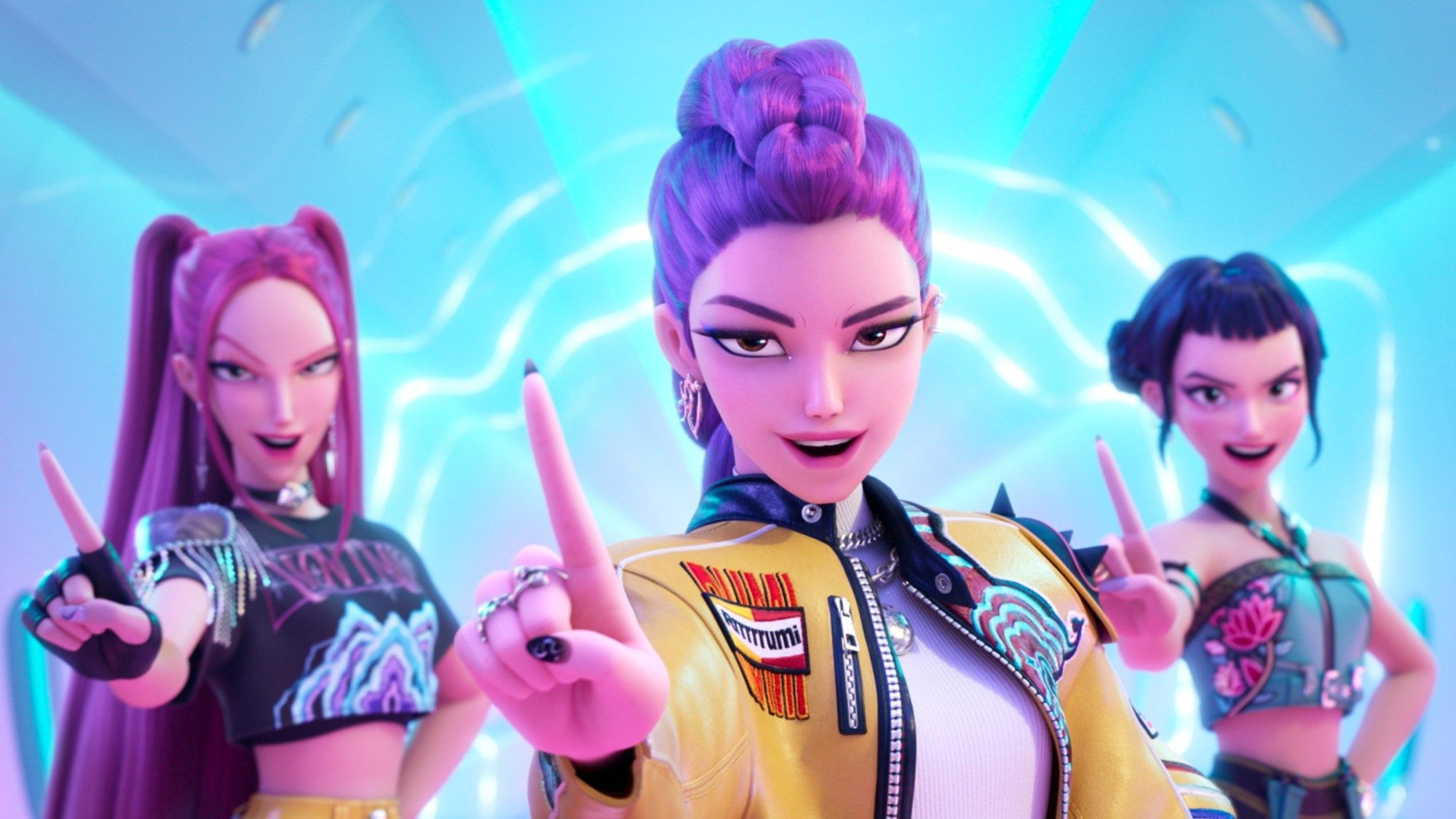
When East Meets West: 10 Western Cartoons That Mastered the Anime Aesthetic

📷 Image source: comicbook.com
The Blurred Lines Between Anime and Western Animation
How Cultural Exchange Reshaped Global Animation
The distinction between anime and Western cartoons has become increasingly fluid in recent decades. While anime traditionally refers to animation produced in Japan, numerous Western creators have successfully adopted its distinctive visual language and storytelling techniques. According to comicbook.com's analysis published on November 13, 2025, this cultural cross-pollination has produced several remarkable series that challenge conventional categorization.
The global appeal of anime's artistic conventions—from exaggerated emotional expressions to complex character development—has inspired animators worldwide. These Western productions demonstrate how cultural boundaries in animation continue to dissolve, creating hybrid works that appeal to international audiences. The exchange represents more than mere imitation; it signifies a genuine appreciation and adaptation of storytelling methods that resonate across cultures.
Avatar: The Last Airbender - A Masterclass in Cultural Fusion
How an American Series Redefined Western Animation Standards
Avatar: The Last Airbender stands as perhaps the most successful integration of anime aesthetics into Western animation. Created by Michael Dante DiMartino and Bryan Konietzko, the series combines elemental magic systems with deeply Asian-inspired cultures and philosophies. The show's character designs feature the large, expressive eyes and simplified facial structures characteristic of anime, while maintaining its own distinct visual identity.
The series' commitment to long-form storytelling and character development mirrors the narrative depth found in premium anime productions. Unlike many Western cartoons of its era, Avatar featured a predetermined story arc with a clear beginning, middle, and end—a structural approach more common in anime. This allowed for sophisticated character evolution and world-building that typically requires multiple seasons to develop properly, demonstrating how Western creators could adopt anime's serialized storytelling strengths.
The Teen Titans Transformation
DC's Superhero Team Gets an Anime Makeover
When Teen Titans debuted in 2003, its anime-inspired aesthetic marked a significant departure from previous DC animated adaptations. The series incorporated chibi-style comedy segments, dramatic speed lines, and dynamic action sequences that echoed popular shonen anime of the period. Character designs featured the angular hairstyles and proportionally larger eyes associated with Japanese animation, while maintaining the core identities of established DC characters.
The show's tone balanced serious superhero drama with moments of exaggerated comedy, another hallmark of many anime series. This stylistic choice allowed Teen Titans to explore darker themes while maintaining accessibility for younger viewers. The integration of Japanese cultural elements, including anime-style opening sequences and transformation scenes, demonstrated how Western properties could successfully adapt Eastern visual languages without losing their essential character.
Samurai Jack's Cinematic Ambition
Genndy Tartakovsky's Minimalist Masterpiece
Samurai Jack represents a different approach to anime influence, focusing more on cinematic composition and visual storytelling than direct stylistic imitation. Creator Genndy Tartakovsky developed a unique aesthetic that combined anime's dramatic framing with his own minimalist sensibilities. The series features extended sequences with minimal dialogue, relying on visual storytelling techniques that echo the work of Japanese masters like Hayao Miyazaki.
The show's environmental design demonstrates particular anime influence, with backgrounds that often resemble traditional Japanese ink wash paintings. This artistic choice creates a timeless quality that complements the protagonist's journey through different eras. Samurai Jack's action choreography also shows clear anime inspiration, with fight scenes that emphasize fluid motion and dramatic posing over realistic combat physics, creating a ballet-like quality to its violence.
The Boondocks: Social Commentary Through Anime Lens
Aaron McGruder's Provocative Fusion of Styles
The Boondocks stands as one of the most distinctive examples of anime influence in adult-oriented Western animation. Creator Aaron McGruder explicitly cited anime as a major inspiration, particularly the works of Shinichiro Watanabe. The series incorporates dramatic action sequences, stylized violence, and visual metaphors that would feel at home in mature anime productions, all while delivering sharp social commentary.
The show's aesthetic choices serve its thematic content, using anime's visual language to heighten emotional moments and action sequences. Characters frequently break into exaggerated expressions during comedic moments, while serious scenes employ the dramatic lighting and composition found in psychological anime. This fusion allows The Boondocks to shift tones rapidly while maintaining visual coherence, demonstrating how anime techniques can enhance rather than distract from substantive storytelling.
RWBY: Western Creation, Anime Soul
How Rooster Teeth Built a Global Phenomenon
RWBY represents a unique case where Western creators produced a series that many international viewers initially mistook for genuine anime. Produced by Texas-based Rooster Teeth, the series features character designs, combat choreography, and narrative structures that closely align with Japanese animation conventions. The show's weapon designs and transformation sequences particularly echo the elaborate mechanical designs found in mecha and magical girl anime.
The series demonstrates how digital animation tools have democratized the ability to create anime-style content outside Japan. RWBY's success in Japanese markets further blurs the distinction between anime and Western animation, suggesting that stylistic authenticity may matter more than geographical origin for contemporary audiences. This reception challenges traditional definitions of what constitutes anime and highlights the global nature of modern animation production.
Technical Evolution and Stylistic Adoption
How Technology Enabled Cross-Cultural Animation Exchange
The proliferation of digital animation tools has played a crucial role in enabling Western creators to adopt anime aesthetics. Traditional cel animation required specific techniques and resources that were geographically concentrated in Japan, but digital platforms have made these visual approaches more accessible worldwide. Software like Adobe Animate and Toon Boom Harmony provides tools that can replicate the line quality and coloring techniques characteristic of anime.
The internet has also facilitated direct cultural exchange, allowing Western animators to study anime techniques without formal training. Online communities share tutorials on achieving specific anime effects, from creating dynamic speed lines to mastering the distinctive ways anime characters express emotion through facial expressions. This knowledge sharing has accelerated the integration of anime aesthetics into Western productions, creating a feedback loop where influences travel in both directions across the Pacific.
Cultural Authenticity Versus Creative Inspiration
Navigating the Complexities of Cultural Exchange
The adoption of anime aesthetics by Western creators raises questions about cultural appropriation versus appreciation. Some critics argue that Western series borrowing anime styles risk diluting or misrepresenting Japanese cultural elements. However, proponents see this exchange as natural cultural evolution, similar to how Japanese artists have incorporated Western artistic techniques for centuries. The most successful hybrid productions typically demonstrate genuine understanding and respect for their inspirations.
This cultural exchange operates in both directions, with Japanese anime increasingly incorporating elements from Western animation and live-action cinema. The boundaries between national animation styles continue to blur in an increasingly globalized media landscape. What matters most appears to be not the origin of stylistic elements, but how effectively they serve the story and characters within any given production.
Market Forces and Audience Expectations
How Global Demand Shapes Animation Styles
The growing international market for anime has influenced Western studios to incorporate similar aesthetics into their productions. As younger audiences develop tastes shaped by both Western cartoons and Japanese anime, creators face pressure to deliver content that appeals to these hybrid sensibilities. This commercial reality has accelerated the adoption of anime techniques in Western animation, particularly for action-oriented series targeting teenage and young adult demographics.
Streaming platforms have further eroded geographical boundaries in animation consumption. Services like Crunchyroll, Netflix, and Hulu make both anime and Western animation equally accessible to global audiences. This availability has created viewers who are equally comfortable with multiple animation traditions and who appreciate productions that blend stylistic elements from different traditions. The result is a more diverse animation landscape where creators can draw inspiration from worldwide sources.
The Future of Transnational Animation
Where Cultural Boundaries May Disappear Entirely
As animation production becomes increasingly globalized, the distinction between anime and Western cartoons may eventually become meaningless. International co-productions, where teams from multiple countries collaborate on single projects, are becoming more common. These collaborations naturally blend artistic traditions and storytelling approaches, creating works that cannot be easily categorized by national origin.
The rising generation of animators often receives training that incorporates multiple animation traditions, further breaking down stylistic boundaries. Animation schools worldwide now teach both Western and Eastern techniques, producing creators who move fluidly between different visual languages. This educational integration suggests that future animation may be defined less by geographical style and more by individual creative vision and narrative requirements.
Perspektif Pembaca
Share Your View on Animation's Evolving Identity
As animation styles continue to blend across cultures, where do you see the future of distinctive national animation traditions? Do you prefer productions that maintain clear cultural identities, or do you find hybrid approaches more exciting and innovative?
From your perspective, what Western cartoon has most successfully integrated anime elements while maintaining its own unique voice? Have you encountered any series that attempted this fusion unsuccessfully, and what factors do you think determined their failure to resonate with audiences?
#AnimeAesthetic #WesternCartoons #CulturalFusion #AnimationTrends #AvatarTheLastAirbender #TeenTitans


