

Digital Canvas Under Threat: Manga Artist Abandons X Over AI Image Editing Feature

📷 Image source: static.animecorner.me
A Platform Loses a Creator
Boichi's Departure Signals a Watershed Moment
In a move that has rippled through the global digital art community, acclaimed manga artist Boichi announced he will cease posting his artwork on the social media platform X. The decision, shared with his 1.3 million followers, comes as a direct response to the platform's introduction of a controversial 'Edit Image' feature. According to the artist's statement published on animecorner.me on December 24, 2025, the new tool, which allows users to significantly alter images posted by others using generative AI, represents an unacceptable violation of artistic integrity.
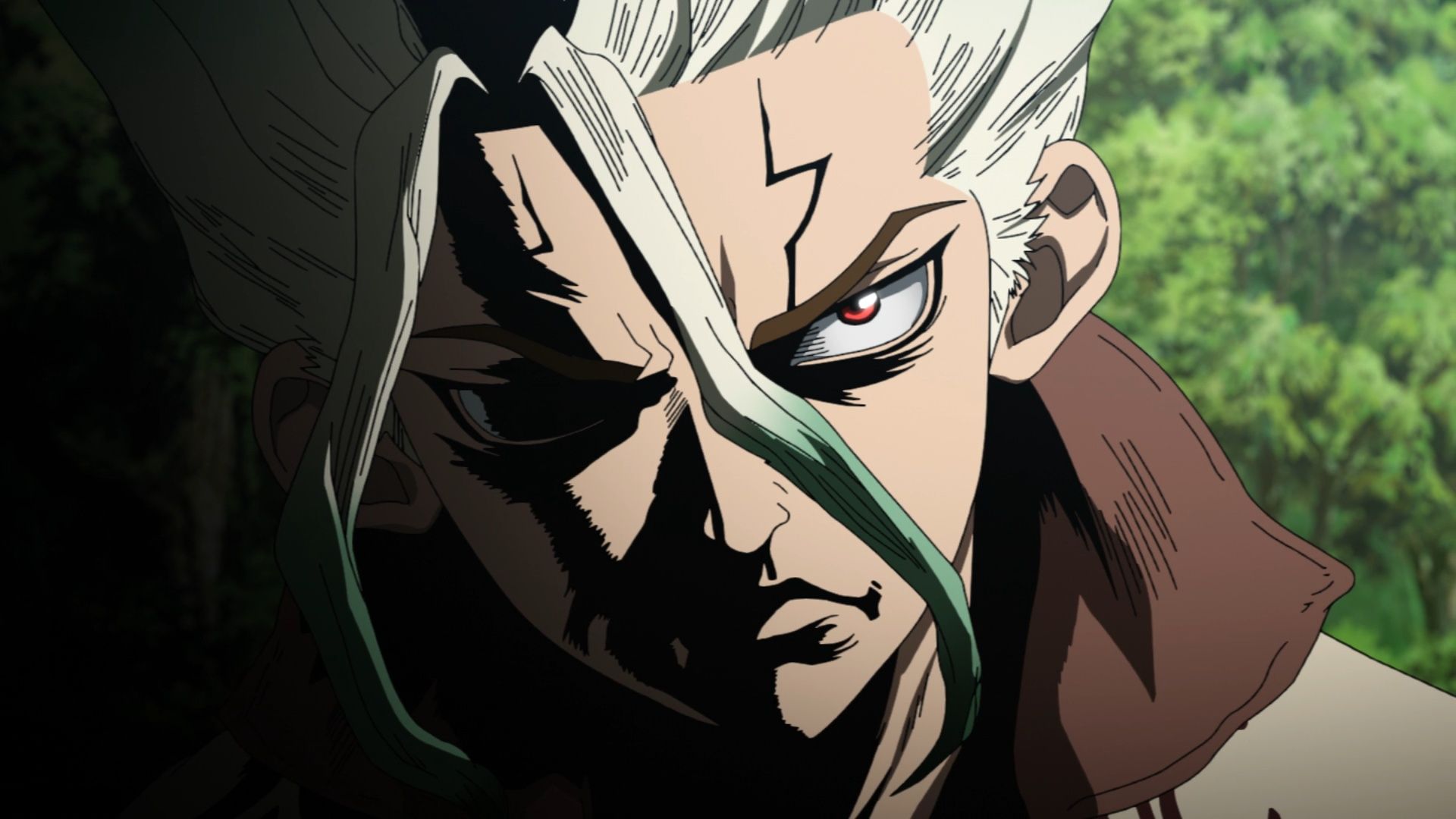
Boichi, best known as the artist for the hit series 'Dr. STONE,' described his choice as one made 'with a heavy heart.' His departure is not merely a personal protest but a stark indicator of a growing schism between creative professionals and social media platforms that prioritize engagement tools over creator rights. This incident places X's policies under intense scrutiny, questioning whether its features are designed to foster community or inadvertently enable widespread digital forgery and content manipulation at an unprecedented scale.
Deconstructing the 'Edit Image' Feature
How a Tool for Engagement Became a Weapon for Alteration
The core of the controversy lies in the mechanics of X's new feature. Unlike simple filters or cropping tools, the 'Edit Image' function reportedly leverages advanced generative artificial intelligence (AI). This allows a user to take any publicly posted image and fundamentally transform its content—changing characters, backgrounds, styles, or elements with simple text prompts. The original poster receives no notification that their work has been edited and redistributed, creating a chain of altered content that can be nearly impossible to trace back to the source.
This technical capability raises immediate questions about consent and authorship. For visual artists, whose livelihood and reputation are built on a unique style and body of work, the feature effectively allows anyone to create unauthorized derivatives or parodies that could be mistaken for original pieces. The feature's design, which seemingly omits robust watermarking or attribution trails for edits, turns every uploaded piece of art into raw material for an AI remix, fundamentally challenging traditional concepts of copyright and creative ownership in the digital sphere.
The Artist's Stance: A Matter of Principle
Why a Popular Channel Was Worth Abandoning
Boichi's statement, as reported by animecorner.me, is unequivocal. He expressed profound discomfort with the idea that his artwork, often involving characters he has meticulously designed over years, could be arbitrarily altered by strangers and then disseminated as new content. For an artist, each line and shade is a deliberate choice; an AI-powered edit scrambles that intentionality, potentially creating outputs that conflict with the original narrative, character personalities, or artistic vision.
His decision carries significant professional weight. X has been a primary hub for artists globally to share work, build audiences, and connect with fans and peers. Walking away from a platform with over a million followers represents a tangible financial and promotional risk. This underscores that the issue for Boichi and many watching is not one of convenience but of foundational principle. The move frames the 'Edit Image' feature not as a playful addition, but as an existential threat to the control artists must maintain over their digital output.
Broader Implications for the Creative Industry
Beyond Manga: A Precedent for All Digital Creators
While Boichi's case is prominent, it highlights a universal vulnerability for creators in the AI age. Illustrators, photographers, digital painters, and even casual sharers of personal photos are exposed to the same functionality. The feature democratizes image manipulation to a degree that blurs the line between fan art, parody, and malicious misrepresentation. Industries reliant on visual intellectual property, from comic publishing to advertising, now face a new frontier of content policing.
The international context is critical. Different jurisdictions have varying laws on copyright, fair use, and moral rights (the right of an artist to object to derogatory treatment of their work). A platform like X operates globally, yet a feature like this may violate the strict moral rights statutes present in countries like Japan and France, where an artist's right to protect the integrity of their work is strongly protected by law. This creates a potential legal minefield where platform policy clashes with national copyright regimes.
Platform Responsibility and Ethical Design
The Question of Guardrails in Tech Development
The controversy forces a re-examination of the ethics of feature deployment by major tech platforms. Critics argue that tools with significant potential for misuse require equally significant safeguards. These could include opt-in permissions from original posters, immutable watermarking that persists through edits, clear labeling of AI-modified content, or limiting the feature to private accounts. The apparent absence of such measures in the initial rollout suggests a product development process that may have prioritized novelty and user engagement over creator welfare.
This is not X's first clash with creative communities. The platform's shifting policies on content monetization, algorithm visibility, and data scraping have previously caused concern. The 'Edit Image' feature, however, strikes at the very product creators offer: the image itself. It presents a fundamental question for all social media companies: what is the core value exchange with creators who supply the content that attracts users? When platform tools actively undermine that value, a exodus of top talent becomes inevitable, degrading the ecosystem for everyone.
Historical Parallels: From Analog to Digital Manipulation
A Long-Standing Battle for Authenticity
The struggle to maintain the integrity of visual work is not new. Before digital tools, photo retouching in darkrooms and fraudulent art reproductions were persistent issues. However, the scale and ease of manipulation have been revolutionized by AI. What once required expert skill can now be achieved by anyone with a smartphone and a few seconds. This democratization of alteration power breaks down traditional trust models surrounding visual media.
Past technological shifts, like the advent of Photoshop, also sparked debates about truth in imagery, leading to journalistic standards for disclosure of edits. The current AI wave is different in its generative capacity; it doesn't just enhance or remove, but can create entirely new elements that never existed. This moves beyond editing into the realm of synthesis, making the need for new norms, disclosures, and technical standards more urgent than ever. Boichi's protest is a modern manifestation of an age-old artist's plea: respect the work as it was made.
The Ripple Effect: Community and Fan Reactions
Solidarity, Concern, and a Search for Alternatives
The reaction from the online art community has been one of strong solidarity mixed with anxiety. Many fellow artists have echoed Boichi's concerns, stating they are reviewing their own presence on X. Fans have expressed disappointment at losing a direct channel to the artist but largely support his principled stand. The discussion has rapidly expanded from this single case to a broader audit of which platforms currently offer the safest and most respectful environments for sharing original art.
This search for alternatives is accelerating. Platforms like Bluesky, which offer protocol-based design allowing for greater user and community control, are seeing increased interest. Others are advocating for a return to more curated portfolio sites or decentralized platforms. The incident demonstrates that creator loyalty is fluid and can be shattered by a single poorly considered feature. For a community that drives massive cultural trends and engagement, their migration can redefine a platform's cultural relevance overnight.
The Business Impact: When Creators Are the Product
The Economic Calculus of Platform Features
Social media platforms operate on an attention economy, where user engagement is the primary currency. Features that increase interaction, such as easy sharing, commenting, and now, AI remixing, are typically seen as positive for metrics. However, Boichi's exit reveals a critical flaw in this logic: if the features that boost short-term engagement degrade the quality and authenticity of the core content, they ultimately poison the well. High-caliber creators attract dedicated audiences; driving those creators away diminishes the platform's value.
The financial model is also at stake. Many artists use platforms like X to promote paid work, commissions, and merchandise. If the platform allows their promotional art to be distorted, it directly harms their business. Furthermore, the legal liability for hosting and distributing altered copyrighted material without clear labeling could become significant. The business impact thus flows two ways: loss of valuable creator content and potential escalation in legal and moderation costs associated with the new feature's fallout.
Potential Mitigations and Technical Solutions
Paths Forward for Coexistence
The situation is not necessarily irreparable. Technical solutions exist that could balance user fun with creator protection. One proposal is a system of verified 'source' images. Artists could upload a cryptographically signed original, and any edits made through the platform's official tool would carry an immutable, machine-readable label linking back to that source, stating clearly it is an AI-modified version. This would preserve a chain of attribution.
Another option is a granular permissions system. Creators could set flags on their images: 'no derivatives,' 'allow non-commercial edits only,' or 'open for remix.' The platform's AI tool would then respect these digital boundaries. Implementing such systems is complex and requires a philosophical shift from viewing all uploaded content as free raw material for engagement to recognizing it as the protected intellectual property of its creator. The feasibility of these solutions will be a major test of the platform's commitment to its creative user base.
A Global Perspective on Digital Rights
How Different Regions Might Respond
The fallout from this feature will likely vary by region, reflecting local laws and cultural attitudes toward copyright and technology. In the European Union, regulations like the Digital Services Act (DSA) and strong copyright directives could be invoked to demand transparency and accountability from the platform regarding how it handles and allows modification of copyrighted works. The EU's approach often emphasizes the rights of the individual creator or rights-holder.
In contrast, the United States has a stronger tradition of 'fair use,' which allows for transformative works under certain conditions. This could lead to debates over whether AI-edited images constitute transformative parody or commentary. Japan, as the home of Boichi and a global leader in manga and anime, has extremely strong cultural and legal protections for creator rights. Pressure from its massive creative industry could force specific concessions or feature adjustments in that market. This global patchwork of responses may force platforms to adopt region-specific policies, a complex but necessary acknowledgment of differing digital rights frameworks.
The Future of Artistic Sharing Online
Navigating a New Era of Generative Tools
Boichi's departure is a canary in the coal mine for the future of online art sharing. As generative AI tools become more powerful and ubiquitous, the tension between creative expression and content manipulation will only intensify. Platforms will be forced to choose sides: will they be neutral conduits where anything goes, or will they build ethically-informed architectures that protect the provenance and integrity of original work?
The incident also pushes creators to reconsider their relationship with centralized platforms. Reliance on a single corporate-controlled space for audience building carries inherent risk, as policies can change overnight. This may spur greater adoption of decentralized web (Web3) models, personal websites with RSS feeds, or artist-owned community hubs where the rules of engagement are set by the creators themselves. The goal is no longer just to find an audience, but to find a respectful and sustainable digital home for one's work.
Reader Perspective
The clash between platform innovation and creator rights is a defining issue of our digital age. Boichi's decision is a powerful individual action, but the systemic questions remain unresolved.
Where do you stand on the balance between open remix culture and an artist's right to control their work? For online artists and illustrators, have recent changes in platform tools altered how or where you choose to share your original work? Share your experiences and perspective on navigating this evolving landscape.
#Boichi #MangaArtist #AIethics #DigitalArt #Copyright #Xplatform


