

From Manga to Console: The Gachiakuta RPG Expands the Franchise's Post-Apocalyptic World

📷 Image source: animenewsnetwork.com
A Major Franchise Announcement
The Gachiakuta Universe Expands Beyond the Page
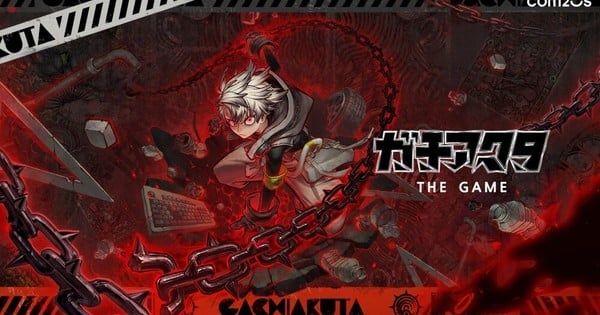
The popular manga series Gachiakuta is officially getting a video game adaptation. According to animenewsnetwork.com, publisher Bandai Namco Entertainment and developer ILCA have announced Gachiakuta, an action role-playing game (RPG) slated for release on PlayStation 5, Xbox Series X|S, and PC via Steam. The announcement was made on December 21, 2025, marking a significant expansion for the franchise.
This move follows a growing trend of successful manga and anime properties receiving high-budget console game treatments. The original Gachiakuta manga, created by Kei Urana with artwork by Hideyoshi Ando, has been serialized in Kodansha's Weekly Shōnen Magazine since 2022. The game's announcement suggests the publisher has significant confidence in the property's world-building and fanbase to support a major multi-platform release.
Understanding the World of Gachiakuta
A Primer on the Source Material's Unique Setting
For those unfamiliar with the source material, Gachiakuta presents a distinctive post-apocalyptic fantasy world. The story is set in a society starkly divided between a wealthy, floating city known as The Garden and a massive trash heap called The Dumps, which exists on the surface below. The term 'Gachiakuta' itself refers to a class of people born in The Dumps who possess the ability to imbue discarded trash, or 'junk,' with powerful abilities, effectively turning garbage into weapons and tools.
The narrative follows Rudo, a young man falsely accused of murder in The Garden and cast down into The Dumps. To survive and seek revenge, he joins a group of 'Janitors,' who are essentially bounty hunters tasked with eliminating monstrous threats born from the trash. This core premise of using empowered refuse for combat and exploration provides a rich and unusual foundation for an action RPG, differentiating it from more conventional fantasy or sci-fi settings.
The Development Team and Their Pedigree
ILCA and Bandai Namco Take the Helm
The development of the Gachiakuta RPG is being handled by ILCA, a Japanese studio with a notable track record in supporting major game productions. ILCA is known for its co-development work on titles like Pokémon Brilliant Diamond and Shining Pearl, as well as contributing to the development of the Dragon Quest and Ace Combat series. Their involvement suggests a focus on polished, character-driven gameplay and high-fidelity visuals that can do justice to the manga's detailed artwork.
Publisher Bandai Namco Entertainment brings its extensive experience in localizing and marketing Japanese media worldwide, particularly for anime and manga-adjacent games. This partnership aims to ensure the game meets quality standards for both dedicated fans of the manga and newcomers to the world of Gachiakuta. The collaboration indicates a project with substantial backing, aiming for a mainstream console gaming audience rather than a niche release.
Anticipated Gameplay and Core Mechanics
How Might the 'Junk' Power System Translate to Gameplay?
While specific gameplay details from the initial announcement are limited, the core concept of the manga strongly suggests the game's central mechanics. Players will likely control Rudo or other Janitors, utilizing a variety of 'Gear'—junk items imbued with spiritual power. This could translate to a dynamic combat system where players collect different types of trash, each granting unique abilities, weapon forms, or elemental attacks. The combat may blend melee action with strategic ability use based on the Gear equipped.
Beyond combat, the environment of The Dumps itself could be a key gameplay element. Exploration might involve using specific Gear abilities to solve environmental puzzles, traverse hazardous landscapes of compressed waste, or uncover secrets buried within the trash. The RPG elements will presumably include character progression, skill trees tied to different junk types, and a narrative that expands upon the manga's story, potentially offering original story arcs supervised by the manga's creator.
The Visual and Artistic Direction
Bridging Manga Aesthetics with 3D Game Design
One of the most significant challenges and opportunities for the Gachiakuta RPG lies in its visual translation. The manga, illustrated by Hideyoshi Ando, is renowned for its intricate, gritty linework and highly detailed depictions of both characters and the sprawling, grotesque landscapes of The Dumps. Capturing this distinct aesthetic in a 3D game environment will be crucial for maintaining the franchise's identity and satisfying its existing readership.
The development team may employ a stylized approach to rendering, using advanced shading and texture work to mimic the feel of ink and pen drawings. The design of the monstrous 'Abandoned' creatures—beings born from accumulated resentment in trash—will be a particular focal point, requiring creative 3D modeling to bring their chaotic, junk-based anatomies to life. Successfully realizing this world could set a new benchmark for adapting visually complex manga into the video game medium.
Market Context and Franchise Strategy
Capitalizing on a Growing Intellectual Property
The announcement of a console RPG is a clear signal of Kodansha and Bandai Namco's ambitions for Gachiakuta as a major multimedia franchise. The manga has been building a steady audience since its 2022 debut, and a high-profile game release often serves as a catalyst for broader recognition, potentially boosting manga sales and paving the way for an anime adaptation. This strategic expansion is a common lifecycle for successful shōnen properties in the modern media landscape.
Releasing on all major current-generation platforms (PS5, Xbox Series X|S, and PC) demonstrates an intent to capture a global market from day one. It avoids the platform exclusivity that can limit a title's reach, suggesting the publishers view Gachiakuta as having international appeal beyond its Japanese manga roots. The choice of Steam for PC distribution also aligns with global gaming trends, ensuring accessibility to a massive player base.
Potential Challenges in Adaptation
Navigating the Pitfalls of Manga-to-Game Translations
Adapting any narrative-driven manga into an interactive game format comes with inherent risks. A primary challenge is balancing original content for players familiar with the story while ensuring the game stands on its own for newcomers. The game must expand the world meaningfully without contradicting future manga plot developments, requiring close collaboration with creator Kei Urana. Pacing is another concern, as manga story beats must be reconfigured to suit gameplay loops and player agency.
Furthermore, translating the unique 'junk weapon' concept into a satisfying and deep gameplay system is non-trivial. The developers must avoid a system that feels repetitive or where items lack distinct utility. There is also the risk of the game's environment feeling monotonous if the art direction cannot create sufficient variety within the constraints of a world literally made of garbage. These are creative hurdles the team at ILCA must actively solve to ensure the game is engaging for dozens of hours.
Comparative Landscape: Other Manga Adaptations
Learning from Predecessors' Successes and Missteps
The Gachiakuta RPG enters a field with notable precedents. Games like the Dragon Ball Z: Kakarot action RPG or the upcoming Sand Land game (based on Akira Toriyama's manga) show a trend towards high-quality, story-focused adaptations that go beyond simple arena fighters. These games aim to let players inhabit and explore the worlds of their source material. Conversely, many manga adaptations have historically been rushed, low-budget affairs that fail to capture the spirit of the original work.
The success of titles like the Persona series, which began as a manga-esque franchise and grew into a gaming powerhouse, demonstrates the potential when a strong stylistic identity meets deep RPG mechanics. For Gachiakuta, the key may lie in leveraging its unique setting to create gameplay systems that feel inseparable from its world, much like how the Persona series blends daily life simulation with dungeon crawling. Its success will be measured by how well it integrates its core thematic element—trash as power—into every facet of play.
The Role of Creator Involvement
How Kei Urana's Oversight Could Shape the Project
The level of involvement from manga creator Kei Urana and artist Hideyoshi Ando will significantly influence the game's authenticity. According to standard practice for such adaptations, the creators likely serve in supervisory roles, approving character designs, story expansions, and the overall tone to ensure consistency with the manga. This collaboration helps maintain the franchise's integrity and provides the development team with direct access to the source of the world's lore and aesthetic principles.
Deep creator involvement can lead to the inclusion of concepts, characters, or locations that have been conceptualized for the manga but not yet published, offering tantalizing exclusive content for dedicated fans. However, it also requires a careful balance to ensure the game developers retain the creative freedom needed to design compelling gameplay, which is a different discipline from crafting a serialized narrative. A synergistic relationship between the original artists and the game developers is often a hallmark of the most respected adaptations.
Future Implications and Unanswered Questions
What the Announcement Means and What We Still Don't Know
This announcement is just the first step. A release date has not been provided, nor have specific details about the game's scope—whether it will follow the manga's story closely, be an original side story, or a hybrid. There is also no information on potential multiplayer components, post-launch content plans, or whether the game will feature voice acting and in what languages. These details will emerge in future updates and will heavily influence the project's final shape and reception.
The announcement solidifies Gachiakuta's status as a franchise on the rise. A successful game could dramatically increase its global profile, acting as a more accessible entry point than the manga for some audiences. It also tests the commercial viability of a newer property without an anime, which is often considered a prerequisite for major game investment. The outcome could influence how publishers evaluate other up-and-coming manga for similar adaptations in the future.
Perspektif Pembaca
The announcement of a Gachiakuta RPG presents a fascinating case study in modern media franchising. What element of this adaptation are you most curious or cautious about?
Poll Singkat (teks): Which aspect of the Gachiakuta RPG are you most eager to see realized? A) The combat system using empowered junk weapons. B) Exploring the vast, trash-heap landscapes of The Dumps. C) An original story that expands the manga's lore.
#Gachiakuta #VideoGame #ActionRPG #MangaAdaptation #BandaiNamco


