

LDH Japan's Battle of Tokyo: A New Cross-Media Franchise Emerges with High-Octane Animation

📷 Image source: animenewsnetwork.com
A New Contender Enters the Arena
LDH Japan Unveils Ambitious 'Battle of Tokyo' Project
The Japanese entertainment conglomerate LDH Japan has launched a major new multimedia franchise, titled 'Battle of Tokyo'. The project's official YouTube channel released its first animated sequences on December 23, 2025, offering a high-energy glimpse into its futuristic, action-oriented world. According to the report from animenewsnetwork.com, these videos serve as the initial visual foundation for a sprawling narrative that will span music, live performances, and animation.
This move signals LDH's strategic expansion beyond its core strengths in music and live artist management, represented by groups like EXILE and GENERATIONS, into the competitive realm of original anime and character IP (Intellectual Property). The released footage, described as 'animation sequences' rather than a full trailer, focuses on dynamic character introductions and stylized combat, setting a tone of urban warfare and team-based conflict. The project's scale and cross-media approach immediately draw comparisons to other successful Japanese franchises that began with similar multi-platform launches.
Decoding the Released Footage
Visual Style and Narrative Hints in the First Animations
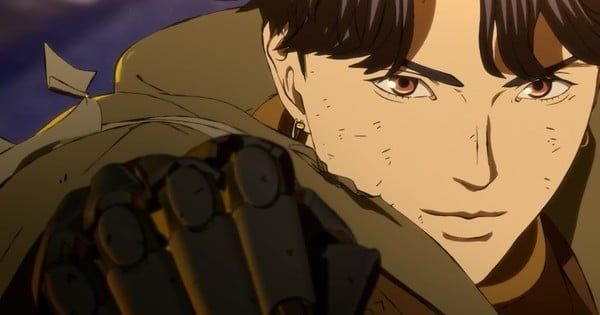
The initial animation sequences, viewable on the dedicated 'BATTLE OF TOKYO' YouTube channel, introduce several key characters and factions. The visual style blends 3D computer-generated imagery with 2D aesthetic touches, creating a sleek, modern look reminiscent of high-budget video game cinematics. The scenes are set in a near-future version of Tokyo, where teams of stylistically distinct youths appear to engage in organized, non-lethal combat for an unspecified purpose.
Character designs are diverse, with clear visual archetypes meant to appeal to different audience segments, from the cool strategist to the fiery brawler. The action choreography emphasizes agility and team synergy over brute force. While no direct plot details are provided in the source material, the sequences heavily imply a tournament or faction-war structure, a common but effective narrative framework in Japanese pop culture. The absence of dialogue in these early clips places the entire narrative burden on visual storytelling and atmosphere.
The LDH Machine: A Powerhouse Behind the Project
Leveraging Music and Performance Expertise
LDH Japan is not a typical anime production committee member. Founded by EXILE member HIRO, the company is a dominant force in Japan's music and live entertainment industry. Its portfolio includes managing numerous popular vocal and dance groups, operating talent schools, and producing large-scale live events and musicals. This background is crucial to understanding the 'Battle of Tokyo' project's potential trajectory.
The franchise is almost certainly designed to be a vehicle for LDH's existing and future performing artists. It is a common strategy in Japan to create anime or game worlds that can be populated by idol personas, allowing for music releases, live concerts in character, and merchandise. This model, sometimes called '2.5-dimensional' media, blurs the line between fictional character and performing artist. LDH's expertise in staging spectacular live shows suggests that 'Battle of Tokyo' concerts or stage plays could be a significant component, potentially announced after the animated content builds a fanbase.
This approach carries inherent risks. While it ensures a built-in platform for promotion through LDH's vast network, the project's success with the broader anime audience, which can be skeptical of overtly commercial idol tie-ins, is not guaranteed. The creative execution of the animation and story will need to stand on its own merits to achieve mainstream crossover success beyond the company's existing fan ecosystem.
The Cross-Media Playbook
How Modern Japanese Franchises Are Built
'Battle of Tokyo' enters a crowded field where the standard for launching a new IP (Intellectual Property) involves simultaneous or rapid sequential releases across multiple formats. This is not merely an anime with a soundtrack; it is a coordinated narrative universe designed from the ground up for expansion. The standard model involves a core story delivered via anime or game, supplemented by character songs, novelizations, manga adaptations, and mobile games.
The financial logic is synergistic. A successful anime drives music sales and game downloads, while popular music can draw fans back to the anime. Merchandise—figures, apparel, accessories—flows from all avenues. This model, perfected by franchises like 'Love Live!' and 'Hypnosis Mic', requires meticulous planning and significant upfront investment. LDH's release of standalone animation sequences first is a strategic teaser phase, aimed at gauging public reaction and building hype before committing to a full anime series or other major media product. It is a lower-risk way to test the visual and conceptual appeal of the characters and world.
International Context and Market Ambitions
Globalizing the Idol-Anime Hybrid Model
While the initial announcement and release are squarely aimed at the domestic Japanese market, any major media project today has implicit global ambitions. The visual language of the 'Battle of Tokyo' sequences—fast-paced action, sleek character designs, an urban sci-fi setting—is highly exportable and aligns with global tastes in animation. However, the deep integration with LDH's idol ecosystem may present a cultural translation challenge.
The '2.5D' idol-anime model has found dedicated niche audiences worldwide but has rarely broken through to the mainstream global consciousness in the way that standalone anime series like 'Demon Slayer' or 'Jujutsu Kaisen' have. For 'Battle of Tokyo' to achieve significant international reach, its narrative may need to be compelling enough to engage viewers with no prior interest in J-pop or LDH's artists. The project's success could serve as a case study on whether a deeply integrated Japanese entertainment model can be successfully packaged for worldwide consumption, or if it will remain a primarily domestic phenomenon with dedicated overseas fans.
This global dimension also affects production considerations. If international streaming platforms express early interest, it could influence the scale and budget of future anime production. The source material from animenewsnetwork.com does not mention any international distribution partners at this initial stage, indicating that the primary focus remains on solidifying the project's foundation in Japan first.
The Creative and Production Unknowns
Key Information Yet to Be Revealed
The announcement, as reported, leaves several critical questions unanswered. Most notably, the specific animation studio or studios responsible for producing the sequences and any potential full series are not named. The quality and reputation of the animation studio are paramount for anime fans and can make or break a project's credibility. The involvement of a renowned studio would signal serious creative ambition, while an in-house or lesser-known team might suggest a more promotional focus.
Furthermore, the core creative staff—the original creator, series composer, director, and character designer—remain unidentified. These roles are the pillars of any anime narrative. The lack of this information makes it difficult to assess the project's potential for storytelling depth. Are they established veterans from the anime industry, or are they creatives from within LDH's music and performance divisions? The answer will heavily influence the project's artistic direction. The source material explicitly does not provide these details, marking a significant area of uncertainty that future announcements will need to address.
Mechanisms of Engagement: Beyond the Screen
How the Franchise Will Likely Interact with Fans
Based on LDH's historical operations and industry standards, 'Battle of Tokyo' will likely employ a multi-pronged strategy to engage fans. The animation is just the entry point. The next logical steps would be the announcement of character theme songs performed by LDH artists (or new units formed for the project), followed by live concerts where performers appear as the characters. This creates a powerful feedback loop where the fictional narrative enhances the live experience, and the live experience makes the characters feel more 'real'.
Mobile games are another almost certain component. A free-to-play role-playing or rhythm game featuring the characters would serve as a daily touchpoint for fans, driving engagement and revenue through gacha mechanics (a randomized virtual item acquisition system). Social media will play a crucial role, with character-specific accounts posting in-character, further blurring the lines between fiction and reality. This ecosystem is designed to foster a deep sense of community and belonging among fans, transforming them from passive viewers into active participants in the franchise's growth.
Risks and Challenges on the Road Ahead
Navigating a Saturated and Demanding Market
The path for 'Battle of Tokyo' is fraught with challenges. The market for anime-based multimedia franchises is intensely saturated. To stand out, the project needs a truly unique hook beyond 'teams fighting in future Tokyo,' a concept seen in countless anime, games, and manga. The pressure is on the yet-unrevealed narrative to provide this differentiation. Will it be a complex political drama, a social commentary, or a straightforward sports-style tournament story? The initial action sequences offer no clue.
Another significant risk is franchise fatigue. If the rollout of music, games, and events feels overly commercial or rushed, it could alienate the very audience it seeks to build. The balance between artistic integrity and commercial exploitation is delicate. Furthermore, LDH's core fanbase, accustomed to real-world artists, may not automatically embrace fictional characters, while the anime community may view the project with suspicion if it feels like a vehicle solely for promoting singers. Managing these dual audience expectations will be a critical and ongoing challenge for the project's managers.
Historical Precedents and Lessons
What Past Franchise Launches Can Teach
The history of Japanese pop culture is littered with both spectacular successes and cautionary tales in cross-media franchising. Projects like 'The Idolmaster' and 'Love Live!' started with relatively humble beginnings—games and music units—before their anime adaptations catapulted them to massive popularity. Their success was built on strong, relatable character writing and music that stood on its own merit. The anime served to deepen emotional investment, not create it from scratch.
Conversely, many projects with similar ambitions have faltered. Common failure points include a weak core narrative that cannot support expansion, poor-quality animation that turns off viewers, or a rollout that is too slow, causing initial hype to dissipate. The 'Battle of Tokyo' project, by leading with animation (even in sequence form), is attempting to secure visual and conceptual buy-in early. However, the long gap between this teaser and a substantive next announcement could be detrimental. The industry moves quickly, and audience attention spans are short. The project's handlers will need to maintain momentum with a steady drumbeat of reveals to keep the nascent fanbase engaged.
The Broader Impact on the Industry
LDH's Entry as a New Type of Player
LDH Japan's serious foray into original anime-centric IP creation represents a shift in the industry's power dynamics. Traditionally, anime production committees are consortia of publishers, TV networks, toy companies, and music labels. Here, a single, vertically integrated entertainment giant is attempting to orchestrate all key aspects—music, performance, and likely animation production—under its own banner. This could lead to more streamlined decision-making but also concentrates creative risk.
If successful, 'Battle of Tokyo' could encourage other large talent agencies and music companies to develop their own original narrative IP, further blurring the lines between industries. This convergence could lead to a new wave of content that is inherently designed for multi-platform consumption from day one. However, it also raises questions about creative independence. Will storytellers have the freedom to take narrative risks, or will the story be constantly shaped by marketing needs and artist schedules? The evolution of 'Battle of Tokyo' will be closely watched by industry insiders as a test case for this new production model.
Looking Forward: The Next Logical Steps
Predicting the Franchise's Immediate Future
Based on the standard industry playbook and LDH's capabilities, the next announcements for 'Battle of Tokyo' should logically follow a clear sequence. The immediate step will be to put names to the faces—revealing the characters' names, their faction affiliations, and their voiced personas. Voice actor announcements are major events in anime marketing and will be a key indicator of the project's budget and reach. Will they use LDH's own performers, established anime voice actors, or a mix?
Following that, a formal anime project announcement—be it a short web series, a full television anime, or an original net animation (ONA)—is the most anticipated next step. Concurrently or shortly after, the first music release, likely a character song CD or digital single, would be announced. A dedicated website and social media expansion will formalize the franchise's presence. Any delay or deviation from this expected roadmap might signal internal recalibrations or challenges. The clock starts ticking from the initial reveal on December 23, 2025, to convert curiosity into committed fandom.
Perspektif Pembaca
The launch of 'Battle of Tokyo' presents a fascinating experiment at the intersection of music, performance, and animation. For fans of global media trends, its development offers a real-time case study in modern franchise building.
What element do you believe will be most critical for the long-term success of a cross-media project like 'Battle of Tokyo'? Is it the quality of the core story, the appeal of the music, the strength of the character designs, or the execution of live events and fan engagement? Share your perspective based on other franchises you've followed.
Alternatively, consider the challenge of originality. With so many existing series featuring team battles in urban settings, what unique angle or narrative twist would a new franchise need to introduce to genuinely capture your attention and sustained interest?
#BattleOfTokyo #LDHJapan #Anime #CrossMedia #NewFranchise


