

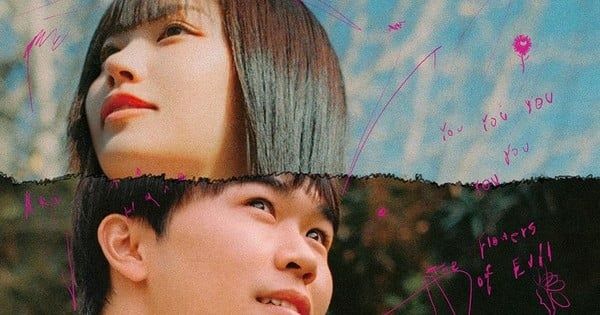
Live-Action 'The Flowers of Evil' Blooms with New Cast, Sets April Premiere

📷 Image source: animenewsnetwork.com
A Sinister Bloom in Live-Action
The unsettling world of Shūzō Oshimi's manga prepares for a new adaptation
The unsettling psychological landscape of Shūzō Oshimi's 'The Flowers of Evil' is set to be re-cultivated, this time in live-action. According to animenewsnetwork.com, the upcoming television series has not only locked in its premiere date but has also expanded its roster of actors tasked with bringing the story's tense, uncomfortable atmosphere to life. The series, which adapts Oshimi's acclaimed manga, will begin its broadcast run on April 9, 2026.
This announcement follows the initial reveal of the project, confirming that the challenging translation from page to screen is moving forward. The source material, known for its raw exploration of adolescent anxiety, obsession, and social alienation, presents a unique challenge for any adaptation. How will a live-action format capture the internal monologues and visually stark, often grotesque, emotional states that defined the manga? The casting choices offer the first clues.
New Faces for a Familiar Darkness
The ensemble grows with key supporting roles
The latest report from animenewsnetwork.com details the addition of several actors to the project's cast. Joining the previously announced leads are Kōdai Asaka, Kanna Hashimoto, and Yūka Yano. While the specific characters these actors will portray were not detailed in the source report, their inclusion signals a fleshing out of the world around the central, fraught relationship between Takao Kasuga and Nanako Saeki.
Each actor brings a distinct screen presence. Kanna Hashimoto, for instance, has navigated roles ranging from bright idol characters to more dramatic, layered performances. Her casting is particularly intriguing, as the story's female characters often serve as complex objects of desire, fear, and projection rather than simple archetypes. The chemistry between this expanding cast will be critical in selling the story's pervasive sense of dread and the consequences of a single, impulsive act.
The Weight of the Stolen Item
Revisiting the plot's triggering incident
For the uninitiated, the narrative engine of 'The Flowers of Evil' is deceptively simple yet profoundly damaging. The story orbits around Takao Kasuga, a bookish middle school student with a pretentious affection for Baudelaire's 'Les Fleurs du Mal.' His life is upended when he impulsively steals the gym clothes of Nanako Saeki, a girl he idolizes from afar. This act does not go unnoticed.
The witness is Sawa Nakamura, a socially ostracized classmate who uses her knowledge of the theft to blackmail Takao into a bizarre 'contract.' She doesn't want money or silence; she demands he engage in increasingly humiliating and transgressive acts with her. This twisted dynamic forms the core of the story, exploring how guilt, shame, and a warped sense of connection can bind people together. The live-action series must convincingly portray this descent, making the audience believe in both Takao's paralyzing fear and Nakamura's unsettling control.
From Panels to Performance
The inherent challenges of adaptation
Adapting 'The Flowers of Evil' is not merely about recreating scenes from the manga. The original work's power derives heavily from Oshimi's artistic style, which masterfully depicts the characters' internal turmoil through exaggerated facial expressions, surreal visual metaphors, and claustrophobic paneling. A live-action director cannot simply draw a character's face melting into a grotesque mask of anxiety; they must achieve the same emotional impact through performance, cinematography, and sound design.
Will the series lean into a heightened, almost theatrical style to match the manga's tone, or will it ground the absurd and painful events in a more naturalistic setting to make them feel even more visceral? The casting of actors known for their expressive capabilities suggests a focus on performance as the primary vessel for the story's psychological horror. The success of the series may hinge on its ability to make viewers feel the same cringe-worthy, heart-pounding discomfort that readers experienced.
A Legacy of Uncomfortable Storytelling
Oshimi's work and previous adaptations
Shūzō Oshimi has carved a niche as a master of discomfort, with works like 'Inside Mari' and 'Blood on the Tracks' exploring similar themes of psychological breakdown and twisted relationships. 'The Flowers of Evil' remains one of his most famous works, not just for its story but for the bold artistic choices that accompanied its serialization. This is not the property's first foray into adaptation; a controversial anime series in 2013 used a unique rotoscoping technique, dividing fans with its uncanny valley aesthetic but praised for its commitment to capturing the story's oppressive mood.
This live-action version now carries the burden of that legacy. It must differentiate itself from the anime while remaining faithful to the source material's unsettling core. The April 9 premiere date, reported by animenewsnetwork.com, sets the clock ticking. Fans and newcomers alike will soon see if this new interpretation can capture the poisonous beauty of Oshimi's original vision or if it will wilt under the pressure of expectation.
The Cultural Context of 'Aku no Hana'
The manga's original title, 'Aku no Hana' (悪の華), is a direct reference to Charles Baudelaire's 1857 poetry collection 'Les Fleurs du mal.' This is not a superficial allusion. Baudelaire's work, which faced obscenity charges for its depictions of decadence and eroticism, sought to find a strange, unsettling beauty in taboo and corruption. Oshimi's manga operates on a similar principle, finding a warped sense of authenticity and connection in acts society deems perverse or criminal.
The series is set in a mundane, rural Japanese town, a setting that amplifies the characters' feelings of entrapment and boredom. The live-action adaptation must effectively convey this environment—a place where nothing seems to happen, making the characters' internal explosions and deviant behavior feel both shocking and, in a twisted way, inevitable. The setting is a character in itself, a pressure cooker of suburban conformity that the protagonists desperately want to escape, even if their chosen methods are self-destructive.
Anticipating the Audience Reaction
A story designed to provoke
Unlike mainstream crowd-pleasers, 'The Flowers of Evil' is a story engineered to provoke discomfort, debate, and often revulsion. Its characters are frequently unlikable, their choices frustrating, and their motivations murky. A successful adaptation will not sand down these rough edges. The question is whether a television audience, perhaps more accustomed to clearer moral frameworks, will embrace such an intentionally abrasive narrative.
The casting of popular actors like Kanna Hashimoto could be a strategy to bridge that gap, offering a familiar entry point into an otherwise challenging story. However, if the writing and direction are faithful, these actors will be asked to portray deeply flawed, sometimes pathetic, and often cruel individuals. The April premiere will be the ultimate test of whether the production team has the conviction to stay true to the material's bleak, uncompromising heart.
Production Horizon and Expectations
With the premiere date set for April 9, 2026, as stated in the animenewsnetwork.com report, the production is clearly in its final stages. The announcement of additional cast members at this juncture is a typical pre-launch strategy to build momentum and clarify the scope of the series. Attention will now likely turn to promotional materials: trailers, posters, and interviews that will define the series' visual and tonal approach for potential viewers.
These first glimpses will be scrutinized for how they handle the story's most iconic and disturbing moments. Will they hint at the infamous 'leash' scene or the claustrophobic classroom dynamics? The marketing walk is a delicate one—it must intrigue without spoiling, and warn without repelling the very audience that might appreciate its unique brand of storytelling. As spring 2026 approaches, the live-action 'The Flowers of Evil' prepares to ask its audience once again: how well can you confront the darkness that blooms in quiet, forgotten places?
#TheFlowersOfEvil #LiveAction #ShuzoOshimi #AnimeNews #MangaAdaptation


