

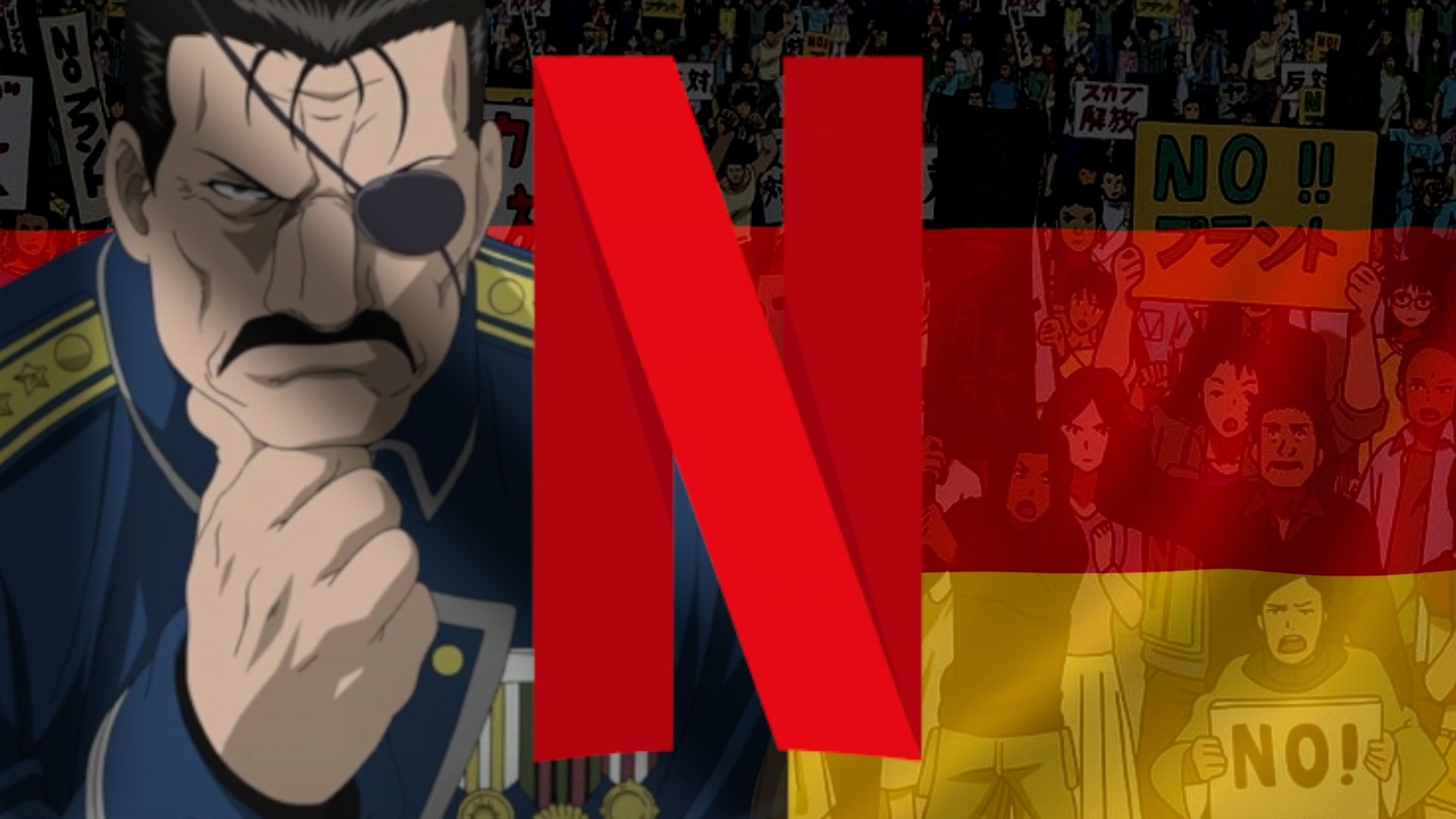
Netflix Issues Warning to German Voice Actors Over AI Clause Boycott Threat

📷 Image source: static.animecorner.me
A New Clause Sparks Industry-Wide Tension
Voice actors in Germany face a contractual crossroads
A simmering dispute between Netflix and the German dubbing industry has escalated, with the streaming giant issuing a formal warning to voice actors considering a boycott. The conflict centers on a newly introduced clause in Netflix's German dubbing contracts, which grants the company broad rights to use actors' recorded performances to train artificial intelligence systems. According to animecorner.me, the clause has been met with fierce resistance from performers who see it as an existential threat to their profession and creative rights.
The report states that the clause allows Netflix to use an actor's voice, as captured in their dubbing work, to 'train algorithms and/or machine learning or artificial intelligence systems.' For many in the tight-knit dubbing community, this represents a direct path to their potential replacement by synthetic voices, a concern that has led to discussions of organized refusal to sign contracts containing the provision. In response, Netflix has reportedly cautioned actors against such collective action, framing it as a potential violation of competition law.
The Legal and Ethical Battle Lines
Where does performance end and data begin?
The core of the controversy lies in the interpretation of a performer's voice. Is it merely a service rendered for a specific project, or does it become a dataset once digitized? The new contractual language appears to treat it as the latter, a move that actors argue fundamentally changes the nature of their work without appropriate consent or compensation. According to animecorner.me, the clause is not presented as a negotiable point but as a standard condition for working on Netflix's German-language dubs.
This legal stance has profound ethical implications. Voice actors build careers on the distinct qualities of their vocal performances—their tone, emotional range, and unique character. The prospect of that biological and artistic signature being used to create an infinite, owner-controlled digital replica strikes at the heart of artistic identity. The report highlights that this is not about prohibiting AI use outright, but about the lack of transparency, ongoing control, and financial participation for the artists whose work fuels the technology.
Netflix's Position and the Warning
In the face of growing unrest, Netflix has taken a firm position. According to the report from animecorner.me, the company has explicitly warned voice actors that organizing a boycott over the AI training clause could be considered a violation of antitrust or competition laws. This legal warning is a significant escalation, effectively positioning collective bargaining on this specific issue as a potentially illegal act.
This move places individual actors in a difficult position. While solidarity could amplify their concerns, the threat of legal repercussions from a global corporation creates a chilling effect. The warning underscores the power imbalance in the industry, where individual freelancers must weigh their principles against the risk of being blacklisted from one of the world's largest platforms for animated and live-action content requiring dubbing.
The German Dubbing Industry's Stakes
A legendary localization hub faces an uncertain future
Germany boasts one of the world's most sophisticated and popular dubbing industries, with a long history of providing high-quality, localized voice work for international films and series. For decades, it has been a stable source of employment for a specialized pool of talent. The integration of AI training clauses threatens to destabilize this ecosystem from within.
If widely accepted, these contracts could allow platforms to build comprehensive voice libraries. Over time, this could reduce the need for human actors for certain roles, especially background characters or for quick turnarounds. The concern, as reflected in the industry's backlash, is that this is a first step toward the gradual erosion of work. Actors are not just selling a performance for a single show; they are potentially feeding the system that might one day make their skills obsolete for certain applications, all without a framework for royalties or permissions for future AI-generated use.
Broader Implications for Global Performers
While the current clash is focused on German contracts, the outcome is being watched closely by performers' unions and advocacy groups worldwide. Netflix and other streaming services operate globally, and contractual precedents set in one major market often spread to others. The German dispute serves as a critical test case for how the entertainment industry will handle the integration of generative AI with human creative labor.
The fundamental question extends beyond dubbing: if a voice performance can be used to train AI, what about a motion-capture actor's movements, a composer's musical phrases, or a writer's stylistic turns? The resolution—whether through legal challenge, successful boycott, or negotiated compromise—will likely inform battles in other creative sectors. It sets the stage for a larger debate about intellectual property in the age of machine learning, where human creation is used as the foundational data for synthetic alternatives.
The Path Forward and Potential Resolutions
The standoff presents few easy solutions. A complete removal of the clause seems unlikely given Netflix's reported stance, but modifications may be possible. Industry experts suggest potential middle grounds could include strict limitations on how the voice data is used, explicit requirements for actor consent on a per-project basis, or the establishment of a royalty structure whenever a voice model derived from an actor's performance is commercially utilized.
Another path is legislative. The European Union has been at the forefront of regulating AI with its AI Act, and this situation may spur further scrutiny into the use of personal biometric data—including voice—for training purposes. Actors may find stronger leverage in aligning their cause with broader data privacy and ethical AI frameworks being developed in Brussels, rather than fighting contractual battles studio by studio. Collective action, despite the warnings, may still manifest through guilds and unions lobbying for protective regulations rather than direct boycotts.
A Defining Moment for Artistic Labor
This conflict is more than a contractual dispute; it is a defining moment for artistic labor in the digital economy. Voice actors are on the front lines of a shift where the human performance is no longer just the final product but also becomes raw material for a machine's education. The anxiety is not merely about job displacement but about consent, ownership, and the very dignity of the craft.
How this is resolved will signal to all creative professionals what value corporations place on the human source of their content. Will artists be treated as partners in technological innovation, or as expendable data points? The warning issued by Netflix, as reported by animecorner.me, suggests a hardline approach, but the intense backlash indicates that the human element of storytelling is not ready to be quietly digitized. The voices behind the characters are now fighting for their own future, not just the roles they play.
Source and Context
This report is based on information from animecorner.me, published on 2026-02-09T23:10:30+00:00. The details of the contractual clause, Netflix's warning to actors, and the industry reaction are sourced directly from this publication. The contextual analysis of the German dubbing industry and the broader implications for AI in creative fields is based on the factual premises established in the source report, exploring the logical consequences and professional landscape affected by this development.
#Netflix #VoiceActing #AI #Dubbing #Germany #AnimeNews


