

Madoka Magica Films Return to Television, Marking New Chapter for Magical Girl Legacy

📷 Image source: animenewsnetwork.com
Broadcast Revival
Classic Films Find New Audience on Japanese Television
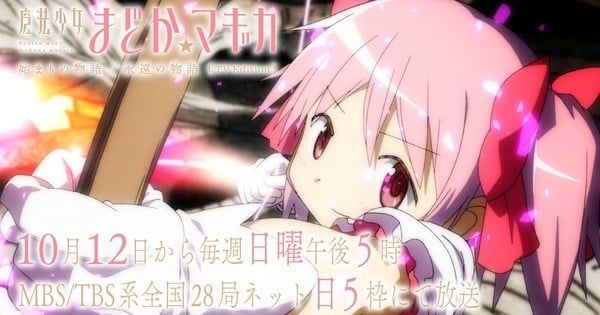
The first two Puella Magi Madoka Magica compilation films will make their television debut this October, bringing the dark magical girl saga to a broader audience. According to animenewsnetwork.com, the broadcast will begin on October 12, 2025, marking a significant moment for the franchise's accessibility. This television edition represents a strategic move to reintroduce the series to both longtime fans and new viewers who may have missed the original theatrical releases.
This television adaptation follows the growing trend of anime films finding second lives through broadcast platforms. The compilation films, which originally condensed the first eight episodes of the television series into feature-length format, offer a more concentrated viewing experience. This approach allows viewers to engage with the complex narrative without the week-long breaks between episodes that characterized the original broadcast.
Historical Context
Madoka Magica's Transformative Impact on the Genre
When Puella Magi Madoka Magica first aired in 2011, it fundamentally altered the magical girl genre landscape. Created by Gen Urobuchi and featuring character designs by Ume Aoki, the series subverted traditional tropes with its psychological depth and dark themes. The compilation films, released in 2012, further cemented its status as a cultural phenomenon that resonated beyond typical anime audiences.
The films' theatrical success demonstrated the franchise's enduring appeal, with the first film, Beginnings, and the second, Eternal, grossing significant box office returns. Their transition to television represents a full-circle moment, returning the condensed narrative to the medium where it first captured audience imagination. This move also reflects the evolving distribution strategies within the anime industry.
Production Background
Studio Shaft's Visionary Approach
Studio Shaft, known for its distinctive visual style and innovative storytelling techniques, produced both the original series and compilation films. The studio's unique approach to animation, characterized by surreal imagery and unconventional pacing, became synonymous with Madoka Magica's identity. The compilation films maintained this visual signature while streamlining the narrative for cinematic presentation.
The television edition likely involves technical adjustments to accommodate broadcast standards and potentially includes updated elements. While specific details about modifications remain undisclosed, such transitions typically involve aspect ratio adjustments and commercial break considerations. The production team's attention to preserving the films' atmospheric quality while optimizing for television viewing demonstrates their commitment to quality across distribution formats.
Narrative Significance
Why These Films Matter in the Madoka Universe
The first two compilation films cover the essential foundation of Madoka Kaname's journey, establishing the rules and consequences of the magical girl system. Beginnings condenses episodes 1-8, introducing the Faustian bargain that defines the series' central conflict. This condensed format intensifies the narrative's emotional impact by maintaining relentless pacing through crucial plot developments.
Eternal continues the story through episode 12, bringing the initial arc to its devastating conclusion. The film format allows viewers to experience the narrative's dramatic turns without interruption, enhancing the psychological weight of character decisions. This television broadcast provides an opportunity for audiences to appreciate how the compilation approach differs from the episodic structure while preserving the story's core themes.
Industry Comparisons
How Madoka's Strategy Differs from Other Franchises
The decision to broadcast compilation films on television represents an interesting middle ground between series reruns and theatrical re-releases. Unlike many anime franchises that simply rebroadcast original episodes, Madoka Magica offers a refined version that acknowledges viewers' changing consumption habits. This approach mirrors similar strategies employed by other major franchises but with distinct execution.
Comparatively, other popular series have taken different paths—some opt for complete remasters, while others create entirely new compilation narratives. Madoka's choice to use existing theatrical cuts demonstrates confidence in the films' standalone quality. This strategy also potentially serves as testing ground for future content distribution, measuring audience response to condensed formats in broadcast settings.
Technical Considerations
Adapting Cinematic Experience for Television
Transitioning from theatrical to television presentation involves numerous technical considerations. The original films were designed for large screens and immersive audio environments, requiring adjustments for home viewing. Aspect ratios may be modified from the theatrical 16:9 to accommodate television standards, though modern displays have reduced this necessity.
Audio mixing represents another crucial adjustment, as theater sound systems differ significantly from home television speakers. The broadcast likely involves remastering audio elements to ensure dialogue clarity and musical impact in domestic settings. These technical adaptations, while subtle, ensure that the television edition maintains the artistic integrity of the original films while optimizing for the broadcast medium.
Market Impact
Broadcast Strategy and Franchise Longevity
This television broadcast occurs within a broader context of franchise expansion, including recent new projects and continued merchandise development. The timing suggests strategic positioning to maintain audience engagement between major releases. Television broadcasts often stimulate renewed interest in related media, potentially boosting Blu-ray sales, streaming numbers, and merchandise revenue.
The broadcast also serves as accessible entry point for new fans before potential new content releases. This approach demonstrates understanding of franchise lifecycle management—balancing legacy content with new developments to maintain relevance. The decision reflects careful market analysis regarding audience acquisition and retention strategies in competitive anime landscape.
Audience Reception
Anticipating Viewer Response to Television Format
Existing fans may appreciate the opportunity to experience the films in a new context, particularly those who missed theatrical screenings. The television format also enables communal viewing experiences through social media engagement during broadcast. New viewers discovering the series through this broadcast will encounter a streamlined version that eliminates some of the original series' pacing issues.
Critical response will likely compare the television edition against both the original series and theatrical presentations. Some purists may prefer the episodic development, while others might appreciate the films' concentrated narrative power. The broadcast's success could influence how other franchises approach content repurposing for different distribution channels in the future.
Cultural Significance
Madoka's Enduring Influence on Anime Storytelling
Beyond its commercial success, Madoka Magica's lasting impact lies in how it expanded narrative possibilities within the magical girl genre. The series demonstrated that children's entertainment formats could support complex, psychologically challenging stories. Its influence continues to echo through subsequent anime productions that blend genre conventions with darker, more sophisticated themes.
The television broadcast of compilation films represents cultural preservation of significant anime artwork. By bringing these films to television, the franchise ensures its accessibility to future generations of viewers. This approach acknowledges the series' importance within anime history while making it available through contemporary distribution methods that align with modern viewing habits.
Future Implications
What This Means for Anime Distribution Models
The Madoka Magica television broadcast could signal shifting strategies in how anime content cycles through distribution channels. If successful, we might see more franchises utilizing compilation films as television content between new productions. This approach offers cost-effective programming while maintaining franchise visibility during development periods.
This model also provides valuable data about audience preferences regarding condensed versus episodic content. The response could influence how studios plan future projects, potentially favoring narratives that work effectively in multiple formats. As streaming services and traditional broadcast compete for content, such hybrid distribution strategies may become increasingly common within the industry.
Reader Discussion
Share Your Perspective
How does your local broadcasting market handle anime film presentations compared to this Japanese television approach? Have you noticed differences in how compilation content versus original episodes maintains narrative impact in your viewing experience?
What aspects of magical girl genre storytelling have you seen evolve since Madoka Magica's original release, and how do you think this television broadcast might influence future productions in your region?
#MadokaMagica #AnimeFilms #MagicalGirl #TVBroadcast #ShaftStudio #GenUrobuchi


