

The Anime Boom’s Hidden Cost: How Overproduction Threatens Creative Passion

📷 Image source: static.animecorner.me
The Empty Drawing Board
In a quiet studio tucked away from Tokyo’s neon buzz, a veteran animator stares at a blank storyboard. The deadline for the next episode looms, but the ideas refuse to flow. Around them, teams churn out sequences for five different series simultaneously—each with tighter schedules than the last. The pressure to deliver is palpable, but the spark that once fueled late-night brainstorming sessions has dimmed.
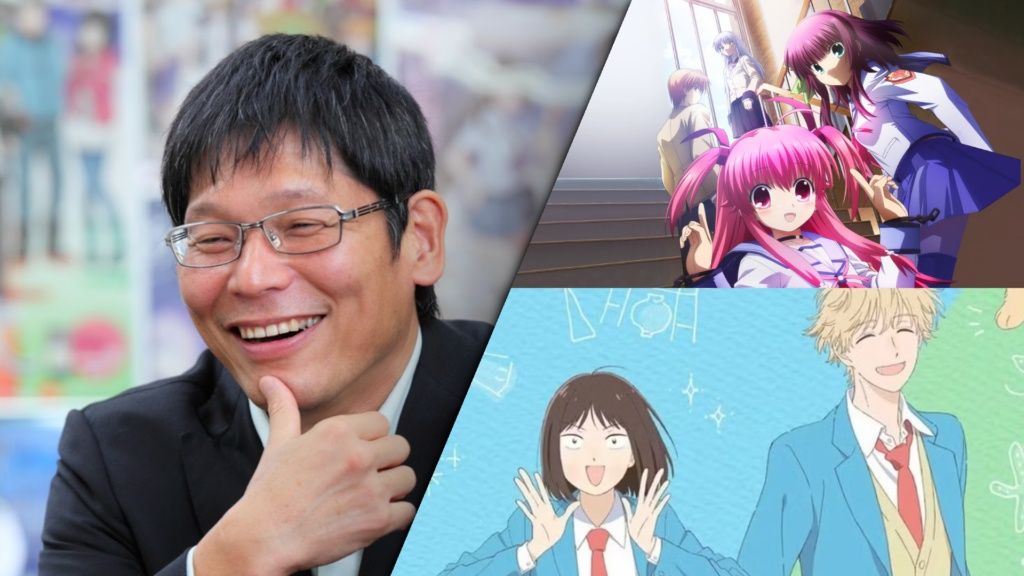
This scene repeats across Japan’s anime industry, according to a candid interview with PA Works founder Kenji Horikawa, published by animecorner.me on 2025-08-17. His warning cuts through the celebratory noise of record-breaking anime releases: the relentless pace of production is eroding the very passion that birthed the medium’s most beloved stories.
Nut Graf: Quantity Over Quality?
Horikawa’s concerns, detailed in the animecorner.me interview, highlight a paradox in today’s anime boom. While global streaming platforms demand ever more content, the industry’s reliance on high-volume output risks stifling originality and exhausting creators. Over 50 new anime series now debut each season—a figure not specified on the source page but widely acknowledged in industry reports—leaving little room for the meticulous craftsmanship that defined classics like Studio Ghibli’s works.
The issue affects everyone from rookie animators facing burnout to fans who may unknowingly consume formulaic stories. Even successful studios like PA Works—known for original series like 'Shirobako'—feel pressured to prioritize safe sequels over experimental projects. As Horikawa puts it: 'When schedules replace inspiration, we lose what makes anime magic.'
How the System Breeds Burnout
The crisis stems from a perfect storm of commercial pressures. Streaming platforms license anime in bulk, encouraging studios to take on multiple projects simultaneously. Mid-tier studios, lacking the financial cushion of giants like Toei Animation, often accept unsustainable workloads to stay competitive.
Production committees—the consortiums that fund anime—typically prioritize marketable franchises over original pitches. A creator interviewed by animecorner.me describes the pitch process as 'like convincing a boardroom to bet on abstract art.' Most committees now demand at least one established IP (intellectual property) element—a manga adaptation or video game tie-in—before greenlighting a project.
Who Bears the Brunt?
Junior animators face the harshest realities. Entry-level workers, often paid per frame, routinely log 14-hour days to meet deadlines. The animecorner.me piece notes that PA Works has resisted outsourcing key animation overseas—a common cost-cutting measure—but this commitment to quality comes at a staffing cost.
Fans also lose out, though they might not realize it. While the sheer volume of anime provides endless entertainment options, Horikawa argues that fewer series today have the 'rewatch value' of older classics. 'You remember characters, not plot twists,' he says in the interview. International audiences, whose subscriptions drive streaming growth, may never see the innovative storytelling that could emerge with slower production cycles.
Creative vs. Commercial: The Trade-Offs
The industry’s economic success relies on its current model. Anime exports now outpace Japan’s steel shipments, according to government data cited in the animecorner.me article. Franchises like 'Demon Slayer' generate billions through merchandise and licensing. Slowing production could jeopardize this revenue stream and the jobs it supports.
Yet the human cost is undeniable. The interview mentions rising attrition rates among animators, though specific figures aren’t provided. Studios that resist the trend—like Kyoto Animation, which produces one meticulously crafted series per year—are exceptions, not the rule. Their critical acclaim proves quality’s value, but their business model remains rare.
Unanswered Questions
Key data gaps hinder solutions. The animecorner.me piece doesn’t specify how many original (non-adapted) anime debut annually versus franchise extensions. Without this breakdown, it’s hard to measure originality’s true decline. Similarly, no comprehensive studies track animator burnout rates across studios.
The role of international streaming platforms remains ambiguous. While Netflix and Crunchyroll fund some originals, their algorithmic preferences for 'similar to' recommendations may inadvertently discourage risk-taking. Neither the platforms nor the production committees have commented publicly on Horikawa’s concerns.
Winners & Losers
The current system benefits established manga publishers and IP holders. Series based on pre-existing works guarantee built-in audiences, reducing financial risk. Streaming platforms win by offering vast libraries that retain subscribers, even if individual series lack depth.
Losers include mid-career creators. As Horikawa notes, the industry’s 'middle class'—artists with enough experience to lead projects but not enough clout to demand creative control—often gets squeezed. Independent studios face pressure to merge or accept subcontracting roles that limit artistic input. Ultimately, fans may lose access to the kind of groundbreaking narratives that first made anime a global phenomenon.
Stakeholder Map
Production committees hold disproportionate power. These groups—often including publishers, toy companies, and TV networks—control funding and typically own anime rights. Their risk aversion shapes what gets made.
Studios operate as contractors, rarely retaining IP rights. While some, like PA Works, push for original concepts, most rely on committee assignments. Animators, the backbone of production, have little say in creative direction despite their technical expertise. International fans, while financially vital, remain disconnected from these behind-the-scenes dynamics.
Reader Discussion
Open Question: As a viewer, would you prefer fewer anime series per year if it meant more innovative storytelling? How do you balance your appetite for new content with the desire for meaningful narratives?
#AnimeIndustry #CreativeBurnout #AnimeProduction #StreamingBoom #AnimeQuality


