

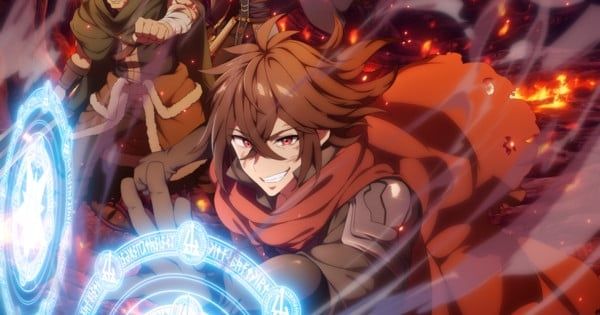
Decade-Long Fantasy Epic 'I Became a Legend After My 10 Year-Long Last Stand' Gets Anime Adaptation

📷 Image source: animenewsnetwork.com
The Legend Begins Anew
From Page to Screen
The fantasy light novel series 'I Became a Legend After My 10 Year-Long Last Stand' is officially receiving a television anime adaptation, according to an announcement made by animenewsnetwork.com on October 2, 2025. This news marks a significant milestone for fans who have followed the story's journey from its literary origins to its upcoming animated form. The adaptation brings to life the epic tale that has captivated readers with its unique blend of fantasy elements and profound character development.
Production details remain limited at this early stage, with the animation studio and specific release date yet to be confirmed. However, industry observers note that the announcement alone has generated substantial excitement within the anime community. The source material's established fanbase provides a solid foundation for the adaptation's potential success, while the fantasy genre continues to demonstrate strong appeal in international markets.
Understanding the Source Material
A Literary Foundation
The original light novel series, written by Kinta and illustrated by peroshi, began serialization in 2017 under the GC Novels imprint. Light novels, for those unfamiliar with the term, are Japanese young adult novels typically featuring illustrations and targeting middle-grade to high-school audiences. These works often serve as source material for manga and anime adaptations, creating interconnected multimedia franchises that expand across various entertainment formats.
The series follows protagonist Leon, who becomes known as 'the Last Hero' after single-handedly defending a fortress for ten years against overwhelming demonic forces. This extended siege forms the core premise that distinguishes the narrative from typical fantasy stories. The psychological and physical toll of such an extended conflict provides rich material for character exploration and world-building that should translate well to the animated medium.
Plot Overview and Themes
Beyond the Battlefield
The story begins with Leon's return to human society after his decade-long solitary stand, only to discover he has become a legendary figure whose deeds have been distorted by time and retelling. This central conflict between his actual experiences and the public perception of his heroism creates the narrative tension that drives the story forward. The series explores themes of memory, legacy, and the nature of heroism in a world that often prefers simplified legends to complex realities.
As Leon navigates this new reality, he encounters characters who either worship his legendary status or doubt his authenticity. These interactions allow the narrative to examine how societies create and maintain myths, and what happens when the living embodiment of those myths returns to challenge established narratives. The psychological depth of exploring a hero's reintegration into society offers substantial material for character-driven storytelling in the anime adaptation.
Creative Team and Production
Behind the Scenes
While specific details about the anime's production team remain undisclosed, the source material's quality suggests the potential for a high-quality adaptation. Original author Kinta's involvement in the adaptation process, if it occurs, could help maintain the story's thematic integrity and character authenticity. The transition from light novel to anime typically requires careful consideration of how to condense lengthy literary descriptions into visual storytelling that captures the essence of the original work.
The animation style will need to balance the series' dramatic battle sequences with its more intimate character moments. Fantasy series of this nature often employ a mix of traditional 2D animation and computer-generated elements for complex magical effects and large-scale combat scenes. The adaptation's success may hinge on finding the right visual language to convey both the epic scale of Leon's past battles and the personal scale of his current struggles with fame and identity.
Market Context and Industry Trends
Fantasy Anime Landscape
The announcement comes during a period of strong global demand for fantasy anime content. Streaming platforms have increasingly invested in Japanese animation, particularly in genres with established international appeal like fantasy and isekai (another world) stories. While 'I Became a Legend' doesn't strictly fit the isekai mold, it shares enough thematic elements with popular series in that genre to benefit from existing audience interest in fantasy narratives.
Industry patterns suggest that light novel adaptations often perform well when they offer unique twists on familiar tropes. The concept of a hero dealing with the aftermath of legendary status, rather than the journey to achieve it, provides a fresh perspective that could distinguish this series from similar titles. The timing of this adaptation aligns with broader trends in the anime industry toward developing properties with strong source material and built-in audiences.
Potential Audience Appeal
Connecting with Viewers
The series' core themes of legacy and identity may resonate particularly with younger audiences navigating their own places in society. Leon's struggle to reconcile his actual experiences with his public persona mirrors contemporary concerns about authenticity and self-presentation in an age of social media and digital identities. This relevance could help the series connect with viewers beyond traditional fantasy anime fans.
Additionally, the premise of returning to society after extended isolation has gained unexpected relevance in recent years. While not explicitly addressing pandemic-related experiences, the emotional throughline of reintegration may strike chords with viewers who have undergone their own periods of separation from normal social structures. These potential connections could elevate the series from mere entertainment to something that speaks to broader human experiences.
Comparative Analysis
Standing Among Peers
Within the fantasy anime landscape, 'I Became a Legend' enters a crowded field that includes both recent successes and established classics. Series like 'The Rising of the Shield Hero' and 'Goblin Slayer' have explored similar territory of heroes facing psychological challenges and societal rejection, though from different angles. What distinguishes this series is its focus on the aftermath of heroism rather than the heroic journey itself.
The concept also bears some resemblance to 'Saga of Tanya the Evil' in its exploration of how legends distort reality, though with a very different tone and setting. Unlike isekai protagonists who often embrace their new identities, Leon's struggle involves reconciling with a past self that has been mythologized beyond recognition. This reverse-hero's journey offers narrative possibilities that differentiate it from more straightforward fantasy adventures.
Adaptation Challenges
Translating Literary Elements
Adapting internal monologue and psychological depth from the light novel format presents significant challenges for the animation team. Literary works can easily convey a character's inner thoughts through narration, while anime must find visual and auditory methods to achieve similar effects. The series' reliance on Leon's internal conflict means the adaptation will need creative solutions to maintain the source material's emotional complexity.
Pacing represents another potential hurdle, as the light novel series contains detailed world-building and character development that may need compression for a television format. Successful fantasy adaptations often use visual storytelling to convey information that required lengthy explanation in the source material. The animation team's ability to show rather than tell will be crucial to maintaining narrative flow while preserving the story's essential elements.
International Reception Prospects
Global Market Considerations
The fantasy genre typically travels well across cultural boundaries, and the universal themes of identity and legacy should help the series find international audiences. The premise of a hero confronting his own legend has appeared in various forms across global mythology and contemporary storytelling, creating potential resonance with viewers from diverse cultural backgrounds. This cross-cultural appeal could enhance the adaptation's commercial prospects beyond Japan.
Streaming platforms' increasing role in anime distribution means the series will likely reach global audiences simultaneously or shortly after its Japanese broadcast. This immediate international availability has become standard for major anime releases and helps build global fan communities that can support a series through word-of-mouth and social media engagement. The timing of this adaptation aligns well with current distribution models that maximize international reach.
Future Implications
Broader Industry Impact
A successful adaptation could reinforce industry trends toward light novel adaptations, particularly for fantasy series with completed or extensive source material. The announcement already demonstrates publishers' and production committees' confidence in the property's commercial potential. If the anime performs well, it could inspire similar adaptations of works exploring unconventional takes on fantasy tropes.
The series' success or failure may also influence how studios approach character-driven fantasy stories versus those prioritizing action or world-building. A positive reception could encourage more nuanced explorations of heroism and legacy in anime, potentially expanding the genre's creative boundaries. The adaptation represents not just the realization of a single story but another data point in the evolving relationship between light novels and anime production.
Reader Perspective
Join the Conversation
What aspects of a hero's legacy do you find most compelling in fantasy storytelling? The 'I Became a Legend' adaptation raises questions about how we remember heroes and the distance between historical reality and popular mythology. As we await more details about this upcoming series, consider how other stories have handled similar themes and what you hope to see in this particular adaptation.
Have you encountered other narratives that explore the aftermath of heroic deeds rather than the heroic journey itself? From ancient myths to contemporary fiction, the concept of heroes returning to societies that have mythologized them appears across storytelling traditions. Your perspective on how this theme resonates in current media landscapes could provide valuable insight into what makes such stories enduringly relevant across different cultures and time periods.
#AnimeAdaptation #FantasyAnime #LightNovel #IBecomALegendAnime #AnimeNews


