

Netflix's Live-Action One Piece Scales New Heights with Reverse Mountain Reveal

📷 Image source: animenewsnetwork.com
Navigating the Grand Line's Gateway
First Look at Season 2's Monumental Location
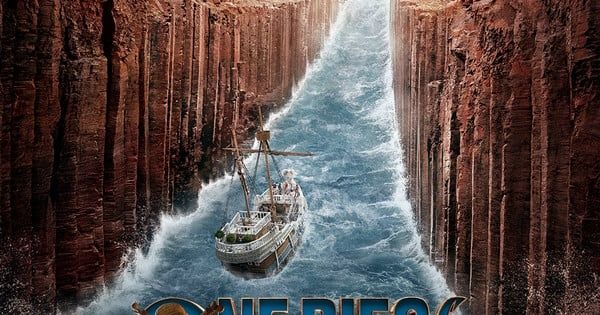
Netflix has unveiled the first visual of Reverse Mountain from the upcoming second season of its live-action One Piece adaptation, according to animenewsnetwork.com. The striking image reveals the massive, waterfall-covered mountain that serves as the gateway to the Grand Line, the dangerous and mysterious sea where the main adventure unfolds in Eiichiro Oda's beloved manga series. This early glimpse suggests the production is tackling one of the franchise's most iconic geographical features with ambitious practical and visual effects.
The visual, released on animenewsnetwork.com on 2025-09-30T22:00:00+00:00, shows the mountain's distinctive inverted peak with four converging currents crashing upward against gravity before flowing down into the Grand Line. The production appears to be blending practical location shooting with extensive digital enhancement to create the impossible geological formation. This reveal comes as filming for the second season continues, building anticipation for how the adaptation will handle the Straw Hat Pirates' journey into the more fantastical elements of Oda's world.
Architectural Marvel of the One Piece World
Understanding Reverse Mountain's Unique Mechanics
Reverse Mountain stands as one of the most imaginative creations in One Piece's world-building, functioning as the only safe entrance to the Grand Line from the four Blues. The mountain's impossible physics see ocean currents flowing upward against gravity through a canal system carved into the rock face. Ships must navigate these treacherous upward-flowing waterways to reach the summit before descending into the legendary sea, making it both a geographical marvel and a nautical challenge.
The mountain's design incorporates elements from various real-world waterfall systems while amplifying them to fantastic proportions. The four converging currents represent the North Blue, South Blue, East Blue, and West Blue seas meeting at this single point. This convergence creates turbulent waters that require precise navigation, establishing Reverse Mountain as both a gateway and a test for aspiring pirates. The live-action version appears to maintain these essential characteristics while adapting them for a more grounded visual medium.
From Manga Panel to Live-Action Spectacle
The Translation Process of Iconic Imagery
Translating Reverse Mountain from Oda's distinctive art style to live-action presents unique challenges for the production team. The manga version features exaggerated proportions and dynamic line work that conveys motion and scale in ways that don't naturally translate to photorealistic depiction. The live-action team must balance faithfulness to the source material with creating something believable within their established visual language, a tension that defined much of the first season's reception.
Early reactions to the Reverse Mountain visual suggest the production is leaning into practical effects where possible while using CGI to enhance the impossible elements. The mountain itself appears to be based on real rock formations, with the upward-flowing waterfalls created through a combination of practical water effects and digital augmentation. This hybrid approach mirrors techniques used in the first season's Going Merry sequences, where physical sets were enhanced with digital extensions to create the iconic ship's distinctive features and movements.
Season 2's Expanded World Building
Beyond East Blue into Grander Adventures
The Reverse Mountain visual signals the production's commitment to expanding beyond the relatively grounded East Blue saga into the more fantastical elements of the One Piece world. The first season covered the recruitment of core crew members Zoro, Nami, Usopp, and Sanji, culminating in Arlong Park's defeat. Reverse Mountain represents the narrative threshold where the series fully embraces its supernatural elements and larger-scale world-building.
This transition point introduces viewers to concepts like the Log Pose, sea kings, and the unpredictable weather patterns of the Grand Line. The visual reveal suggests the production is investing significantly in establishing these new elements early, building anticipation for how they'll handle later, even more fantastical locations like Skypiea and Fish-Man Island. The careful attention to Reverse Mountain's design indicates a understanding of its importance as both a physical location and a symbolic gateway to the series' true scope.
Production Challenges and Solutions
Creating the Impossible with Modern Technology
Bringing Reverse Mountain to life required solving numerous technical challenges that didn't exist for the manga or anime adaptations. The production likely employed a combination of location shooting at real waterfalls, studio tank work for the water sequences, and extensive digital environment creation. The upward-flowing water presents particular difficulties, as it defies normal fluid dynamics and requires either practical effects using powerful pumps or complete digital creation.
The scale of the mountain also presents logistical challenges, as it needs to appear massive enough to house four separate waterway systems while still allowing for intimate character moments during the ascent. The production team has remained tight-lipped about their specific technical approaches, but the released visual suggests a multi-layered solution combining miniature work, digital matte paintings, and CGI water simulation. This complex approach reflects the increased budget and ambition for the second season following the first installment's critical and commercial success.
Historical Context of Live-Action Adaptations
Learning from Past Anime-to-Live-Action Transitions
Netflix's One Piece arrives amidst a troubled history of anime-to-live-action adaptations, with previous attempts like Dragonball Evolution and Ghost in the Shell facing criticism for misunderstanding source material. The first season of One Piece broke this pattern by working closely with creator Eiichiro Oda and maintaining the series' core spirit while making necessary adjustments for the live-action format. The Reverse Mountain visual continues this careful balancing act between faithfulness and adaptation.
The success of the first season demonstrated that live-action anime adaptations can work when they respect the source material while understanding the different requirements of the medium. Other recent successful adaptations like the Rurouni Kenshin films have shown that practical effects and location work can ground even the most fantastical elements. The approach to Reverse Mountain appears to build on these lessons, using real locations as foundations for digital enhancement rather than creating entirely computer-generated environments.
Character Development at the Gateway
Reverse Mountain as Narrative Turning Point
Beyond its visual spectacle, Reverse Mountain serves crucial narrative functions in character development and crew dynamics. The journey up the mountain tests the Straw Hats' navigation skills and teamwork while introducing Laboon the whale, who becomes a significant emotional touchstone for Brook's later introduction. This sequence establishes the crew's ability to handle the Grand Line's unique challenges while foreshadowing future storylines and character connections.
The live-action adaptation will need to balance the visual spectacle with these character moments, ensuring the mountain sequence advances both plot and character development. The first season demonstrated strength in character-focused storytelling, particularly in the Baratie and Arlong Park arcs, suggesting the production understands the importance of emotional stakes alongside visual grandeur. How they handle Laboon's introduction will be particularly telling for their approach to the series' more emotional storylines.
Global Production and Local Sensibility
International Collaboration in Anime Adaptation
The One Piece live-action series represents a significant international collaboration, with South African locations standing in for various One Piece settings and a diverse production team working to translate Japanese source material for global audiences. This global approach brings both challenges and opportunities, requiring cultural sensitivity while making the material accessible to viewers unfamiliar with anime conventions. The Reverse Mountain visual suggests a continuation of this internationally-informed aesthetic.
The production's location choices reflect practical considerations as well as creative ones, with South Africa's diverse landscapes providing cost-effective alternatives to building extensive sets. This approach allows for greater scale and visual variety while keeping production manageable. The success of this international model could influence future anime adaptations, demonstrating how global resources can enhance rather than dilute Japanese source material when handled with appropriate cultural consultation and creative oversight.
Technical Innovations in Fantasy Television
Pushing Boundaries in Streaming Era Production
The Reverse Mountain sequence represents another step forward in streaming-era fantasy television production values, following advancements seen in series like The Mandalorian and The Witcher. The use of LED volume technology, which creates digital environments in real-time around actors, could potentially be employed for the interior mountain sequences where the Straw Hats navigate the upward-flowing canals. This technology allows for more natural lighting and reflections than traditional green screen while giving performers more tangible environmental context.
The water effects specifically push current technical capabilities, as digital water simulation remains one of the most computationally intensive visual effects. Recent advancements in real-time water simulation for games like Microsoft Flight Simulator suggest similar technologies might be adapted for film and television production. The Reverse Mountain visual indicates the production is leveraging these cutting-edge tools while maintaining the practical, tactile quality that made the first season's effects work so effective.
Audience Expectations and Creative Vision
Balancing Fan Service with Accessible Storytelling
The Reverse Mountain reveal arrives amidst high expectations from both dedicated One Piece fans and newcomers who discovered the series through the live-action adaptation. Faithful fans will scrutinize every detail against their knowledge of the manga and anime, while new viewers need the location to make sense within the established live-action world. This balancing act requires satisfying existing fans without alienating newcomers, a challenge the first season navigated successfully through careful exposition and maintained spirit.
The visual suggests a commitment to faithfulness while making necessary adaptations for the different medium. The mountain's design appears instantly recognizable to fans while being impressive and coherent for newcomers. This approach mirrors the first season's handling of Devil Fruits and other supernatural elements, which were presented as wondrous but internally consistent within the show's reality. Maintaining this balance will be crucial as the series introduces more fantastical elements in the Grand Line arcs.
Perspektif Pembaca
Share Your Viewpoint
Which approach to fantastical locations in live-action adaptations resonates most with you as a viewer? Do you prefer completely digital environments that perfectly match source material aesthetics, or grounded approaches using real locations enhanced with effects? How important is geographical accuracy to your enjoyment of fantasy and adventure storytelling?
Consider how different adaptations have handled impossible locations—from Game of Thrones' blending of real castles with digital extensions to the entirely digital worlds of Avatar. Where does One Piece's approach to Reverse Mountain fit in this spectrum for you? Does seeing practical elements in fantastic settings enhance believability, or do you prefer embracing complete digital creation for truly impossible geography?
#OnePiece #LiveAction #Netflix #ReverseMountain #Season2


