

Beyond the Dragon's Shadow: Four Emerging Tabletop RPGs Challenging D&D's Throne

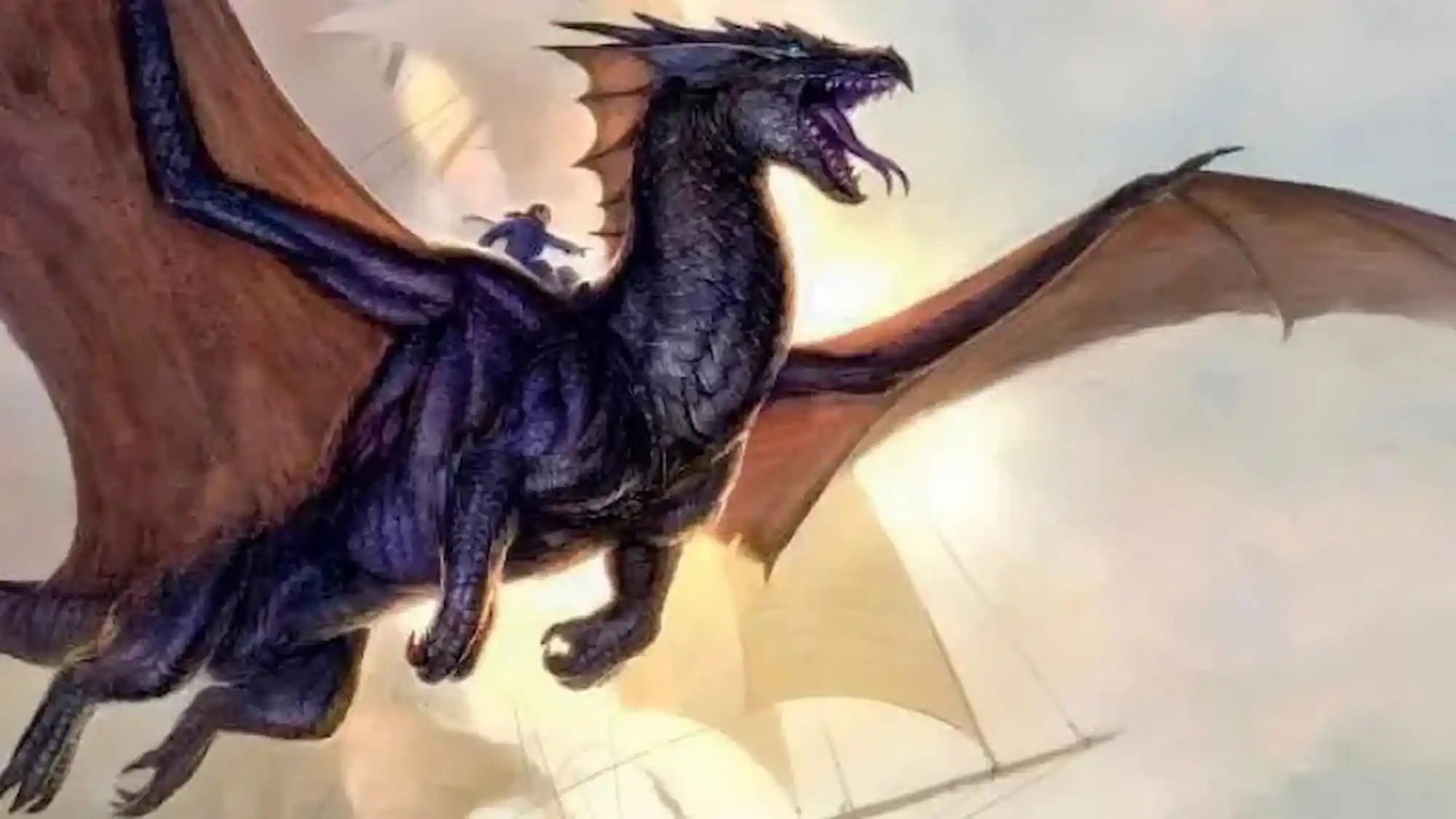
📷 Image source: comicbook.com
The Changing Landscape of Tabletop Gaming
How New Systems Are Reshaping Roleplaying
For decades, Dungeons & Dragons has dominated the tabletop roleplaying game (TTRPG) landscape, serving as the gateway experience for millions of players worldwide. According to comicbook.com's November 25, 2025 analysis, this monopoly is facing unprecedented challenges from innovative new systems that offer fresh approaches to collaborative storytelling. The traditional fantasy setting that once defined the genre is expanding to include diverse themes, mechanics, and playstyles that appeal to modern gaming sensibilities.
These emerging TTRPGs aren't merely copying D&D's successful formula but are building entirely new frameworks for player engagement. While Dungeons & Dragons excels at high-fantasy adventure with tactical combat, the newcomers explore genres ranging from cosmic horror to urban fantasy, each with unique resolution systems that prioritize different aspects of roleplaying. The diversification reflects how tabletop gaming has evolved from niche hobby to mainstream entertainment, with players seeking experiences tailored to their specific interests rather than one-size-fits-all solutions.
Shadowdark: Back to Basics Revolution
Old-School Simplicity Meets Modern Design
Shadowdark represents a fascinating fusion of old-school gaming principles with contemporary design philosophy. Created by game designer Kelsey Dionne, this system strips away decades of rules bloat to return to the essence of early roleplaying experiences. The game uses a unified d20 resolution system where players roll all the dice, simplifying gameplay while maintaining strategic depth. Character creation takes minutes rather than hours, making the game exceptionally accessible for newcomers and veterans seeking streamlined sessions.
What sets Shadowdark apart is its emphasis on tension and consequence within dungeon exploration. The game introduces a real-time torch mechanic that tracks light sources during adventures, creating natural time pressure and resource management challenges. Unlike D&D's carefully balanced encounter design, Shadowdark embraces unpredictable danger where characters can quickly find themselves in over their heads. This approach creates memorable, emergent stories born from player decisions rather than predetermined plotlines, appealing to those who prefer organic storytelling over scripted campaigns.
Dragonbane: Swedish Design Excellence
Bringing Nordic Game Philosophy to Fantasy
Originally published in Sweden as Drakar och Demoner, Dragonbane represents Free League Publishing's masterful adaptation of a Scandinavian classic for international audiences. The system stands out for its elegant d20-based mechanics that emphasize player agency and heroic action. Unlike D&D's class-based progression, Dragonbane employs a skill-based system where characters improve through use rather than leveling up, creating organic character development that mirrors actual experience.
The game's combat system introduces push-your-luck mechanics that make every encounter tense and strategic. Players can choose to push failed rolls for a second attempt, but doing so risks conditions like fatigue or worse consequences. This creates dramatic moments where players must weigh desperation against potential disaster. Dragonbane's monster design further distinguishes it, with creatures that present unique tactical puzzles rather than mere bags of hit points to deplete. The system's straightforward yet deep approach has attracted players seeking meaningful choices in both narrative and mechanical contexts.
Fabula Ultima: Japanese-Inspired Narrative Freedom
Channeling JRPG Aesthetics into Tabletop Form
Fabula Ultima translates the distinctive feel of Japanese roleplaying games into a tabletop experience that prioritizes collaborative storytelling over simulation. Designed by Emanuele Galletto, the system explicitly embraces JRPG tropes while providing tools for players to shape the narrative directly. The game eliminates traditional Game Master (GM) fiat in favor of a more democratic approach where players contribute to world-building and plot development through defined mechanics.
Character creation in Fabula Ultima revolves around thematic identities rather than statistical optimization, with players building heroes around concepts like 'The Elementalist' or 'The Wayfarer.' The system uses a unique dice pool mechanic that encourages creative problem-solving by rewarding players for incorporating their character's traits into their actions. Combat emphasizes dramatic moments and character development over tactical positioning, with mechanics that support the emotional arcs typical of JRPG storytelling. This makes Fabula Ultima particularly appealing to groups that value narrative coherence and character relationships above strategic challenge.
Cities Without Number: Cyberpunk Reinvented
Blending Classic Cyberpunk with Modern Mechanics
Cities Without Number brings the dystopian future of cyberpunk to life through a refined version of the mechanics popularized by Stars Without Number. Creator Kevin Crawford has adapted his celebrated sandbox game design to urban sprawls dominated by megacorporations and technological transformation. The system excels at generating compelling settings and factions that create dynamic, player-driven stories without extensive GM preparation.
Character creation focuses on professional archetypes rather than traditional classes, allowing players to craft everything from corporate executives to street samurai with equal mechanical support. The game's signature element is its extensive toolkit for generating corporate intrigue, urban landscapes, and technological mysteries that respond organically to player actions. Unlike many cyberpunk systems that emphasize combat, Cities Without Number provides robust systems for social manipulation, investigation, and technological interaction, creating a balanced experience that supports multiple playstyles within the same campaign.
Mechanical Innovation: Beyond d20 Systems
How New Games Are Redefining Core Mechanics
The most significant departure these emerging TTRPGs make from the D&D model lies in their fundamental resolution systems. While Dungeons & Dragons relies heavily on the d20 for most actions, the newcomers introduce varied approaches that better serve their specific genres and playstyles. Shadowdark maintains the d20 foundation but streamlines modifiers and conditions, while Fabula Ultima employs dice pools that scale with character competence and situation.
These mechanical differences create distinct play experiences that attract different types of gamers. Systems like Dragonbane's pushed rolls introduce calculated risk-taking, while Cities Without Number's skill-based progression rewards character specialization. The variety demonstrates how tabletop gaming has matured beyond a single dominant system, with different mechanics better serving different narrative goals and player preferences. This diversification allows groups to select systems that align with their desired play experience rather than adapting D&D to purposes it wasn't designed to serve.
Accessibility and Learning Curves
Lowering Barriers to Entry
One consistent advantage these emerging systems hold over Dungeons & Dragons is their approachability for new players. While D&D's fifth edition simplified earlier versions, it still presents significant complexity with hundreds of pages of rules, spells, and character options. In contrast, games like Shadowdark offer complete systems in under 100 pages, with character creation that can be completed in minutes rather than hours.
The streamlined nature of these new systems doesn't necessarily mean reduced depth. Instead, they achieve complexity through emergent gameplay rather than predefined rules. Cities Without Number provides extensive tools for GMs to create dynamic worlds, but the core rules that players need to understand remain straightforward. This division between player-facing simplicity and GM-supporting depth makes these systems particularly appealing for groups where rotating GMs or one-shot games are common, lowering the barrier for trying new gaming experiences.
Digital Integration and Community Building
Thriving in the Online Gaming Ecosystem
Modern TTRPGs exist within an ecosystem profoundly shaped by digital tools and online communities, and these emerging systems have been designed with this reality in mind. All four games offer extensive digital support through virtual tabletop integrations, character builders, and community resources that facilitate online play. This digital-native approach contrasts with D&D's sometimes awkward adaptation to online platforms originally designed for its ruleset.
The communities forming around these games emphasize accessibility and inclusion, with active developer engagement on platforms like Discord and dedicated subreddits. Unlike the sometimes overwhelming scale of D&D's community, these smaller but highly engaged groups offer more direct interaction between creators and players. This creates feedback loops that rapidly improve games through errata and supplementary materials, making players feel like participants in the games' ongoing development rather than mere consumers of finished products.
Economic Models and Creator Support
Alternative Publishing Approaches
The business models supporting these emerging TTRPGs differ significantly from the corporate structure behind Dungeons & Dragons. While Wizards of the Coast operates as a subsidiary of Hasbro, these newer games often emerge from smaller independent studios or even individual creators. This independence allows for more experimental design and direct relationship with player communities, though it comes with different economic challenges and opportunities.
Many of these games utilize crowdfunding platforms like Kickstarter not just for funding but for community building and market validation. The successful campaigns for these systems demonstrate substantial demand for alternatives to D&D, with backers often participating in development through feedback and playtesting. This model creates games that feel collaboratively developed rather than corporately produced, though questions remain about long-term sustainability and support compared to the established infrastructure behind Dungeons & Dragons.
Global Influences and Cross-Pollination
How International Design Is Reshaping TTRPGs
The tabletop roleplaying renaissance isn't confined to English-language markets, and these emerging systems reflect diverse international influences. Dragonbane brings Swedish game design philosophy to global audiences, while Fabula Ultima translates Japanese video game storytelling into tabletop form. This cross-pollination introduces mechanics and narrative approaches that evolved outside the D&D-dominated Anglo-American gaming tradition.
These international influences create games that feel fresh to players steeped in D&D's particular traditions. The Swedish emphasis on player agency and elegant mechanics in Dragonbane contrasts with D&D's more prescriptive approach, while Fabula Ultima's narrative collaboration draws from different storytelling traditions than typical Western fantasy. As tabletop gaming becomes increasingly globalized, this diversity of design philosophy promises continued innovation and specialization within the hobby, benefiting players seeking experiences beyond D&D's established patterns.
Future Prospects and Industry Impact
What These Challengers Mean for Tabletop Gaming
The simultaneous emergence of multiple credible alternatives to Dungeons & Dragons signals a fundamental shift in the tabletop roleplaying landscape. Rather than a single dominant game surrounded by niche products, the industry appears to be moving toward a more diversified ecosystem with several successful systems catering to different preferences. This healthy competition benefits players through innovation and forces established games to continually improve and adapt.
The long-term impact on Dungeons & Dragons itself remains uncertain. Hasbro's acquisition of D&D Beyond and increased digital initiatives suggest recognition of the changing market, but whether this will lead to significant system evolution or merely better support for the existing game is unclear. What seems certain is that the era of D&D's near-monopoly is ending, replaced by a richer, more varied tabletop gaming environment where multiple systems can thrive by serving different player needs and preferences.
Reader Perspective
Share Your Gaming Experiences
Have you explored any of these emerging tabletop RPG systems, or have you found other alternatives to Dungeons & Dragons that better suit your gaming group's preferences? What elements do you prioritize when selecting a new roleplaying system—streamlined rules, narrative freedom, genre specificity, or community support?
Many players discover that different systems work better for different types of campaigns or player groups. Have you found that branching out from D&D has enhanced your tabletop experiences, or do you prefer sticking with the system you know best? Share your perspectives on how the expanding landscape of tabletop RPGs has affected your gaming habits and what you hope to see from future system development.
#TTRPG #TabletopGaming #Shadowdark #Dragonbane #RPG #GamingNews


