

Blue Miburo Season 2 Expands Cast with Taku Yashiro, Continues Historical Samurai Saga

📷 Image source: animenewsnetwork.com
New Voice Joins Historical Ensemble
Veteran Actor Taku Yashiro Brings Fresh Dynamic to Samurai Narrative
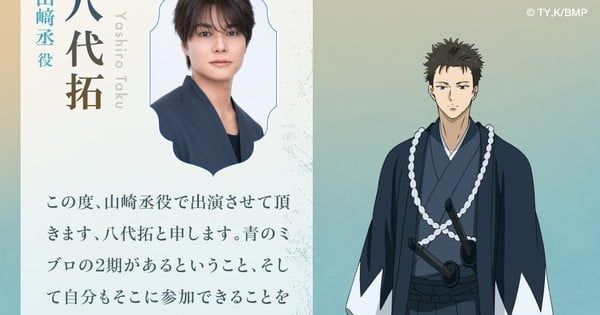
The upcoming second season of Blue Miburo has officially announced the casting of Taku Yashiro in a significant new role, according to animenewsnetwork.com. This development marks another milestone for the historical anime series that has captivated audiences with its depiction of the early Meiji period's turbulent transition from samurai tradition to modern warfare. Yashiro's involvement brings additional star power to an already impressive voice cast.
While the specific character Yashiro will portray remains undisclosed in the available information, his track record in anime suggests he'll deliver a compelling performance. The actor has previously voiced characters in series like The Rising of the Shield Hero and Dr. Stone, demonstrating range across different genres. His casting follows the established pattern of Blue Miburo featuring talented voice actors who can handle both dramatic historical moments and intense battle sequences.
Understanding the Blue Miburo Phenomenon
From Manga Pages to Animated Historical Epic
Blue Miburo originated as a manga series created by Tsuyoshi Yasuda, serialized in Kodansha's Monthly Shonen Magazine since 2021. The series takes its title from the nickname given to the Shinsengumi's sixth division, known for their distinctive blue uniforms during the Bakumatsu period. This historical foundation provides rich material for exploring Japan's dramatic transformation from feudal society to modern nation-state.
The anime adaptation, produced by Maho Film studio, first aired in 2023 and quickly gained attention for its balanced approach to historical accuracy and engaging character development. Unlike many samurai-themed series that focus solely on swordplay, Blue Miburo delves into the political complexities and personal conflicts of men caught between disappearing traditions and emerging modernity. This nuanced storytelling has earned the series a dedicated international following.
Historical Context and Setting
Japan's Revolutionary Transition Period
Blue Miburo is set during the Bakumatsu period (1853-1868), the final years of the Edo period when Japan ended its sakoku isolationist policy. This era witnessed the collapse of the Tokugawa shogunate and the restoration of imperial power under Emperor Meiji. The series specifically focuses on the Shinsengumi, a special police force formed to protect the shogunate's interests in Kyoto during this volatile time.
The historical accuracy extends beyond major events to include details about clothing, weaponry, and social customs of the period. Characters use authentic terminology and follow protocols appropriate to their station, creating an immersive experience for viewers interested in Japanese history. However, the series takes creative liberties with interpersonal relationships and some narrative elements to enhance dramatic tension and character development.
Production Team and Creative Vision
The Minds Behind the Historical Drama
Maho Film, the studio responsible for Blue Miburo's animation, has developed a reputation for quality adaptations of historical and fantasy manga. Their attention to period details in architecture, costume design, and combat choreography has been particularly praised by critics and viewers alike. The studio's previous work includes The Great Cleric and I'm Standing on a Million Lives, demonstrating their versatility across genres.
Series director Masahiro Hosoda brings experience from directing segments of Attack on Titan and working on Vinland Saga, both series known for their intense action and complex character arcs. This background makes him particularly suited to handle Blue Miburo's balance of historical drama and combat sequences. The musical score, composed by Kana Utatane, incorporates traditional Japanese instruments alongside orchestral arrangements to create a soundscape that bridges old and new Japan.
Character Dynamics and Development
Exploring Relationships in Turbulent Times
The core cast of Blue Miburo represents various factions and perspectives within the Shinsengumi, allowing the series to explore multiple viewpoints on the era's conflicts. Main characters include Toshizō Hijikata, Sōji Okita, and Isami Kondō, historical figures whose lives and relationships are dramatized for narrative impact. Each character embodies different aspects of the samurai code and responds uniquely to the changing times.
Character development often centers on the tension between duty and personal desire, tradition and progress, loyalty and self-preservation. These universal themes resonate with contemporary audiences while remaining grounded in historical context. The addition of Taku Yashiro's character will likely introduce new dynamics and conflicts that further explore these central tensions through fresh interactions with established characters.
Animation Style and Visual Storytelling
Bringing Historical Japan to Life
Blue Miburo's visual approach combines detailed background art with fluid character animation, particularly during sword fight sequences. The color palette emphasizes the blues of the unit's uniforms while using seasonal changes to mark the passage of time and shifting political climates. Battle scenes are choreographed to reflect historical kenjutsu styles rather than exaggerated superhuman abilities common in other anime.
The animation team conducts thorough research into period architecture, clothing, and landscapes to create authentic environments. Kyoto's streets, temples, and natural surroundings are rendered with attention to historical accuracy while maintaining the aesthetic qualities expected of anime. This commitment to visual authenticity helps immerse viewers in the world of late Edo-period Japan while supporting the narrative's emotional beats through careful composition and lighting.
International Reception and Cultural Impact
Samurai Stories Crossing Borders
Blue Miburo has found audiences beyond Japan, particularly in markets with established interest in samurai culture and historical dramas. The series joins other successful historical anime like Golden Kamuy and Vinland Saga in demonstrating global appeal for well-researched period pieces. International viewers have praised the series for making complex Japanese history accessible without oversimplifying the political and social dynamics.
The anime's availability on streaming platforms with quality subtitles and dubs has facilitated its international reach. Discussion forums and social media platforms host active communities analyzing historical references, character motivations, and predicting future plot developments. This global engagement demonstrates how stories rooted in specific national histories can resonate universally when they explore fundamental human experiences amid societal change.
Season One Recap and Narrative Foundation
Establishing the Stage for Continued Drama
The first season of Blue Miburo established the core conflicts facing the Shinsengumi as they navigated increasing political instability and internal divisions. Key story arcs included the Ikedaya Incident, a historical event where the Shinsengumi raided a Kyoto inn where anti-shogunate plotters were meeting. This event demonstrated the unit's effectiveness while highlighting the growing tensions that would eventually lead to the Boshin War.
Character relationships were carefully developed throughout the first season, particularly the complex dynamics between Hijikata, Okita, and Kondō. These relationships form the emotional core of the series, with personal loyalties often conflicting with political necessities. The season concluded with the Shinsengumi facing an uncertain future as support for the shogunate continued to erode, setting the stage for the dramatic developments expected in season two.
Industry Context and Production Trends
Historical Anime in Contemporary Market
Blue Miburo arrives during a period of renewed interest in historical anime, particularly those based on documented events and figures. This trend reflects both audience appetite for educational entertainment and the industry's willingness to invest in projects requiring substantial research. Successful series in this subgenre typically balance authenticity with narrative accessibility, finding ways to make historical contexts understandable without extensive prior knowledge.
The production of season two follows the established pattern for successful manga adaptations, where subsequent seasons are greenlit based on viewer response and source material availability. The casting of established voice actors like Taku Yashiro indicates confidence in the project's continued success and potential for growth. Industry patterns suggest that historical series often develop dedicated fanbases that support long-term franchise development through merchandise, games, and supplementary media.
Themes and Philosophical Undercurrents
More Than Sword Fights and Period Costumes
Beyond its historical setting and action sequences, Blue Miburo explores profound themes about honor, change, and identity. Characters frequently grapple with what it means to be a samurai when the social structures that defined that role are disappearing. The series examines how individuals and groups adapt—or fail to adapt—to revolutionary social transformations, drawing parallels to contemporary experiences of rapid technological and cultural change.
The narrative raises questions about whether traditions represent valuable cultural heritage or obstacles to progress, presenting multiple perspectives without simplistic judgments. This philosophical depth distinguishes Blue Miburo from more straightforward action-oriented historical anime and contributes to its critical acclaim. The addition of new characters in season two will likely introduce additional viewpoints that further complicate these central thematic explorations.
Future Prospects and Fan Expectations
Anticipating Season Two's Developments
With Taku Yashiro's casting confirmed, speculation about his character's role and impact on existing dynamics has become a focus of fan discussion. The limited information available means viewers are analyzing Yashiro's previous roles for clues about what type of character he might portray. Historical knowledge about the period provides additional context for predicting potential narrative directions based on actual events following the first season's timeline.
Fans expect season two to cover the Boshin War (1868-1869), the conflict between imperial and shogunate forces that fundamentally reshaped Japan's political landscape. This historical context suggests the season will feature significant battle sequences and difficult choices for the Shinsengumi members as their world transforms around them. The series will likely continue balancing large-scale historical events with intimate character moments that have defined its appeal.
Perspektif Pembaca
Share Your Viewpoint
Which elements of historical anime like Blue Miburo do you find most engaging? Do you prefer when these series stick closely to documented events, or when they take creative liberties for narrative impact? How does learning about another country's history through entertainment media influence your understanding of that culture?
We're interested in hearing perspectives from viewers with different relationships to Japanese history—from those with extensive knowledge to those encountering these historical periods for the first time through anime. What aspects of the transition from feudal to modern Japan explored in Blue Miburo resonate with experiences of change in your own society? How do the series' themes of honor, loyalty, and adaptation translate across cultural contexts?
#BlueMiburo #Season2 #TakuYashiro #HistoricalAnime #Shinsengumi


