

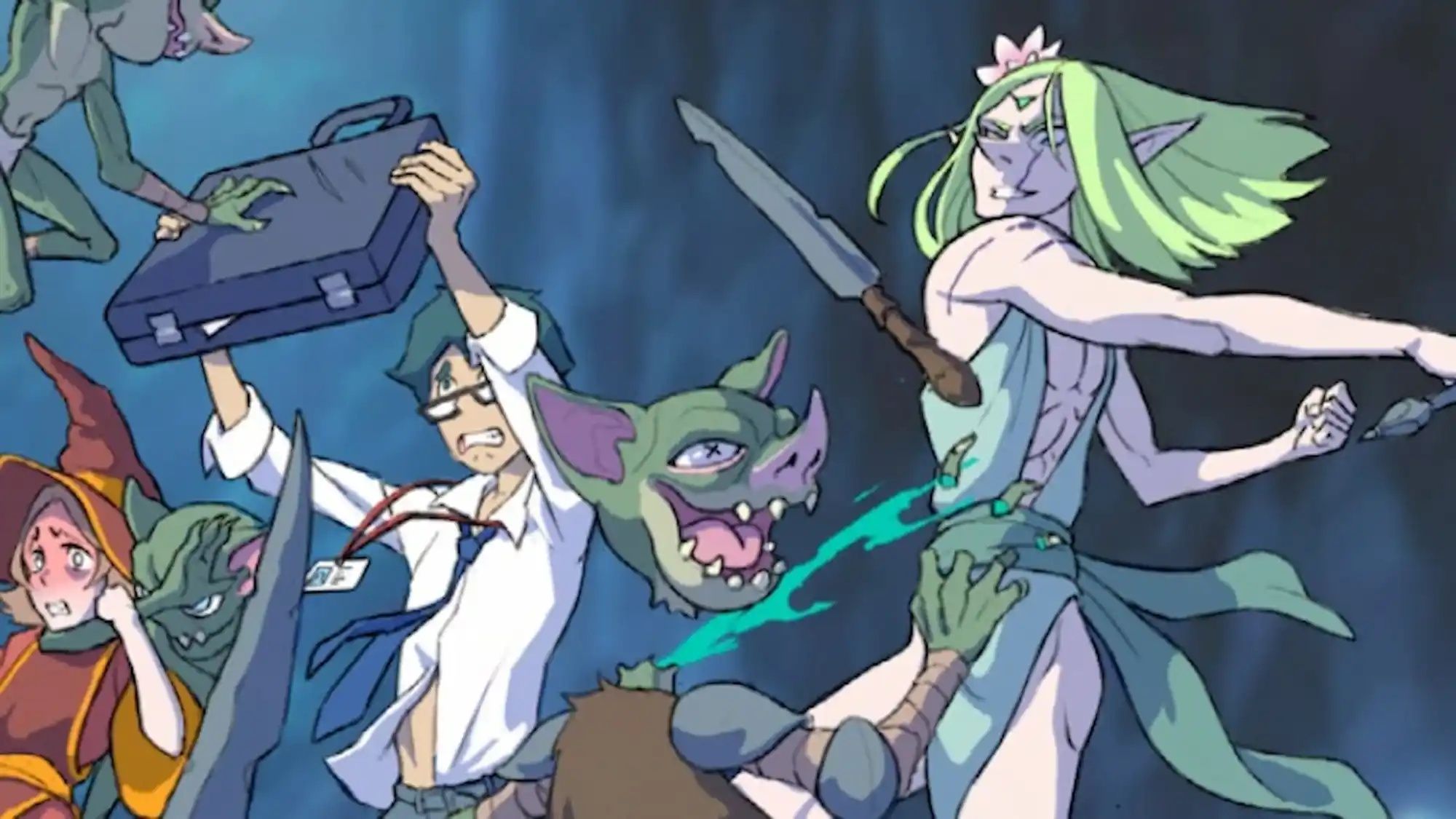
Four Tabletop Roleplaying Games That Capture the Anime Experience

📷 Image source: comicbook.com
Anime Meets Tabletop Gaming
How TTRPGs are capturing the spirit of Japanese animation
For anime enthusiasts seeking to immerse themselves in their favorite genres beyond the screen, tabletop roleplaying games offer a compelling alternative. According to comicbook.com's gaming analysis published on November 24, 2025, several TTRPGs have successfully translated the distinctive energy and storytelling approaches of anime into interactive experiences. These games provide frameworks for players to create narratives that feel authentically anime while maintaining the collaborative freedom that defines tabletop gaming.
The appeal lies in how these systems capture anime's signature elements—dynamic action sequences, emotional character development, and often outrageous power scaling. While traditional Western RPGs typically focus on gritty realism or high fantasy, these anime-inspired games embrace the medium's willingness to blend genres and prioritize dramatic moments over simulationist accuracy. They offer structured ways to recreate everything from mecha battles to magical girl transformations around your gaming table.
Mekton Zeta: Giant Robot Excellence
The definitive mecha roleplaying experience
Mekton Zeta stands as what comicbook.com describes as "the definitive mecha roleplaying game" for anime fans. This system specifically caters to enthusiasts of giant robot series like Gundam, Evangelion, and Macross. The game's mechanics focus heavily on customizing and piloting massive mechanical units, with detailed construction rules that allow players to design everything from transformable vehicles to towering humanoid weapons.
What makes Mekton Zeta particularly effective is its attention to the genre's conventions. The system includes rules for dramatic reveals, last-minute saves, and the emotional strain on pilots—elements central to mecha anime narratives. Character creation emphasizes the personal stories behind the cockpit, ensuring that pilots feel as developed as their machines. The game has maintained popularity for decades precisely because it understands that mecha stories aren't just about robots fighting; they're about the people inside them.
OVA: Open Versatile Anime RPG
Flexibility across anime genres
OVA takes a different approach by offering what the comicbook.com report calls "a generic system that can handle any anime genre." Rather than focusing on one specific style of anime, this game provides tools to recreate everything from slice-of-life comedies to supernatural battles. The system uses a straightforward trait-based character creation that encourages players to define their characters through descriptive qualities rather than complex statistics.
The game's design philosophy prioritizes narrative flow over mechanical complexity. Conflicts resolve quickly to maintain dramatic pacing, and character abilities can be broadly interpreted to allow for creative problem-solving. This flexibility makes OVA particularly welcoming for newcomers to tabletop RPGs who might be more familiar with anime tropes than gaming conventions. It demonstrates how anime's diverse storytelling approaches can be supported by a single, adaptable ruleset.
BESM Fourth Edition: The Anime Classic
Big Eyes, Small Mouth returns with refined mechanics
Big Eyes, Small Mouth represents what the source material identifies as "one of the most well-known anime RPGs." Now in its fourth edition, BESM continues to use a point-based character creation system that allows players to build exactly the type of anime character they envision. The system's tri-stat mechanic (Body, Mind, Soul) provides a clean foundation for representing characters across power levels, from ordinary students to universe-threatening entities.
BESM's longevity stems from its comprehensive approach to anime tropes and conventions. The rulebook includes extensive guidelines for running games in specific anime genres, complete with advice on tone, pacing, and appropriate power levels. Character options cover the full spectrum of anime archetypes, and the game mechanics explicitly support the kind of dramatic character growth that defines many anime series. It's a system built by people who clearly understand what makes anime storytelling distinctive.
Anime Campaign: Inspired by Actual Play
From popular web series to complete game system
Anime Campaign offers something unique among anime RPGs—it originated from an actual play series that gained significant popularity online. According to comicbook.com, this game started as "a homebrew system used in a popular online campaign" before being developed into a full publication. This origin means the rules were refined through actual play rather than theoretical design, resulting in mechanics that prioritize fun and narrative momentum.
The system uses a simplified approach to combat and character abilities that keeps games moving quickly while still allowing for dramatic moments and creative solutions. Character creation encourages the kind of distinctive, often quirky personalities that populate anime ensembles. Because the game emerged from a real campaign, it includes practical advice for maintaining the energy and pacing that makes anime-inspired gaming satisfying. It represents how anime RPGs have evolved from purely professional designs to systems born from community creativity.
Why Anime and TTRPGs Work Together
The natural synergy between two storytelling mediums
The compatibility between anime and tabletop roleplaying runs deeper than surface aesthetics. Both mediums thrive on character-driven narratives, ensemble casts, and the gradual escalation of stakes and abilities. Anime's willingness to blend serious drama with comedic moments mirrors the tonal shifts that occur naturally in RPG sessions. The episodic structure of many anime series also translates well to the campaign format common in tabletop gaming.
These specialized systems understand that anime storytelling often follows different rules than Western narratives. Power progression tends to be more dramatic, emotional moments are more openly expressed, and the line between comedy and seriousness can shift rapidly. The most successful anime RPGs provide mechanical support for these conventions rather than forcing anime stories into systems designed for different storytelling traditions. They acknowledge that the spirit of anime matters as much as the specific tropes.
Getting Started with Anime TTRPGs
Practical advice for new players and GMs
For groups interested in exploring anime RPGs, comicbook.com's analysis suggests considering what specific aspects of anime most appeal to your group. Are you drawn to specific genres like mecha, magical girl, or sports anime? Different systems cater to different preferences, with some offering genre-specific tools while others provide broader frameworks. Groups coming from more traditional RPGs might appreciate how these systems often streamline complex mechanics in favor of narrative flow.
Game Masters should consider how anime pacing differs from other RPG traditions. Sessions might benefit from more dramatic reveals, more frequent character moments, and less concern with realistic simulation. Many anime RPGs include advice for structuring adventures to feel like anime episodes or arcs, complete with cliffhangers and thematic throughlines. The collaborative nature of TTRPGs actually enhances the anime experience, allowing players to contribute to stories in ways that passive viewing cannot match.
The Future of Anime-Inspired Tabletop Gaming
Where the genre might evolve next
As tabletop gaming continues to diversify, anime-inspired systems appear positioned for continued growth and innovation. The success of games like those highlighted by comicbook.com demonstrates sustained interest in bringing anime's distinctive storytelling approaches to the gaming table. We're likely to see more systems that blend digital and tabletop elements, perhaps incorporating music, visual aids, or other multimedia components that enhance the anime feel.
The increasing globalization of anime culture suggests these games will reach wider audiences and potentially influence mainstream RPG design. Elements like more expressive character mechanics, rules for dramatic timing, and support for genre-blending might gradually appear in games not specifically marketed as anime RPGs. As both mediums continue to evolve, the cross-pollination between anime and tabletop roleplaying seems destined to produce even more creative and engaging experiences for players worldwide.
#TTRPG #AnimeGaming #TabletopRPG #MechaGames #AnimeRPG


