

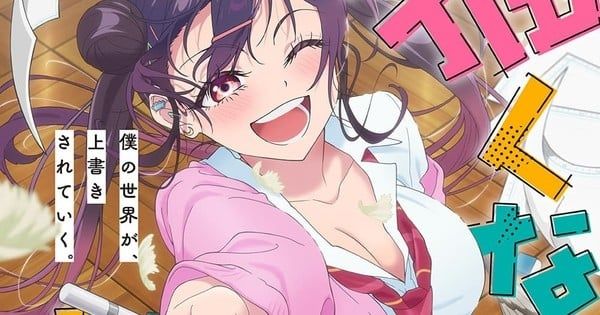
From Panels to Animation: 'Now That We Draw' Manga Receives Television Adaptation

📷 Image source: animenewsnetwork.com
Breaking News: Artistic Journey Expands to Television
Popular Manga Series Secures Animated Adaptation
The manga world is buzzing with excitement as 'Now That We Draw,' a beloved series about aspiring artists, has officially been greenlit for a television anime adaptation. According to animenewsnetwork.com, the announcement came on November 21, 2025, marking a significant milestone for the creative property that has captured readers' hearts through its authentic portrayal of artistic struggles and triumphs. The adaptation promises to bring the manga's vibrant characters and emotional storytelling to life through animation, expanding its reach to new audiences worldwide.
While specific details about the animation studio remain undisclosed, sources confirm that production is already underway. The transition from static panels to moving images represents a natural evolution for a series that fundamentally explores the art creation process itself. Fans have expressed particular curiosity about how the anime will handle the manga's detailed artwork sequences, which form the core of its narrative appeal and educational value for aspiring creators.
Understanding the Source Material
What Makes 'Now That We Draw' Special
'Now That We Draw' distinguishes itself in the crowded manga market by focusing on the technical and emotional aspects of art creation. The series follows a group of high school students navigating the challenges of developing their artistic skills while dealing with typical adolescent concerns. What sets it apart is its educational approach—readers genuinely learn about perspective, shading, character design, and other fundamental art techniques through the characters' journeys.
The manga has been praised for its accurate depiction of art education processes, from basic sketching exercises to complex digital illustration methods. Each chapter typically includes practical art tips that readers can apply to their own creative endeavors. This unique blend of entertainment and education has created a dedicated fanbase that includes both manga enthusiasts and art students seeking inspiration and technical guidance for their craft.
Production Timeline and Development Process
From Concept to Animated Reality
The path to anime adaptation follows the manga's successful publication history, though the exact timeline from initial discussions to official announcement remains unclear. Industry observers note that the adaptation decision likely came after the manga reached a critical threshold of popularity and volume count. The production committee appears to be taking a careful approach to ensure the animated version maintains the artistic integrity that made the original work so compelling.
Animation production typically involves multiple stages including storyboarding, key animation, in-between animation, coloring, and post-production effects. For a series centered on art creation, each of these stages carries additional significance. The animators face the unique challenge of not just telling a story about art, but creating visually compelling art themselves that does justice to the source material's emphasis on technical skill and creative expression.
Character Design Translation Challenges
Maintaining Artistic Integrity in Motion
One of the most significant hurdles in adapting 'Now That We Draw' involves translating the distinctive character designs from static manga panels to fluid animation. The original artwork features detailed line work and expressive character models that convey both emotion and artistic style. Animation requires simplifying some elements while preserving the essence that makes characters recognizable and beloved.
The animation team must also decide how to handle the numerous art creation sequences that form the manga's backbone. These scenes show characters sketching, painting, and refining their work—processes that could either be simplified or rendered in meticulous detail. The approach taken will significantly impact how viewers perceive the characters' growth as artists and whether the educational aspects of the original work translate effectively to the animated format.
Educational Value in Animated Format
Beyond Entertainment: Learning Through Animation
The anime adaptation presents an opportunity to enhance the educational components that made the manga unique. Animation can demonstrate art techniques through motion, showing brush strokes, pencil movements, and digital drawing processes in ways static images cannot. This dynamic presentation could make complex artistic concepts more accessible to viewers who might struggle with traditional art instruction methods.
However, the production faces the challenge of balancing educational content with entertainment value. Too much technical detail might alienate casual viewers, while oversimplification could disappoint fans who appreciate the manga's authentic approach to art education. The ideal adaptation would find ways to integrate learning moments naturally into the narrative flow, maintaining emotional engagement while providing genuine artistic insight.
Voice Casting Considerations
Finding the Right Voices for Aspiring Artists
Voice acting will play a crucial role in bringing the manga's artist characters to life. The cast needs to convey not just personality traits but also the emotional nuances of creative struggle—frustration with technical challenges, excitement about artistic breakthroughs, and the vulnerability of sharing one's art with others. Finding voice actors who can authentically portray these complex emotional states will be essential for the adaptation's success.
The recording sessions for art creation sequences present particular challenges. Voice actors may need to convey the physical and mental effort of drawing through vocal performance alone, without visual reference during recording. This requires careful direction and possibly consultation with actual artists to ensure the vocal performances accurately reflect the experience of creating art under various conditions and emotional states.
Music and Sound Design Opportunities
Auditory Enhancement of Visual Storytelling
Sound design offers unique opportunities to enhance the art creation experience in the anime adaptation. The subtle sounds of pencil on paper, brush strokes, digital stylus movements, and even the artist's breathing could add depth to creation sequences. A thoughtful soundscape can make the artistic process more immersive and help viewers connect with the characters' creative journeys on a sensory level beyond the visual.
Musical composition will also play a significant role in establishing emotional tone. The soundtrack needs to support both the dramatic narrative elements and the quieter, more contemplative moments of artistic creation. Composers might draw inspiration from various artistic movements or incorporate motifs that reflect different art mediums and techniques featured throughout the series.
Global Appeal and Cultural Context
Universal Themes of Artistic Expression
While 'Now That We Draw' originates from Japanese manga traditions, its themes of artistic growth and creative struggle have universal appeal. The anime adaptation has potential to resonate with international audiences who may not be familiar with manga conventions but appreciate stories about personal development and creative passion. This cross-cultural accessibility could significantly expand the series' reach beyond typical anime viewership.
The adaptation also presents an opportunity to showcase Japanese art education approaches to global audiences. Differences in artistic training methods, tools, and cultural attitudes toward art could provide fascinating cultural insights while maintaining the core emotional truths that make artistic journeys relatable regardless of cultural background. How the production handles these cultural specifics will affect its international reception.
Technical Innovation in Art Depiction
Pushing Animation Boundaries for Artistic Authenticity
The anime adaptation might employ innovative animation techniques to better depict the art creation process. This could include mixed media approaches, where traditional 2D animation combines with 3D elements or live-action references for specific art sequences. Some scenes might benefit from rotoscoping—tracing over actual footage of artists at work—to achieve particularly realistic movement in drawing sequences.
Digital animation tools offer possibilities that weren't available when the manga began publication. The production could use advanced rendering techniques to simulate different art mediums, from watercolor effects to oil painting textures. These technical decisions will significantly impact how viewers perceive the authenticity of the artistic processes depicted and whether the animation enhances or detracts from the educational value of the original work.
Market Impact and Industry Significance
Broader Implications for Art-Focused Content
The success of 'Now That We Draw' anime could influence production trends within the industry. If the adaptation performs well, it might encourage more studios to explore educational or skill-based narratives that combine entertainment with practical learning. This could lead to increased diversity in anime content beyond traditional genres, potentially attracting audiences who might not typically engage with Japanese animation.
The adaptation also represents an interesting case study in cross-media promotion. The anime could drive new readers to the manga source material while the existing manga fanbase provides built-in audience support. This symbiotic relationship between print and animation media has proven successful for numerous properties, but the educational aspect of 'Now That We Draw' adds an additional layer of complexity to this dynamic.
Future Possibilities and Expanded Universe
Beyond the Initial Season
While only the initial adaptation has been announced, successful anime often lead to additional seasons, movies, or spin-off content. For 'Now That We Draw,' this could mean exploring different art forms beyond those featured in the manga, or following characters into their professional artistic careers. The rich world of art creation offers nearly limitless narrative possibilities that could sustain multiple seasons if the initial adaptation resonates with audiences.
The property might also expand into interactive media, such as video games that allow players to practice art techniques, or educational apps that incorporate the series' characters and teaching methods. These extensions could further blur the line between entertainment and education, creating new revenue streams while fulfilling the original work's mission of inspiring artistic development among its audience.
Perspektif Pembaca
Share Your Creative Journey
What aspect of the artistic process would you most want to see authentically portrayed in the anime adaptation? Are there particular art techniques or creative struggles you hope the series addresses?
How has your own experience with art education—whether formal training or self-directed learning—shaped your perspective on stories about creative development? What elements make artistic journey narratives resonate most strongly with you as someone interested in both animation and creative expression?
#NowThatWeDraw #MangaAdaptation #AnimeNews #ArtManga #TVAnime


