

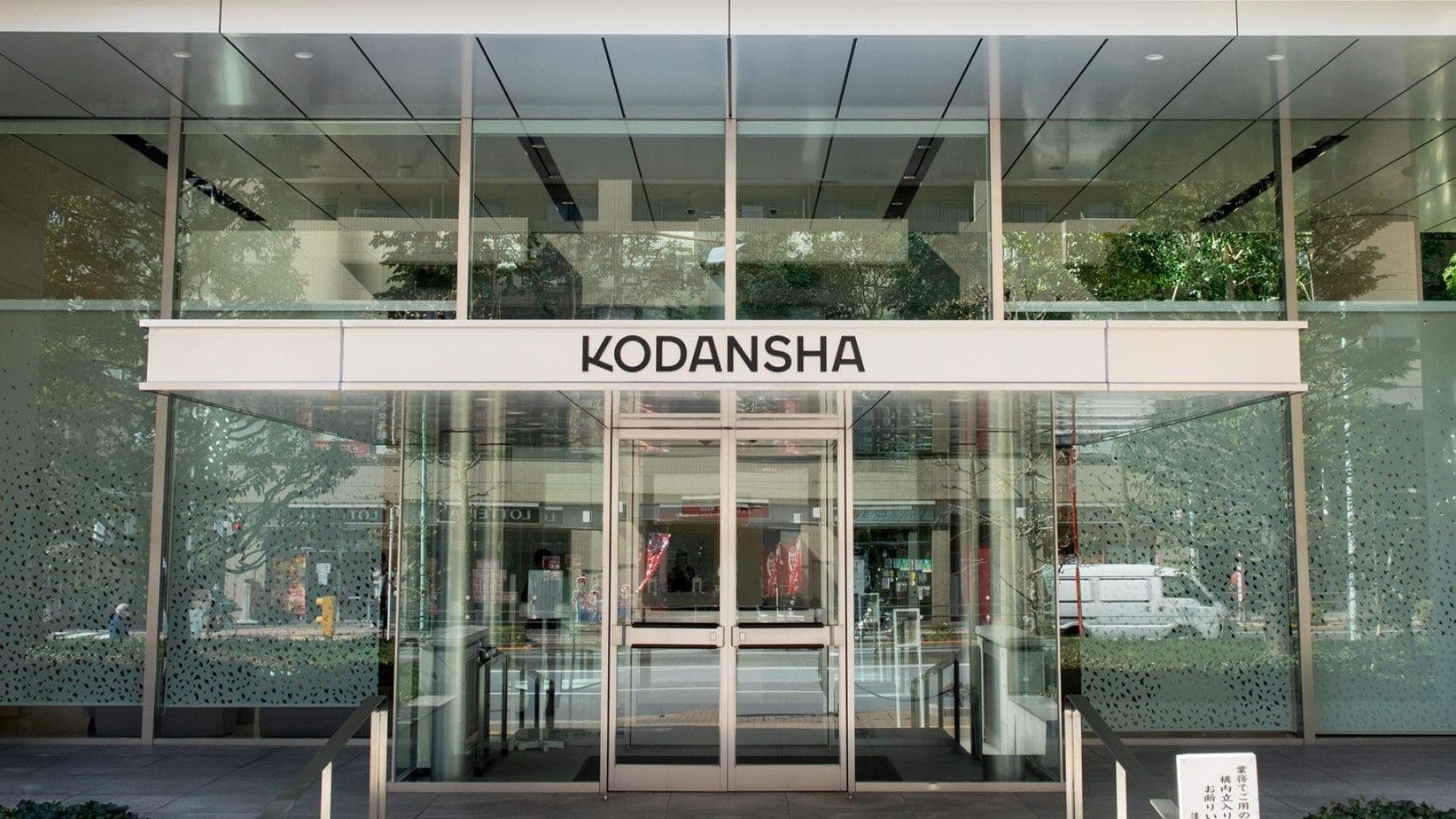
Navigating the American Manga Market: Kodansha USA CEO Alvin Lu's Strategic Vision

📷 Image source: static.animecorner.me
The American Manga Revolution
How Japanese Comics Transformed Western Reading Habits
When Alvin Lu assumed leadership of Kodansha USA, he inherited a publishing landscape fundamentally reshaped by Japanese manga. The American comic market, once dominated by superhero narratives and newspaper strips, has undergone a dramatic transformation over the past two decades. According to animecorner.me, Lu's perspective reveals how manga's unique storytelling approaches and diverse genres have captured the imagination of American readers who previously showed limited interest in graphic novels.
This cultural shift represents more than just commercial success—it signals a fundamental change in how Americans consume sequential art. Unlike traditional Western comics that often target specific demographics, manga spans every conceivable genre and age group. From romance and sports to horror and culinary adventures, this diversity has enabled manga to penetrate markets that Western comics struggled to reach. The format's right-to-left reading orientation, once considered a barrier, has become part of its distinctive appeal among American enthusiasts.
Strategic Localization Philosophy
Beyond Simple Translation
Alvin Lu's approach to bringing manga to American audiences extends far beyond linguistic translation. According to his interview with animecorner.me, localization involves careful cultural adaptation while preserving the original work's artistic integrity. This delicate balance requires understanding which cultural references need explanation and which can remain unchanged to maintain authenticity. The process involves teams who understand both Japanese culture and American reading preferences.
Kodansha USA's localization strategy includes thoughtful adaptations of sound effects, honorifics, and cultural context that might otherwise confuse Western readers. Rather than completely Americanizing content, Lu's team provides subtle contextual clues that help readers understand Japanese cultural nuances. This approach respects the original creators' vision while making the material accessible to international audiences. The company's success demonstrates that American readers appreciate authentic Japanese storytelling rather than heavily Westernized versions.
Digital Transformation Challenges
Adapting to Changing Reading Habits
The digital revolution has forced manga publishers to reconsider their distribution models. According to animecorner.me's coverage of Lu's insights, Kodansha USA faces the challenge of balancing physical book sales with growing digital consumption. American readers increasingly expect immediate access to new chapters through subscription services and digital platforms, creating tension with traditional print publication schedules. This shift requires constant adaptation of business models.
Digital platforms present both opportunities and threats to manga publishers. While they enable wider distribution and discovery of new titles, they also compress profit margins and change reader expectations about content pricing. Lu's leadership navigates these waters by developing hybrid approaches that serve both digital-native readers and collectors who prefer physical volumes. The company must also address piracy concerns that have historically plagued the manga industry, particularly for popular series that face delayed international releases.
Demographic Expansion Strategy
Beyond the Traditional Anime Fanbase
Under Alvin Lu's guidance, Kodansha USA has actively worked to expand manga's audience beyond its traditional core of anime enthusiasts. According to animecorner.me, the company targets readers who might never identify as anime fans but appreciate compelling storytelling and distinctive artwork. This strategy involves careful title selection and marketing approaches that highlight universal themes rather than focusing exclusively on Japanese cultural elements. The goal is positioning manga as simply great literature in graphic form.
This demographic expansion requires understanding different reading preferences across age groups and regions within the United States. Middle-grade readers, young adults, and mature audiences each respond to different genres and marketing approaches. Kodansha USA's publishing schedule reflects this segmented approach, with titles specifically curated for school libraries, general bookstores, and specialty comic shops. The company's success in reaching broader demographics demonstrates manga's potential to become a mainstream rather than niche category in American publishing.
Retail Partnership Dynamics
Navigating the American Bookselling Landscape
The American retail environment presents unique challenges for manga distribution that differ significantly from Japanese publishing models. According to animecorner.me's reporting on Lu's comments, Kodansha USA must maintain relationships with diverse retail partners ranging from massive online retailers to independent comic book stores. Each channel requires different approaches to marketing, inventory management, and promotional strategies. Big-box retailers demand different considerations than specialty shops that cater to dedicated manga enthusiasts.
Physical shelf space remains a precious commodity in American bookstores, requiring publishers to carefully select which titles receive prominent placement. Lu's team works closely with retailers to educate them about manga's sales potential and reader demographics. This educational component is crucial since many general book retailers initially approached manga as a niche category rather than a mainstream publishing segment. Successful retail partnerships have been instrumental in manga's growing visibility in general bookstores rather than being confined to specialty shops.
Creator Relations and Rights Management
Bridging Cultural and Business Practices
Managing relationships with Japanese creators involves navigating significant cultural and business practice differences. According to animecorner.me, Alvin Lu's position requires serving as a cultural intermediary between Kodansha's Japanese headquarters and the American market. This involves explaining American reader preferences to Japanese creators while ensuring their creative vision remains intact in international editions. The process requires sensitivity to both business realities and artistic integrity.
Rights management presents another layer of complexity in manga publishing. Unlike American comics where rights often reside with publishers, manga rights frequently remain with creators or their estates. This difference affects everything from digital distribution to spinoff opportunities. Lu's team must negotiate rights for various formats and territories while maintaining positive long-term relationships with creators. These relationships are crucial for securing popular titles and developing new properties specifically for international audiences.
Educational Market Development
Manga in Schools and Libraries
Kodansha USA under Alvin Lu's leadership has actively pursued opportunities in the educational market, recognizing manga's potential in school libraries and classrooms. According to animecorner.me, the company has developed resources to help educators understand how manga can support literacy development and engage reluctant readers. The visual nature of manga, combined with compelling storytelling, makes it particularly effective for reaching students who might avoid traditional text-heavy books.
Educational adoption requires careful title selection and sometimes content adaptation to meet school standards. While some manga contains content inappropriate for younger readers, many titles offer valuable literary experiences that align with educational goals. Historical manga can introduce students to different time periods, while sports manga often explores themes of perseverance and teamwork. Kodansha USA's outreach to educators represents a strategic investment in developing future manga readers while providing legitimate educational value.
Competitive Landscape Analysis
Manga Publishing in a Crowded Field
The American manga market has become increasingly competitive as both Japanese publishers and American companies expand their offerings. According to animecorner.me's coverage, Kodansha USA operates in a landscape that includes other Japanese publishers' American branches as well as independent publishers specializing in manga translation. This competition benefits readers through increased title variety but pressures publishers to secure the most desirable properties and develop effective marketing strategies.
Alvin Lu's leadership navigates this competitive environment by leveraging Kodansha's extensive Japanese catalog while also developing exclusive content for international audiences. The company must differentiate itself through quality of translation, production values, and marketing effectiveness. Competition extends beyond other manga publishers to include American graphic novels, webcomics, and other entertainment options competing for readers' time and attention. Success requires understanding manga's unique value proposition within this broader entertainment ecosystem.
Production and Supply Chain Considerations
The Physical Reality of Manga Publishing
Producing physical manga volumes for the American market involves complex supply chain considerations that differ from Japanese publishing. According to animecorner.me, factors like paper quality, binding methods, and printing specifications must balance cost considerations with reader expectations. American readers often expect larger trim sizes than standard Japanese tankōbon volumes, requiring adjustments to the original artwork and layout. These production decisions affect both the reading experience and profitability.
Supply chain management has become increasingly challenging with global disruptions affecting paper availability and shipping costs. Kodansha USA must forecast demand accurately to avoid both shortages that frustrate readers and overstock that strains storage capacity and capital. The company also faces decisions about which titles merit premium editions with special paper or binding, and which are better suited to standard mass-market production. These logistical considerations directly impact what readers ultimately find on bookstore shelves.
Future Vision and Industry Evolution
Where American Manga Goes Next
Looking toward the future, Alvin Lu envisions continued growth and evolution for manga in America. According to animecorner.me, this includes developing more original content created specifically for international audiences rather than simply translating existing Japanese works. Such initiatives represent a natural evolution as the market matures and readers develop more sophisticated tastes. The success of manga-inspired works by Western creators suggests potential for hybrid approaches that blend manga storytelling sensibilities with Western cultural references.
Technological changes will continue reshaping how readers discover and consume manga. Social media platforms have already transformed manga marketing, allowing publishers to connect directly with readers and gauge interest in potential licensing opportunities. As reading habits evolve, Kodansha USA must remain agile in adopting new distribution models while maintaining the quality and authenticity that attracted readers initially. The company's future success depends on balancing tradition with innovation in an increasingly dynamic publishing landscape.
Cultural Exchange Dimensions
Manga as Cross-Cultural Bridge
Beyond commercial considerations, manga serves as a significant vehicle for cultural exchange between Japan and the United States. According to animecorner.me's coverage of Lu's perspective, manga introduces American readers to Japanese social customs, values, and daily life in an accessible narrative format. This cultural education happens organically through storytelling rather than didactic explanation, making it particularly effective. Readers absorb cultural nuances while engaged with characters and plots.
This cultural exchange flows in both directions, as Japanese creators increasingly consider international audiences when developing new works. Some manga now includes elements specifically designed to appeal to Western readers or explanations of Japanese cultural practices that might confuse international audiences. This bidirectional influence represents manga's evolution from a purely Japanese art form to a truly global medium. Kodansha USA's role in this process involves facilitating understanding while preserving the authentic Japanese voice that defines manga.
Perspektif Pembaca
Your Experience with Manga
How has manga influenced your reading habits compared to traditional Western comics or graphic novels? Have you discovered Japanese cultural elements through manga that you later explored through other media or personal research?
What factors most influence your manga purchasing decisions: specific creators, genres, recommendations from friends, online reviews, or something else entirely? Do you prefer digital or physical editions, and how does that preference affect your reading experience and engagement with the material?
#MangaLocalization #KodanshaUSA #AmericanMangaMarket #DigitalPublishing #CulturalAdaptation


