

Timeless Anime Treasures: Seven Masterpieces That Deepen With Every Viewing

📷 Image source: comicbook.com
The Enduring Power of Anime Classics
Why Some Stories Only Reveal Their Depth Over Time
In an entertainment landscape saturated with fleeting trends and disposable content, certain anime creations possess an almost magical quality—they don't just withstand repeated viewings but actively improve with them. According to comicbook.com's analysis published on November 16, 2025, these aren't merely nostalgic artifacts but living works that continue to reveal new layers and meanings as audiences mature alongside them.
The phenomenon goes beyond simple nostalgia. These series embed such rich thematic complexity and technical craftsmanship that first viewings often capture only surface-level narratives. Subsequent encounters, particularly after life experiences that mirror characters' journeys, unlock deeper emotional resonance and philosophical undertones that initially went unnoticed.
Neon Genesis Evangelion's Psychological Depths
From Mecha Action to Human Trauma Exploration
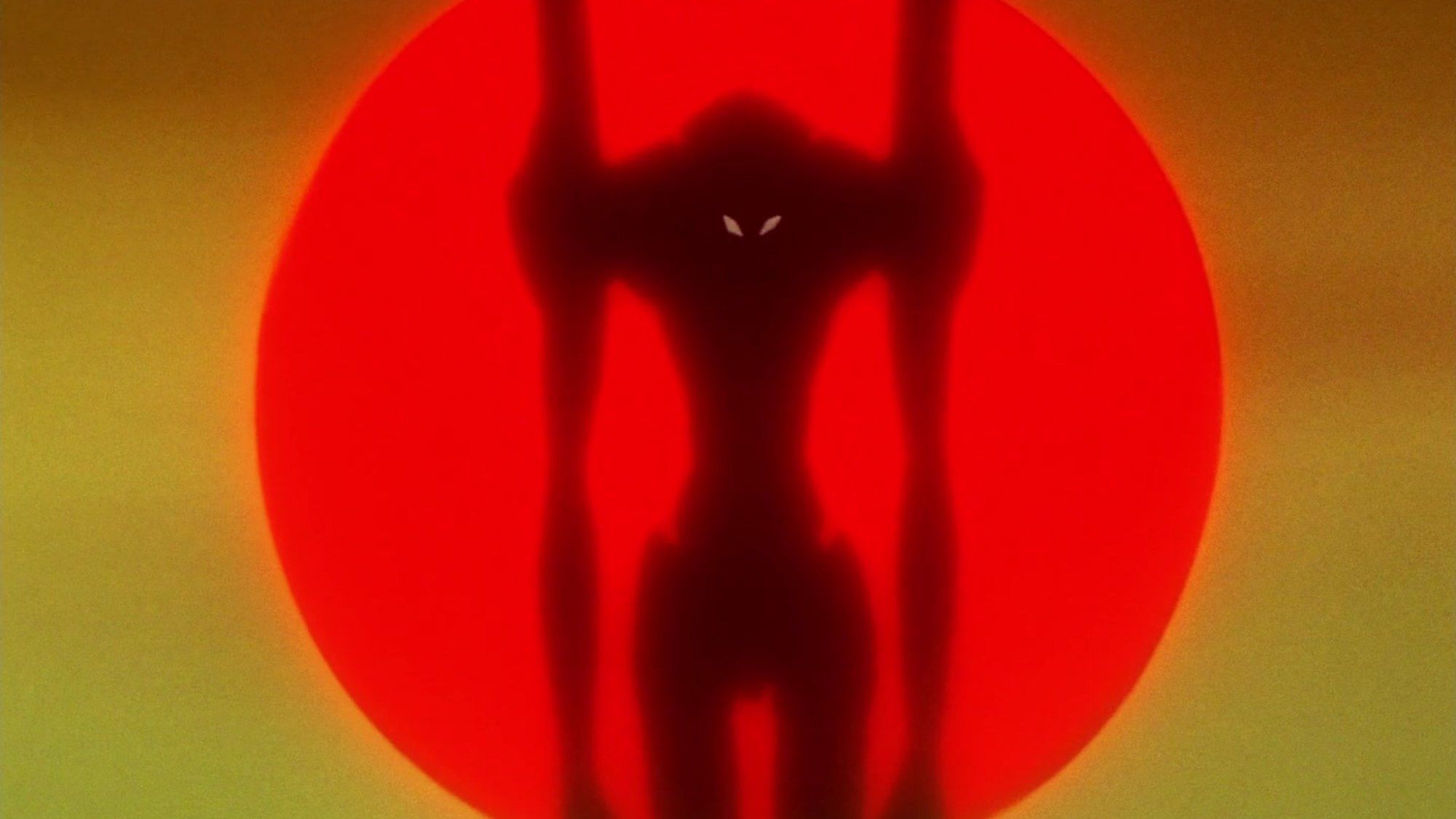
Hideaki Anno's groundbreaking 1995 series begins as a seemingly straightforward giant robot saga but gradually reveals itself as one of animation's most profound psychological studies. According to comicbook.com's assessment, the show's exploration of depression, isolation, and human connection becomes more impactful as viewers accumulate their own life experiences with these universal struggles.
The series' infamous finale episodes, which largely abandon conventional narrative for experimental psychological portrayal, often frustrate younger audiences seeking closure. For mature viewers, however, these segments transform into brave artistic statements about the fragmented nature of consciousness and the difficulty of genuine human understanding. The characters' emotional wounds and defensive mechanisms read differently after one has faced similar challenges in their own relationships and self-perception.
Cowboy Bebop's Jazz-Infused Melancholy
Style That Grows Substantial With Age
Shinichirō Watanabe's space western masterpiece initially captivates with its unparalleled style—the slick animation, Yoko Kanno's breathtaking jazz score, and fight choreography that still holds up decades later. Yet according to comicbook.com's analysis, it's the show's philosophical underpinnings about loneliness, regret, and the weight of past decisions that gain potency upon adult rewatches.
The episodic structure, which sometimes feels disjointed to younger viewers, reveals itself as a carefully constructed meditation on how people carry their histories like ghosts. Spike Spiegel's casual demeanor masks profound tragedy that resonates differently once viewers have experienced their own significant losses or contemplated roads not taken. The famous final words 'You're gonna carry that weight' transform from cool parting line to沉重 emotional truth as life accumulates its own burdens.
Revolutionary Girl Utena's Layered Symbolism
A Fairy Tale That Reveals Its Darker Truths Gradually
Kunihiko Ikuhara's 1997 avant-garde masterpiece operates on multiple simultaneous levels—surface narrative, psychological drama, and dense symbolic commentary on gender, power, and societal expectations. According to comicbook.com, first-time viewers often grasp the basic plot about a girl who wants to become a prince, while missing the intricate critique of patriarchal structures and toxic relationships embedded throughout.
The series' repetitive elements—the duel sequences, the shadow girl vignettes, the recurring imagery—initially feel like stylistic quirks. With maturity and repeated engagement, these patterns reveal themselves as carefully constructed commentary on how societal narratives and personal traumas replay until consciously broken. The show's surreal elements, confusing to younger audiences, become powerful metaphors for the irrational nature of desire and the difficulty of escaping prescribed roles.
Ghost in the Shell's Technological Prophecies
Philosophical Questions That Grow More Relevant
Mamoru Oshii's 1995 cinematic adaptation of Masamune Shirow's manga presented a visually stunning cyberpunk world that has only grown more prescient with time. According to comicbook.com's evaluation, the film's central question—what constitutes humanity when consciousness can be digitized and bodies become disposable shells—has evolved from speculative fiction to urgent philosophical inquiry as real-world technology advances.
The Major's journey toward understanding her own hybrid nature resonates differently in an era of social media personas, artificial intelligence, and increasingly blurred lines between biological and technological existence. Scenes that once felt like cool action sequences reveal deeper layers about identity fragmentation and the search for authenticity in a world where the self can be endlessly modified and performed.
Serial Experiments Lain's Networked Consciousness
Ahead of Its Time in Predicting Digital Reality
This 1998 psychological horror series initially baffled audiences with its abstract exploration of emerging technologies and shifting realities. According to comicbook.com's assessment, Lain's themes about the erosion between online and offline identities, the construction of digital personas, and the psychological impact of constant connectivity seemed almost absurdly futuristic upon release.
Today, in an era where social media platforms shape personal identity and augmented reality blurs environmental boundaries, Lain reads as startlingly prophetic. The show's depiction of the Wired—a global communication network that becomes an alternative reality—feels less like science fiction and more like exaggerated reflection of our current digital landscape. The protagonist's struggle to maintain a coherent self across multiple realities mirrors contemporary experiences of curating different identities across various online platforms.
Perfect Blue's Psychological Horror Evolution
From Thriller to Media Saturation Commentary
Satoshi Kon's 1997 feature film debut initially shocked audiences with its brutal depiction of a pop idol's mental unraveling. According to comicbook.com, the film's examination of celebrity culture, fan entitlement, and identity fragmentation has only intensified in relevance as social media has democratized and amplified these phenomena.
The protagonist's struggle to distinguish reality from performance, personal identity from public persona, once seemed like an extreme scenario. Now, in an age of influencer culture and carefully curated online identities, the film's central crisis feels increasingly universal. Kon's masterful editing, which seamlessly blends hallucination, performance, and reality, mirrors the contemporary experience of navigating multiple simultaneous identities across digital and physical spaces.
The Berserk Manga's Enduring Darkness
A Story That Demands Emotional Maturity
While Kentaro Miura's epic dark fantasy spans multiple adaptations, the manga itself represents perhaps the purest example of a work that reveals its depths through reader maturation. According to comicbook.com's analysis, the series' infamous Golden Age arc—particularly the Eclipse sequence—transforms from shocking violence to profound tragedy as readers develop greater understanding of trauma, betrayal, and resilience.
Guts' journey from revenge-driven rage to something approaching hard-won wisdom unfolds across decades of publication, mirroring how real human growth occurs gradually through accumulated experience. The series' unflinching portrayal of suffering and its occasional moments of genuine connection land differently after one has endured their own significant challenges and found meaning in small victories against overwhelming darkness.
Why These Works Continue to Resonate
The Ingredients of Truly Timeless Storytelling
According to comicbook.com's examination, these seven masterpieces share crucial qualities that enable their continued relevance: thematic richness that rewards multiple interpretations, technical craftsmanship that remains impressive regardless of technological advances, and emotional honesty that connects across generational divides.
Unlike works that rely on shock value or temporary cultural relevance, these series embed universal human concerns—identity, connection, mortality, meaning—within their specific narratives. They trust audiences to grow into their complexities rather than explaining everything immediately. This respectful approach to storytelling creates bonds that strengthen rather than fade, making each revisit feel less like repetition and more like continued conversation with an old friend who still has new things to say.
#AnimeClassics #TimelessAnime #DeepViewing #AnimeAnalysis #PsychologicalAnime


