

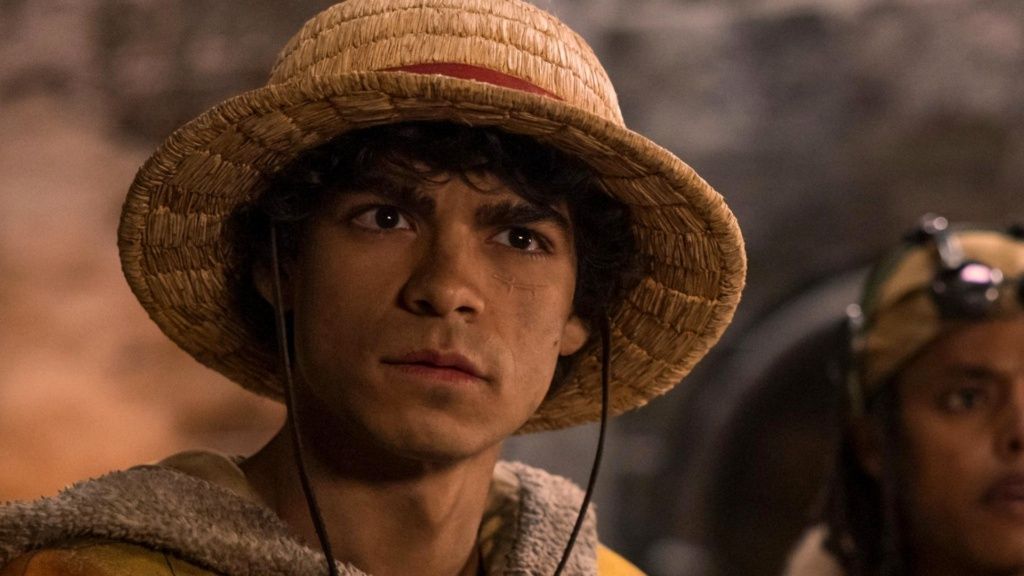
Netflix's One Piece Live-Action Season 2 Unveils New Trailer and Major Japanese Dub Casting

📷 Image source: static.animecorner.me
A New Voyage Begins: Netflix Drops Season 2 Trailer
First Major Look at the Alabasta Saga
Netflix has released the first full trailer for the highly anticipated second season of its live-action adaptation of Eiichiro Oda's 'One Piece.' The new footage, unveiled on December 21, 2025, offers fans a substantial look at the upcoming adaptation of the Arabasta (Alabasta) saga, a major story arc from the original manga and anime. According to animecorner.me, the trailer showcases new characters, locations, and the escalating conflict that will define the Straw Hat Pirates' next adventure.
The trailer confirms the introduction of key characters from the Arabasta narrative, including the enigmatic Princess Nefertari Vivi and the formidable Baroque Works agents. It also provides glimpses of the desert kingdom of Alabasta itself, a setting pivotal to the season's plot. The visual scope appears expanded from the first season, with more elaborate set pieces and effects work hinted at throughout the two-minute preview. This release marks the first major promotional push for the season, which does not yet have a confirmed premiere date.
Bridging Worlds: Original Anime Voice Actors Join the Dub
A Strategic Move for Fan Engagement
In a significant move for the Japanese audience and global purists, Netflix has confirmed that two iconic voice actors from the long-running 'One Piece' anime will reprise their roles for the Japanese dub of the live-action series' second season. Ikue Ōtani, the voice of Tony Tony Chopper since the anime's inception in 1999, will return to voice the beloved reindeer for his live-action debut. Similarly, Yuriko Yamaguchi, the voice of Nico Robin, will return to portray the archaeologist as she joins the crew.
This casting decision is a direct bridge between the anime's 25-year legacy and Netflix's new adaptation. It serves as a powerful nod to long-time fans, ensuring a core element of character identity remains consistent across mediums. For many Japanese viewers, Ōtani's and Yamaguchi's voices are inseparable from the characters themselves. Their involvement is a clear strategic effort to build trust and authenticity within the franchise's most dedicated fanbase, potentially mitigating skepticism about the live-action format.
The Chopper Conundrum: Bringing a CGI Mascot to Life
A Technical and Narrative Challenge
The introduction of Tony Tony Chopper represents the live-action series' most significant technical hurdle to date. Chopper is a small, anthropomorphic reindeer who consumed the Human-Human Fruit, a type of mystical Devil Fruit that granted him human intelligence and a hybrid form. In the anime and manga, he is a cute, emotive, and central crew member. Translating this character into a believable live-action/CGI hybrid is a monumental task that will heavily influence the season's reception.
Previous live-action adaptations of anime have often struggled with CGI mascot characters, with results ranging from acceptable to widely criticized. The challenge for Netflix's team is twofold: the character must be visually integrated seamlessly with the human actors and practical sets, and he must retain the emotional resonance that makes him a fan favorite. The decision to cast Ikue Ōtani is a crucial part of this equation, banking on her familiar vocal performance to anchor the character's personality regardless of the final visual effects.
Nico Robin's Entrance: A Turning Point for the Crew
Introducing the Darker Past
The second season will also mark the live-action debut of Nico Robin, introduced as the mysterious Miss All Sunday of Baroque Works. Her character arc is one of the most complex in the entire 'One Piece' narrative. Initially an antagonist with a shrouded past, she eventually becomes the crew's archaeologist, carrying the burden of knowing a forbidden history that makes her a target of the World Government.
Yuriko Yamaguchi's casting ensures that Robin's serene, yet deeply melancholic, vocal tone is preserved. This is critical for a character whose dialogue is often layered with double meaning and quiet despair. Her integration into the Straw Hat crew is a slower, more nuanced process than other members, requiring the live-action series to carefully balance plot momentum with character development. Her presence elevates the narrative stakes, directly connecting the crew's adventures to the larger, overarching mysteries of the 'One Piece' world.
The Alabasta Saga: A Global Stage for Conflict
From Sea-Faring to Nation-Saving
Season 2 is adapting the Arabasta saga, a narrative that significantly expands the scope of the 'One Piece' world. The story transitions from more isolated island adventures to a geopolitical conflict within a vast desert kingdom. The Straw Hats find themselves entangled in a civil war, manipulated by the secret organization Baroque Works. This arc introduces the Warlords of the Sea, powerful pirates sanctioned by the World Government, specifically Sir Crocodile.
This shift requires the production to depict large-scale battles, intricate political machinations, and the cultural identity of Alabasta. It tests the crew's unity and purpose, moving beyond personal dreams to the fate of an entire nation. The saga is often cited by fans as the point where the series' epic scale became fully apparent, making it a formidable but essential challenge for the live-action adaptation to convincingly portray.
The Global Live-Action Anime Landscape
Netflix's Bet in a Risky Genre
Netflix's 'One Piece' exists within a checkered history of Hollywood live-action anime adaptations. For decades, projects like 'Dragonball Evolution' and the 2009 'Speed Racer' were critical and commercial failures that alienated core fans. Netflix itself has had mixed results, with the 'Death Note' adaptation facing criticism while the 'Alice in Borderland' series (based on a manga) found success. The first season of 'One Piece' was a notable exception, widely praised for its fidelity to the source material's spirit.
The renewal for Season 2 and this high-profile trailer release indicate Netflix's continued confidence. The streaming giant is investing heavily in the genre, with other major franchises in development. The success or failure of 'One Piece' Season 2 could signal to the industry whether a consistent, quality-driven formula for adaptation has been found, or if the first season was a fortunate anomaly. The involvement of original voice actors is a tactic rarely seen in Western adaptations, suggesting a uniquely collaborative approach with the existing Japanese industry.
Production and Practical Effects: Scaling Up the Ambition
Building a Believable Grand Line
Moving from the East Blue settings of Season 1 to the grander, more diverse locales of the Alabasta saga demands a substantial increase in production scale. Logistically, creating the endless deserts, ancient ruins, and bustling ports of Alabasta requires extensive location shooting, large set construction, and enhanced visual effects. The first season was praised for its practical sets, like the Going Merry ship, which added tangible realism.
Maintaining this practical ethos while introducing more fantastical elements like Chopper, giant desert creatures, and Crocodile's Logia-type Devil Fruit powers (which allow him to transform into and control sand) is the core creative challenge. The trailer suggests a continuation of the hybrid practical-CGI approach, but the volume and complexity of effects shots will undoubtedly be higher. The production's ability to make these elements feel physically present alongside the actors will be key to maintaining the immersive world-building that defined the first season's success.
Cultural Specificity and Adaptation Fidelity
Balancing Global Appeal with Authenticity
Every live-action adaptation faces the dilemma of what to change, condense, or preserve. The 'One Piece' manga is deeply rooted in specific cultural and architectural inspirations; Alabasta, for instance, draws from ancient Egyptian and Middle Eastern aesthetics. The live-action series must respectfully and accurately realize these influences to maintain the story's unique texture, avoiding a generic fantasy look.
Furthermore, character dynamics and humor, which are often broad and cartoonish in the source material, must be translated into a live-action tone that feels natural without losing their essence. The first season managed this by focusing on the crew's found-family heart. Season 2 must do the same while weaving in more serious themes of rebellion, historical erasure (through Robin), and corruption. The casting of the original Japanese voice actors is itself a statement on the value of preserving authentic character voices amidst other potential changes.
Audience Expectations and the Weight of Legacy
Serving Two Masters
The audience for Season 2 is bifurcated: millions of existing 'One Piece' fans with encyclopedic knowledge of the plot, and new viewers who were introduced by Netflix's adaptation. The trailer and casting news are primarily aimed at the former group, reassuring them of the adaptation's commitment. However, the season's narrative must also stand alone, ensuring newcomers can follow the complex plot of Baroque Works, Alabasta's civil war, and the motivations of new characters like Vivi and Crocodile.
This balancing act is precarious. Over-explanation can bore dedicated fans, while under-explanation can confuse new audiences. The original anime's Alabasta saga spans over 50 episodes, a narrative volume that must be condensed into likely eight one-hour episodes. Decisions about which subplots, characters, and fights to include or omit will inevitably spark debate. The production team's demonstrated understanding of the source material in Season 1 has built goodwill, but the Alabasta saga is a more demanding test.
The Road Ahead: Implications for the Franchise
Beyond Season 2
The success of Season 2 is not just about this single chapter; it will determine the viability of adapting the entire, still-ongoing 'One Piece' saga. The story grows exponentially in scale and complexity after Alabasta, introducing more powerful factions, larger battles, and increasingly surreal islands. A successful Season 2 proves the model can scale and adapt longer, more intricate arcs, potentially green-lighting journeys to Skypiea, Water 7, and beyond.
Conversely, significant missteps could halt the live-action voyage prematurely. The investment in bringing Chopper and Robin to life, along with the sprawling Alabasta set pieces, represents a substantial financial commitment from Netflix. The streaming metrics and critical response will be scrutinized to see if the audience growth justifies the undoubtedly increased budget. This season is the crucial proof of concept that the live-action 'One Piece' is a sustainable long-term franchise, not a one-off novelty.
Perspektif Pembaca
The integration of original anime voice actors is a bold fusion of mediums. For long-time fans, does the involvement of Ikue Ōtani and Yuriko Yamaguchi make the live-action adaptation feel more authentic and legitimate to you, or do you view it as a separate entity regardless?
For viewers who started with the Netflix series, how important is the fidelity to the source material versus the show standing on its own creative merits? Does knowing certain characters or story beats are beloved in another medium heighten your anticipation, or do you prefer to judge the live-action version in isolation?
#OnePieceLiveAction #OnePieceSeason2 #Netflix #AnimeAdaptation #Arabasta


