

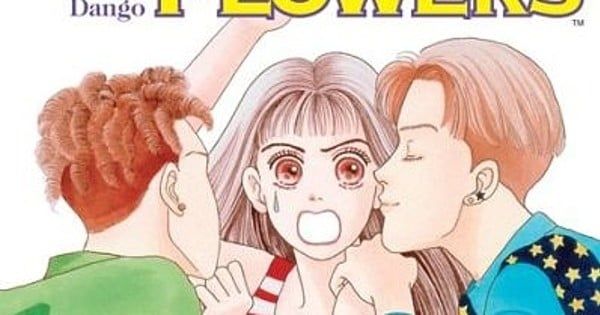
Takarazuka Revue Reimagines 'Boys Over Flowers' in New All-Female Stage Musical

📷 Image source: animenewsnetwork.com
A Classic Manga Returns to the Stage
Takarazuka's Signature Style Meets Shojo Royalty
The iconic shojo manga 'Boys Over Flowers' is poised for a lavish theatrical revival. According to animenewsnetwork.com, the legendary all-female Takarazuka Revue will produce a new stage musical adaptation of Yoko Kamio's beloved series. This announcement, made on December 12, 2025, marks the latest high-profile entry in the manga's extensive adaptation history, which includes anime, live-action dramas, and films across Asia.
The Takarazuka Revue, founded in 1914, is a unique Japanese theatrical institution where all roles, both male and female, are performed by women. Its productions are renowned for spectacular costumes, large-scale musical numbers, and a dedicated fanbase. The troupe's decision to tackle 'Boys Over Flowers,' a story centered on a poor girl navigating a school for the ultra-wealthy, promises a fusion of opulent spectacle and timeless romantic drama.
The Enduring Legacy of 'Boys Over Flowers'
From Manga Pages to Global Phenomenon
'Boys Over Flowers,' known in Japanese as 'Hana Yori Dango,' first serialized in 1992 and fundamentally shaped the modern shojo genre. The story follows Tsukushi Makino, a resilient middle-class student who transfers to the elite Eitoku Academy. There, she clashes with the 'F4,' a group of the school's most powerful and wealthy boys, led by the abrasive Tsukasa Domyoji. What begins as conflict slowly evolves into a complex romantic saga.
The manga's success spawned a multimedia empire. Its cultural impact is particularly profound in East Asia, where various live-action adaptations became generation-defining television events. A Taiwanese version in 2001, a Japanese series in 2005, a Korean iteration in 2009, and a Chinese remake in 2018 all achieved massive popularity, proving the story's adaptable core resonates across decades and borders.
Why Takarazuka is a Natural Fit
The Art of the 'Otokoyaku' and Theatrical Grandeur
The Takarazuka Revue's structure makes it uniquely suited for an adaptation of 'Boys Over Flowers.' Central to its appeal are the 'otokoyaku,' or male-role players—actresses who specialize in portraying male characters with a stylized, romanticized charm. This tradition allows for a fascinating reinterpretation of the F4, focusing on their charisma and presence as performed ideals rather than literal masculinity.
Furthermore, Takarazuka's aesthetic is built on grandeur. The extravagant lifestyles of the manga's characters, from lavish parties to elite school settings, can be realized through the troupe's signature elaborate sets and dazzling costume designs. The dramatic, often melodramatic, emotional beats of the source material align perfectly with Takarazuka's expressive, music-driven storytelling style, promising to heighten the story's inherent romance and conflict.
A History of Theatrical Adaptations
Takarazuka's Previous Foray and Broader Stage History
This will not be the first time the Takarazuka Revue has brought 'Boys Over Flowers' to life. The Snow Troupe previously staged a musical adaptation titled 'Hana Yori Dango' in 2015. The new production, as reported by animenewsnetwork.com, indicates a renewed interest and potentially a fresh creative interpretation a decade later, likely with a new cast and directorial vision.
Beyond Takarazuka, the property has seen other stage versions, including a Korean musical. This history demonstrates the story's inherent theatricality. Its clear character archetypes, intense emotional confrontations, and iconic scenes—like the famous rooftop confrontation—translate naturally to the stage, offering actors dramatic moments to showcase their range within a familiar narrative framework.
The Mechanics of a Takarazuka Production
How an All-Female Cast Builds a World
Creating a believable world with an all-female cast requires a highly codified and skilled approach. The 'otokoyaku' cultivate specific mannerisms, vocal modulation, and physicality to embody male roles. This is not an attempt at realism but rather the creation of a romantic or heroic ideal. The actresses playing female roles, the 'musumeyaku,' often emphasize femininity and grace in contrast. This dynamic is central to the troupe's appeal.
The production process involves rigorous training in singing, dancing, and acting within the Takarazuka style. Choreography for large ensemble numbers is a hallmark, and the adaptation will need to integrate such sequences organically into the story. The creative team faces the challenge of condensing a long manga narrative into a two-to-three-hour musical while preserving its key emotional arcs and ensuring ample showcase moments for both the principal F4 actors and the lead playing Tsukushi Makino.
Cultural Impact and Global Fandom
Bridging Shojo Manga and Theatrical Traditions
This adaptation represents a significant intersection of two major Japanese cultural exports: shojo manga and the Takarazuka Revue. It attracts not only existing Takarazuka fans, known for their fervent support, but also the global fanbase of 'Boys Over Flowers.' For international fans, it serves as a gateway to understanding a unique form of Japanese theater, potentially increasing global awareness and appreciation for Takarazuka's century-old art form.
Conversely, for traditional Takarazuka audiences, it introduces or reacquaints them with a definitive shojo narrative. The adaptation acts as a cultural dialogue, demonstrating how a modern pop culture story can be elevated through a classical theatrical lens. It also highlights the enduring power of stories about class disparity and personal integrity, themes that remain relevant in 'Boys Over Flowers.'
Comparative Analysis: Stage vs. Screen
The Unique Advantages of Live Performance
A Takarazuka musical offers a fundamentally different experience from the anime or live-action drama adaptations. Where screen versions can use close-ups and location shooting for intimacy and realism, the stage version trades that for immediacy and spectacle. The energy of live singing and dancing, the grandeur of the costumes under stage lights, and the direct connection between performer and audience create a unique emotional impact.
The stage format may also allow for a more symbolic or stylized interpretation of the story's settings, from Eitoku Academy to high-society events. Furthermore, the necessity of condensing the plot can lead to a sharper, more focused narrative that highlights the core relationship dynamics between Tsukushi and the F4, particularly her turbulent romance with Tsukasa Domyoji, in a concentrated, powerful form.
Potential Challenges and Creative Risks
Adapting a Known Entity for a Discerning Audience
The creative team faces inherent challenges. One is managing audience expectations, as fans have deeply ingrained images of the characters from other adaptations. The Takarazuka 'otokoyaku' interpretation of the F4 will inevitably be compared to the male actors from various television dramas. The production must establish its own authoritative version that respects the source while leveraging Takarazuka's specific strengths.
Another challenge is narrative compression. Deciding which subplots and supporting characters to include or exclude from the lengthy manga will be crucial. The adaptation must balance fan-favorite moments with the need for a cohesive theatrical flow. Additionally, the musical must compose a score that complements the story's emotional range—from comedic and lighthearted to intensely dramatic—while fitting the troupe's vocal and orchestral style.
The Broader Context of Manga on Stage
A Growing Trend of Theatrical Crossovers
The adaptation is part of a larger trend of popular manga and anime being adapted for the stage, known as '2.5-dimensional musicals.' These productions range from large-scale musicals like those for 'Naruto' or 'Sailor Moon' to more intimate plays. Takarazuka itself has a history of adapting literary and pop culture works, from 'The Rose of Versailles' to 'Gone with the Wind,' positioning 'Boys Over Flowers' within a rich tradition.
These adaptations serve multiple purposes: they extend the commercial lifecycle of a franchise, offer fans a new way to experience a beloved story, and draw new audiences to theater. For a traditional institution like Takarazuka, engaging with contemporary manga helps maintain cultural relevance and attracts younger audiences who may be unfamiliar with its century-long history, ensuring the art form's continuity.
Anticipating the Production
What Remains to Be Seen
As of the announcement on animenewsnetwork.com on 2025-12-12T19:30:00+00:00, key details about the new 'Boys Over Flowers' musical remain undisclosed. The specific Takarazuka troupe (such as Moon, Snow, Star, Cosmos, or Flower) that will perform it has not been announced, which influences the casting and directorial style. The premiere date, venue, and creative team—including the director, choreographer, and composer—are also pending future announcements.
These unknowns generate significant anticipation within fan communities. Speculation will focus on which top-star 'otokoyaku' will take on the coveted role of Tsukasa Domyoji, and how the production will visually distinguish itself from the 2015 version. The unveiling of these details will shape expectations and provide the first concrete vision of how this new iteration will honor and reinvent a classic.
Perspektif Pembaca
The fusion of a modern shojo classic with a century-old theatrical tradition invites diverse perspectives. Does the stylized, all-female format of Takarazuka offer a fresh, compelling way to explore the story's themes of love, class, and identity, or do you believe the essence of the F4's dynamic is inherently tied to being portrayed by male actors?
Furthermore, for fans familiar with other adaptations, what elements from the manga—a particular scene, character nuance, or emotional beat—do you feel is most crucial to capture in this musical format to do justice to the legacy of 'Boys Over Flowers'? Share your views on what makes this story endlessly adaptable.
#TakarazukaRevue #BoysOverFlowers #HanaYoriDango #StageMusical #ShojoManga


