

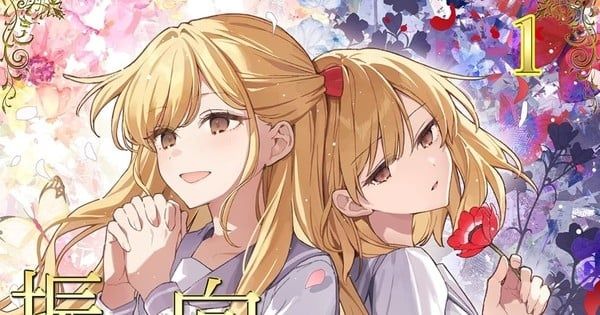
Beyond the Ballroom: Inori Announces Sequel Series to Groundbreaking 'I'm in Love with the Villainess' Yuri Novels

📷 Image source: animenewsnetwork.com
A New Chapter for Revolutionary Yuri
Author Inori Confirms Direct Sequel to Acclaimed Series
The landscape of yuri, a genre focusing on romantic relationships between women, is set to expand with a major announcement from author Inori. According to animenewsnetwork.com, Inori has officially begun writing a direct sequel series to the critically acclaimed light novel series 'I'm in Love with the Villainess' (Watashi no Oshi wa Akuyaku Reijō). The news, confirmed on January 13, 2026, marks a significant development for a franchise that has consistently pushed the boundaries of its genre by blending isekai fantasy with nuanced social commentary.
This sequel announcement comes after the completion of the original five-volume light novel series, which concluded its main storyline. The original work gained international recognition for its unique premise: office worker Rae Taylor is reborn as a commoner in an otome game world and deliberately pursues the game's antagonist, Claire François, instead of the male love interests. The series' exploration of class disparity, LGBTQ+ identity, and political revolution, all within a familiar fantasy romance framework, cultivated a dedicated global fanbase.
The Original's Lasting Impact
How a Single Series Redefined Expectations
'I'm in Love with the Villainess' distinguished itself by subverting multiple tropes simultaneously. While many isekai stories focus on power fantasy or heterosexual romance, Inori's narrative centered on a protagonist who was openly a lesbian in her previous life and remained so in the new world. This explicit representation was a deliberate and celebrated departure from the subtext-heavy approach historically common in yuri media. The story refused to shy away from the societal challenges its characters faced, weaving discussions of privilege and systemic inequality into its plot.
The series' success was not confined to print. It spawned a manga adaptation, a successful anime series, and a series of drama CDs. Its popularity demonstrated a substantial market for yuri stories with mature themes, complex world-building, and protagonists who actively challenged their settings. The franchise proved that stories centering on women loving women could sustain long-form narratives with wide appeal, moving beyond shorter, often tragedy-laden plots that once dominated the genre.
The Sequel's Promise and Unknowns
What We Know and What Remains a Mystery
The report from animenewsnetwork.com confirms the sequel is in active development but reveals few concrete details about its plot or setting. This intentional secrecy has sparked intense speculation within the fan community. The original series concluded with a definitive and satisfying resolution for its main couple, Rae and Claire, leaving readers to wonder where a new story could possibly begin. The sequel could follow them into a new phase of life, exploring the realities of building a lasting relationship after a revolutionary upheaval.
Alternatively, the narrative might shift focus to secondary characters introduced in the later volumes of the original series, such as the revolutionary leader Lily or the members of the Commoner's Party. Another possibility is a generational leap, exploring the world Rae and Claire helped reshape through the eyes of new characters. The lack of confirmed information means all these directions remain plausible, and Inori has provided no hints regarding the sequel's central conflict or thematic concerns beyond its existence.
A Genre in Flux
The Evolving Global Market for Yuri Narratives
The timing of this sequel is noteworthy within the broader context of the yuri genre's international evolution. Over the past decade, there has been a marked shift from narratives defined by ambiguity and tragic endings—often termed 'Class S'—toward stories featuring explicit confirmation of relationships and happier resolutions. 'I'm in Love with the Villainess' was a flagship title in this movement, and a sequel signals confidence in the longevity of this trend. Publishers are increasingly recognizing the commercial viability of series that treat queer relationships with the same narrative weight and genre-blending freedom as mainstream heterosexual stories.
Globally, the licensing and translation of yuri content have accelerated, with platforms like Seven Seas Entertainment's 'Bloom Into You' imprint and Yen Press actively curating catalogs. This sequel announcement is likely to trigger competitive interest from these publishers for English-language rights. The original series' success in Western markets, where discussions of representation are prominent, demonstrated that there is a significant, engaged audience for politically conscious yuri that does not compromise on romance or fantasy adventure.
The Creative Vision of Inori
An Author's Consistent Thematic Pursuits
Understanding the potential direction of the sequel requires examining Inori's established authorial fingerprints. Beyond romance, the original series was deeply concerned with mechanisms of social change. Rae used her knowledge from the modern world not for personal gain alone but to instigate a workers' revolution, challenging the nobility's divine right to rule. The narrative treated political theory and economic reform as integral to the character's journey, not merely as backdrop. This suggests any sequel will likely continue to engage with substantive ideological conflicts.
Furthermore, Inori displayed a consistent commitment to character agency. Claire's arc from a haughty noble to a self-aware revolutionary was as central as Rae's pursuit of her. Their relationship developed through mutual challenge and growth. A sequel, therefore, is unlikely to regress these characters or undermine their hard-won development. Instead, it will probably introduce new personal and societal hurdles that test the foundations of the world and the relationship they built, maintaining the balance of intimate character drama and large-scale stakes that defined the original.
Medium and Release Strategy
Anticipating the Format and Rollout
While the source material does not specify a format, the logical assumption is that the sequel will debut as a light novel series, following the path of the original. Light novels, typically aimed at young adult readers and featuring occasional interior illustrations, were the perfect vehicle for Inori's blend of dialogue-heavy character moments, internal monologue, and descriptive world-building. The involvement of illustrator Hanagata, who provided the distinctive character designs for the original novels, is currently unconfirmed but would provide strong visual continuity for returning readers.
The release schedule is another open question. The original five volumes were published over several years. A sequel could follow a similar multi-volume plan, allowing for a sprawling narrative, or it might be conceived as a more concise duology or trilogy. The announcement's early nature means fans may face a considerable wait between this confirmation and the first volume's publication. This gap will be filled with anticipation and analysis, as the community dissects any future teasers or promotional art released by the publisher, Ichijinsha's GL Bunko imprint.
Fan Reception and Speculation
Community Reactions and Hopeful Theories
Initial reactions from the international fan community, as observed on social media and forums, have been overwhelmingly positive but cautiously curious. The dominant sentiment is excitement tempered by a desire for the sequel to honor the conclusion of the original story without feeling unnecessary. Many fans express trust in Inori's vision, given the original series' strong finish, but acknowledge the inherent risk of extending a beloved narrative. Common hopes include seeing Rae and Claire navigate a more peaceful but politically complex world, and further development for the supporting cast who helped drive the revolution.
Specific fan theories circulating online imagine various premises: a story set years later focusing on educating the next generation, a new external threat to the reformed kingdom that requires the main couple's unique expertise, or even a narrative that explores the metaphysical rules of the isekai world itself. Some speculate about the potential for a 'reverse isekai' element, though there is no evidence to support this. The diversity of these theories highlights the rich foundation Inori built and the multitude of directions a skilled author could take from it.
Broader Cultural Implications
The Sequel's Role in Mainstreaming Queer Narratives
The decision to greenlight a sequel is not just a publishing milestone but a cultural indicator. It reflects a calculated belief in the ongoing commercial and critical appeal of a story with queer protagonists at its core. In an industry where follow-ups are often reserved for the most financially successful properties, this move signals that 'I'm in Love with the Villainess' is viewed as a cornerstone property with enduring value. It reinforces the idea that LGBTQ+ stories can be tentpole franchises, capable of sustaining multiple series and media adaptations.
This has a potential knock-on effect for the entire ecosystem. Success for this sequel could encourage publishers to invest in other original yuri works with similar ambition, fostering a more diverse and competitive field. It also contributes to the normalization of explicit queer relationships in mainstream anime and light novel marketing, moving them from a niche subgenre to a visible and integral part of the industry's offerings. The sequel, therefore, carries a weight of expectation beyond its own plot; it becomes a barometer for the genre's sustained viability.
Comparative Landscape
Where the Sequel Fits Among Contemporary Series
The sequel will enter a market that has grown more crowded with quality yuri and yuri-adjacent content since the original's debut. Series like 'The Magical Revolution of the Reincarnated Princess and the Genius Young Lady' and 'Otherside Picnic' have also blended fantasy or sci-fi settings with central queer relationships. However, 'I'm in Love with the Villainess' remains distinct for its overt political revolutionary theme and its protagonist's meta-awareness. The sequel's challenge will be to maintain this unique identity while evolving in a landscape it helped shape.
Internationally, the series will also be compared to Western-produced progressive fantasy and romance comics and novels that explore similar themes of social justice and queer love. This global context raises the stakes for the sequel's narrative depth. Readers now have access to a wide array of stories from different cultural perspectives, meaning the sequel must leverage its specific Japanese light novel format and cultural touchpoints to offer something that feels both authentic and freshly engaging, rather than retreading now-common ground.
Potential Narrative Risks and Rewards
The Delicate Balance of Continuing a Beloved Story
Extending any completed story involves inherent creative risks. The primary danger is undermining the original's ending, which provided closure for Rae and Claire's central romantic arc and the kingdom's political transformation. A sequel that introduces excessive new drama could feel like a regression, invalidating the characters' prior growth. Conversely, a story set in a period of total peace might lack the narrative tension that drove the original. Inori must find a new source of conflict that feels organic and challenging without dismantling the happy ending fans cherished.
The potential rewards, however, are substantial. A successful sequel can deepen the lore of the setting, explore the long-term consequences of revolution, and depict a mature, established queer relationship—a rarity in many genres. It can show Rae and Claire as partners building a life together, dealing with administrative challenges, personal doubts, and the mundane realities of love after the grand adventure. This move from courtship to commitment could provide a powerful and relatable new chapter, offering representation for lasting queer partnerships and exploring themes of legacy, governance, and daily resilience.
The Road to Publication
What Comes Next After the Announcement
Following the initial announcement reported by animenewsnetwork.com, the next steps will involve a waiting period while Inori drafts the manuscript. The publishing process for light novels typically involves writing, editing, illustration commissioning, and printing, which can take many months. Fans should anticipate future news drops that may include the sequel's official title, cover art reveals, a preview excerpt, and finally, a concrete publication date. These milestones will be crucial for gauging the sequel's tone and direction.
Concurrently, the announcement is likely to spur renewed interest in the existing franchise. Publishers may reissue the original novels with new covers, and streaming services might promote the anime adaptation more prominently. This synergistic effect demonstrates the commercial logic behind the sequel: it revitalizes the entire intellectual property. For new readers, it presents an opportunity to dive into a completed series with the promise of more to come, while long-time fans are given a new horizon to anticipate, ensuring the world of 'I'm in Love with the Villainess' remains vibrant and discussed for years to come.
Perspektif Pembaca
The announcement of a sequel to 'I'm in Love with the Villainess' opens a dialogue about what we hope to see in the next chapter of groundbreaking stories. With the original series having made such a definitive mark by intertwining personal queer romance with societal revolution, the direction of the new narrative feels particularly significant.
What aspect of the world or its characters do you believe holds the most potential for a compelling new story? Do you hope the sequel focuses primarily on Rae and Claire navigating the complexities of their hard-won peace and relationship, or would you prefer the narrative to expand its scope, perhaps following a new generation or diving deeper into the political mechanics of the reformed kingdom? Share your perspective on what a meaningful continuation should explore.
#ImInLoveWithTheVillainess #Yuri #LightNovel #Sequel #Inori


