

Beyond the Battles: A Decade of Serenity, Laughter, and Heart in 2010s Non-Action Anime

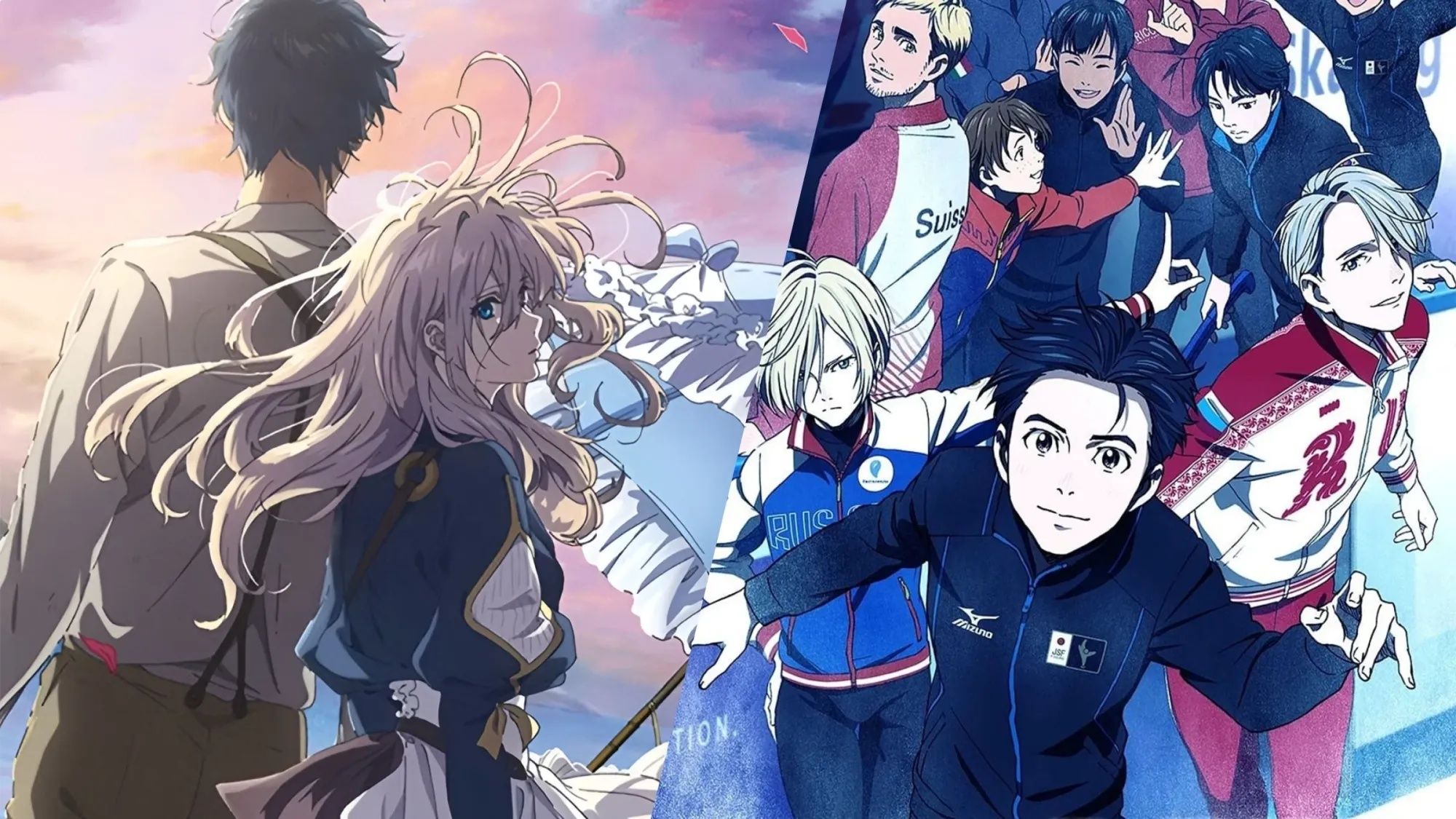
📷 Image source: comicbook.com
Introduction: The Quiet Revolution of a Decade
Redefining Anime Beyond Clashing Swords and Fiery Blasts
When global audiences think of anime, images of high-octane battles, supernatural powers, and mecha clashes often dominate. However, the 2010s witnessed a profound and quiet revolution in storytelling that resonated far beyond these traditional action tropes. This decade saw a flourishing of series that prioritized emotional depth, intricate character studies, and the subtle beauty of everyday life, offering a perfect gateway for newcomers to the medium.
According to a list published by comicbook.com on 2026-01-19T02:30:18+00:00, the best non-action anime of the 2010s succeeded by mastering the art of connection. These series proved that compelling narratives could be built from the raw materials of human relationships, personal growth, and quiet introspection, creating stories with universal appeal that required no prior knowledge of anime conventions or lore.
The Slice-of-Life Sanctuary: Finding Drama in the Everyday
How Mundane Moments Forged Profound Connections
A dominant and beloved genre of the era was slice-of-life, a term for anime that focuses on the realistic, often mundane experiences of its characters rather than epic plots. Series like 'Hyouka' and 'March Comes in Like a Lion' exemplified this approach, turning seemingly ordinary settings—a high school classic literature club and the professional shogi scene, respectively—into landscapes of intense personal discovery. The drama emerged not from external threats, but from internal conflicts, social anxieties, and the slow, painful process of healing.
This focus on the everyday provided a low barrier to entry for beginners. Viewers didn't need to understand complex power systems or fictional histories; they only needed to recognize the universal feelings of loneliness, ambition, or the search for purpose. The animation studios, such as Kyoto Animation with 'Hyouka' and Shaft with 'March Comes in Like a Lion', used their visual artistry not for explosive effects, but to convey subtle shifts in mood, memory, and emotion, making the internal world of the characters vividly external.
The Healing Power of Iyashikei: Anime as Comfort Food
A Subgenre Designed to Soothe the Soul
Closely linked to slice-of-life is the 'iyashikei' genre, a Japanese term meaning 'healing'. These series are explicitly crafted to offer relaxation, comfort, and a sense of peace to the viewer. 'Flying Witch' and 'Non Non Biyori', both highlighted in the comicbook.com list, are quintessential examples. They transport audiences to idyllic, often rural settings where the pace of life slows, and the primary conflicts involve harvesting vegetables, encountering gentle magical creatures, or simply enjoying the changing seasons.
The global appeal of iyashikei speaks to a universal need for respite. In an increasingly fast-paced and digitally saturated world, these anime function as a form of visual therapy. They provide a safe, predictable, and warmly animated space where kindness is the default and community is central. For a beginner, they dismantle the misconception that anime is inherently intense or violent, showcasing instead its capacity for profound gentleness and its celebration of life's simple, quiet pleasures.
Character Over Plot: The Engine of Emotional Investment
Why We Remember People, Not Just Events
The enduring success of these non-action series hinges almost entirely on character writing. Without world-ending stakes to drive the narrative, the burden falls on creating individuals who feel authentic, flawed, and deeply human. A show like 'Shouwa Genroku Rakugo Shinjuu' spends its entire first season delving into the tragic backstory and complex rivalry of two rakugo (a form of Japanese verbal storytelling) performers. The plot is their lives, and the audience's investment is in their artistic passions, personal failures, and entangled fates.
This character-centric approach fosters a different type of engagement. Viewers become attached not to a character's power level, but to their personality, their growth, and their relationships. It mirrors the way we connect with people in real life, making the emotional payoffs—a moment of understanding, a hard-won smile, a reconciliation—feel earned and profoundly impactful. This method of storytelling is a masterclass in writing that transcends cultural and medium-specific boundaries, offering a direct line to the heart of any viewer, regardless of their familiarity with anime.
The Art of Visual Storytelling: Where Atmosphere Reigns
How Animation Breathes Life into Stillness
In the absence of dynamic fight choreography, the animation in these series serves a more nuanced purpose: building atmosphere and conveying interiority. A series like 'Mushishi,' which continued into the 2010s with its second season, is a masterpiece of ambient storytelling. Its visuals are lush, haunting, and slow-paced, perfectly mirroring the show's tone of wandering through a world filled with mysterious, ethereal creatures known as Mushi. The beauty of a forest, the play of light through leaves, and the quiet expressions of its protagonist are the primary visual attractions.
Similarly, 'The Garden of Words,' a film by Makoto Shinkai, demonstrates how hyper-detailed background art and obsessive attention to natural phenomena—rain, light, foliage—can become the story's emotional core. The environment is not just a setting; it is a reflection of the characters' inner states. This emphasis on aesthetic composition and environmental storytelling invites viewers to pause and absorb the frame, appreciating animation as a pure art form capable of evoking mood and feeling without a single word of dialogue or action sequence.
Comedy as a Vehicle for Heart: More Than Just Gags
Laughter That Builds Community and Reveals Character
The 2010s also excelled in comedy that was deeply intertwined with warmth and character development. 'Daily Lives of High School Boys' and 'Nichijou - My Ordinary Life' offered wildly different but equally effective comedic blueprints. The former relied on absurdist, relatable sketches about teenage boyhood, while the latter deployed surreal, over-the-top animation for its gags. Crucially, the humor in both stemmed from the established personalities of their casts, making the laughter feel organic.
More significantly, many comedies of the decade, like 'Barakamon,' used humor as a pathway to deeper themes. The story of a calligrapher finding his inspiration in a rural community is filled with funny interactions with local children. These comedic moments gradually break down the protagonist's urban stiffness, leading to genuine growth and heartfelt connections. This blend ensures the series is not just a string of jokes, but a cohesive narrative where laughter facilitates healing and community integration, a structure that resonates with universal human experiences of adaptation and finding one's place.
Dramatic Depth: Exploring Trauma, Love, and Identity
Tackling Heavy Themes Without a Single Punch
The non-action arena allowed for unflinching exploration of serious psychological and social themes. 'March Comes in Like a Lion' is a profound study of depression, grief, and the slow process of building a support network. 'Shouwa Genroku Rakugo Shinjuu' delves into obsession, legacy, and the cost of artistic devotion. These series handle their weighty subject matter with patience and nuance, avoiding simplistic solutions and allowing their characters to sit with their pain.
This narrative courage provides a counterpoint to the often escapist nature of action genres. It positions anime as a medium capable of mature, literary storytelling that can grapple with the complexities of the human condition. For a global audience, it demonstrates that Japanese animation is not a monolithic entity focused solely on fantasy, but a diverse ecosystem that can produce works as psychologically intricate as any acclaimed live-action drama or novel, thereby broadening the medium's perceived legitimacy and appeal.
A Gateway for Global Beginners: Why These Series Work
Low Barrier, High Emotional Reward
The comicbook.com list positions these titles as ideal for beginners, and this assessment is rooted in their accessibility. The primary entry points for new anime viewers are often the most visually spectacular or culturally ubiquitous action series, which can come with dense mythology and tropes that require acclimation. Non-action series from the 2010s circumvent this entirely. Their premises are immediately graspable: a girl runs a family coffee shop in 'Is the Order a Rabbit?', a group of friends makes a film in 'Hyouka'.
This immediate relatability lowers the initial hurdle. The viewer is not tasked with learning rules; they are invited to recognize feelings. The cultural specifics—whether it's rakugo, shogi, or rural Japanese life—are presented as fascinating facets of the setting to be explored, not as prerequisite knowledge. The emotional core is universal, making the transition from any other form of serialized storytelling seamless. The success of these series on global streaming platforms underscores their borderless appeal.
The Studio Signature: How Animation Houses Found Their Voice
Kyoto Animation, Shaft, and the Craft of Quiet
The quality of this decade's non-action output is inextricably linked to the studios that specialized in it. Kyoto Animation (KyoAni) became synonymous with exquisite character animation, detailed environmental art, and emotionally resonant storytelling, as seen in 'Hyouka,' 'Sound! Euphonium,' and the film 'A Silent Voice.' Their technical prowess was deployed to capture the flicker of an emotion across a face or the golden-hour light in a school hallway, proving that sakuga (high-quality animation moments) could be found in a conversation, not just a combat sequence.
Studio Shaft, under the direction of Akiyuki Shinbo, developed a distinct, avant-garde style for series like 'March Comes in Like a Lion' and the 'Monogatari' franchise (which blends genres). Their use of surreal imagery, rapid cuts, and symbolic inserts became a language for expressing psychological states and abstract thoughts. This period showed that studios could build formidable reputations and passionate fanbases not through action spectacle, but through unique directorial vision and a commitment to emotional and artistic authenticity.
Legacy and Influence: Shaping the 2020s and Beyond
The Lasting Ripple Effect of a Quiet Decade
The impact of the 2010s non-action renaissance is clearly visible in the anime landscape of the 2020s. The commercial and critical success of these series proved there was a massive, sustained audience for character-driven, calm, and thoughtful content. This paved the way for the continued success of iyashikei like 'Deaimon' and 'Super Cub,' and deeply emotional dramas like 'Fruits Basket' (2019-2021 remake). It expanded the industry's understanding of what a 'hit' anime could be.
Furthermore, it raised the global audience's expectations for writing and character depth across all genres. It demonstrated that animation could be a vehicle for any story, no matter how intimate. The decade's output serves as a permanent library of masterclasses in storytelling, reminding creators and viewers alike that sometimes the most epic journey is the one that happens within a person's heart or between a small group of friends, a legacy that continues to enrich the medium.
Perspektif Pembaca
The appeal of non-action anime often lies in its personal resonance. Different stories connect with different people based on their own life experiences and emotional needs.
Which of these narrative approaches from the 2010s non-action era do you find most compelling or necessary in today's media landscape, and why? Is it the soothing comfort of iyashikei, the character-driven drama of slice-of-life, the psychological depth of serious drama, or the heartwarming community of character-based comedy? Share your perspective on which style you believe holds the most value for viewers now.
#NonActionAnime #SliceOfLife #Iyashikei #2010sAnime #AnimeForBeginners


